Top AI Features Revolutionizing Drone Technology Today
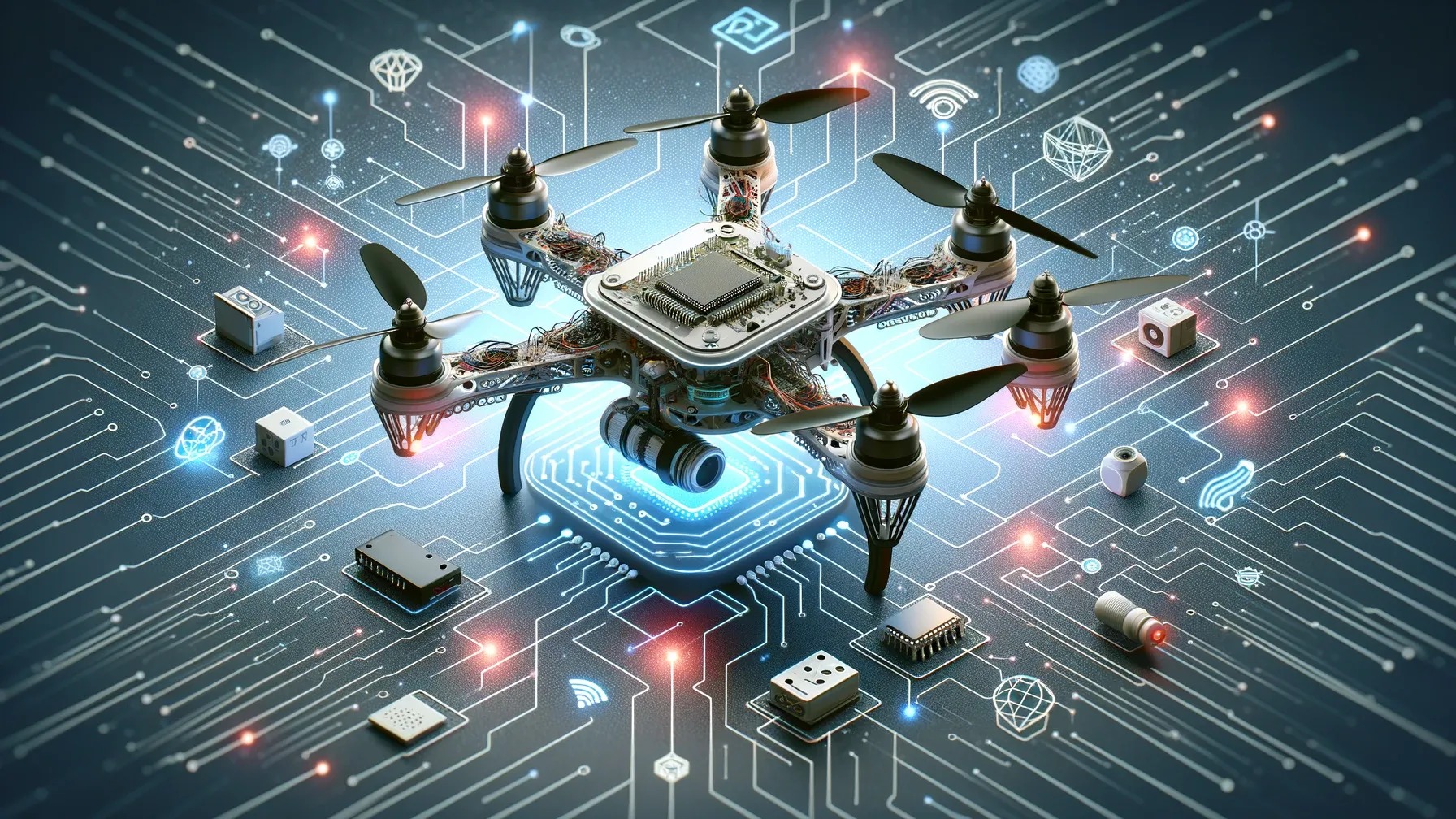
In recent years, the advancement of drone technology has been nothing short of revolutionary. Drones, once seen primarily as tools for hobbyists and military applications, are now integral to various industries, including agriculture, logistics, surveillance, and filmmaking. A significant driver of this transformation is the integration of Artificial Intelligence (AI) into drone technology. AI has enabled drones to perform complex tasks autonomously, improving efficiency, safety, and operational capabilities. This article delves into the top AI features that are currently revolutionizing drone technology.
Autonomous Navigation and Obstacle Avoidance
One of the most critical capabilities AI brings to drones is autonomous navigation. Traditionally, drones required a human operator to manually control their flight paths, which limited their operational range and efficiency. With AI, drones can now navigate complex environments independently. Using sophisticated algorithms, drones can interpret data from onboard sensors, such as cameras, LiDAR, and GPS, to map their surroundings and determine the optimal path to their destination.
Obstacle avoidance is a crucial aspect of autonomous navigation. AI-driven drones use real-time data processing to detect and avoid obstacles, such as trees, buildings, and other drones, during flight. Machine learning algorithms allow drones to learn from past experiences, continuously improving their ability to navigate safely. This capability is particularly beneficial for applications in urban environments or areas with many obstacles.
Enhanced Data Processing and Analysis
Drones equipped with AI can collect vast amounts of data, but the real value lies in the ability to process and analyze this data efficiently. AI algorithms enable drones to process data in real-time, making it possible to derive actionable insights on the fly. For instance, in agriculture, AI-powered drones can analyze crop health data, identify areas requiring attention, and even predict yields with high accuracy.
In the realm of surveillance and security, AI-enhanced drones can identify unusual patterns or behaviors, offering advanced threat detection capabilities. The ability to process video feeds in real-time allows these drones to provide immediate alerts to relevant authorities, significantly enhancing security measures.
Precision and Accuracy in Applications
AI significantly enhances the precision and accuracy of drone operations. In applications like aerial mapping and surveying, AI algorithms process sensor data to create highly accurate 3D maps and models. These high-fidelity models are invaluable for construction, mining, and environmental monitoring, where precise data is crucial for decision-making.
In precision agriculture, AI-driven drones can identify specific areas of a field that require watering, fertilization, or pest control, allowing for targeted interventions that conserve resources and reduce environmental impact. This precision not only improves crop yields but also supports sustainable farming practices.
AI-Driven Delivery Systems
One of the most promising applications of AI in drone technology is in the field of delivery systems. Companies like Amazon and Google have been experimenting with drone delivery services that leverage AI to optimize flight paths, manage fleets, and ensure timely deliveries. AI algorithms can analyze factors such as weather conditions, air traffic, and delivery urgency to determine the most efficient routes.
Furthermore, AI enhances the safety and reliability of these delivery systems. Drones can make autonomous decisions to reroute in case of obstacles or adverse weather conditions, ensuring that packages are delivered safely and on time. As regulatory frameworks evolve, AI-powered delivery drones are likely to become a common sight in urban and rural areas alike.
Swarm Intelligence
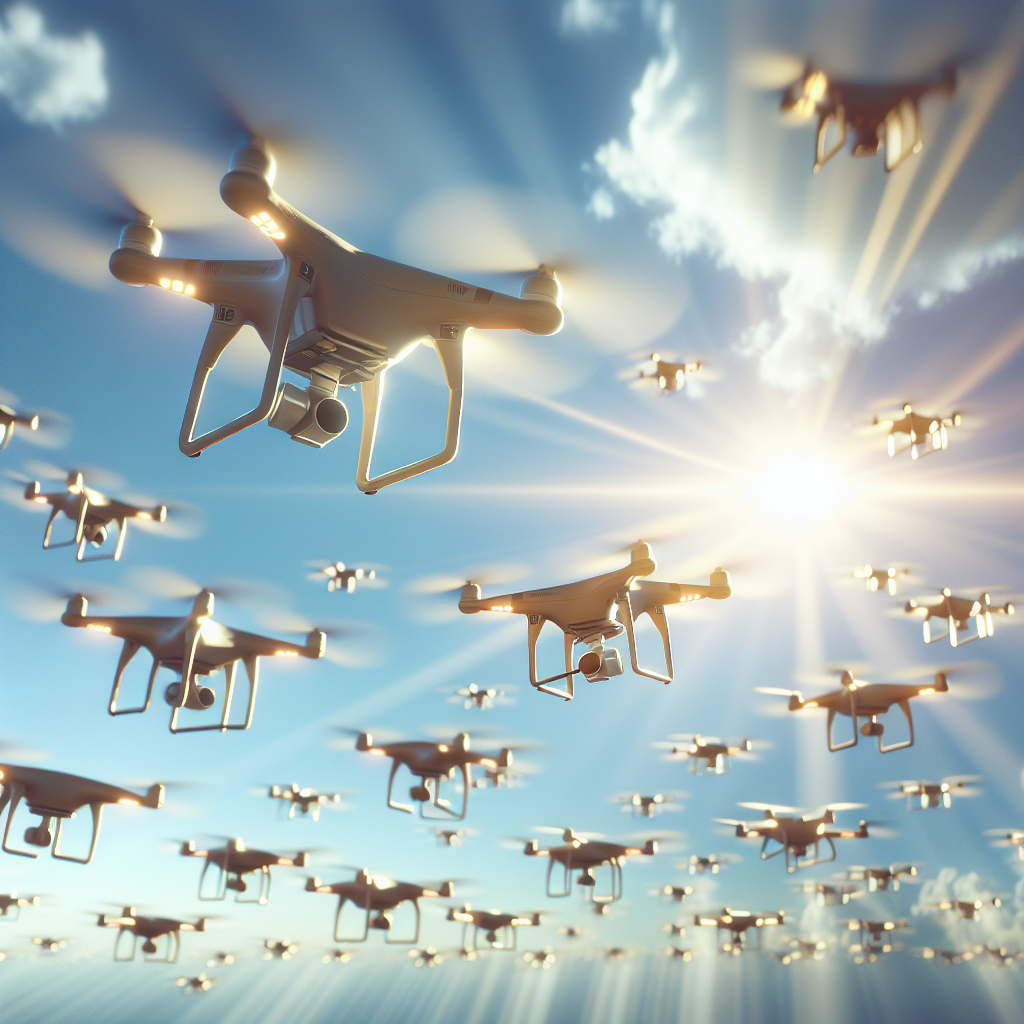
Swarm intelligence is an emerging field in drone technology, where multiple drones work together in a coordinated manner to achieve a common goal. This concept is heavily reliant on AI, as it requires complex algorithms to manage the communication and coordination between drones in real-time.
Swarm intelligence has numerous practical applications, from search and rescue missions to large-scale agricultural monitoring. In disaster-stricken areas, a swarm of drones can cover vast territories quickly, identifying survivors and assessing damage more efficiently than traditional methods. Similarly, in agriculture, swarms can monitor large fields, collecting data simultaneously to provide comprehensive insights.
Predictive Maintenance and Self-Diagnosis
AI is also transforming the way maintenance is performed on drones. Predictive maintenance uses AI algorithms to analyze data from various sensors on the drone, predicting potential failures before they occur. This proactive approach helps in reducing downtime and extending the lifespan of drones.
Self-diagnosis capabilities enabled by AI allow drones to identify and rectify minor issues autonomously. For instance, if a drone’s sensor detects a minor imbalance, it can make real-time adjustments to its flight parameters to maintain stability. These features reduce the need for human intervention, ensuring drones remain operational for longer periods.
Advanced Object Recognition and Tracking
The integration of AI has significantly advanced the object recognition and tracking capabilities of drones. Using computer vision and machine learning, drones can identify and track objects with high accuracy. This capability is particularly useful in industries like wildlife conservation, where drones can monitor the movement of animals without disturbing their natural habitat.
In security and surveillance, AI-powered drones can recognize faces, license plates, and other identifying features, providing valuable data to law enforcement agencies. These drones can track suspects or vehicles over long distances, offering a powerful tool for crime prevention and investigation.
Conclusion
The integration of AI into drone technology is unlocking new possibilities across various sectors. From autonomous navigation and obstacle avoidance to advanced data processing and predictive maintenance, AI is revolutionizing how drones operate and interact with their environment. As AI technology continues to evolve, we can expect even more innovative features that will further enhance drone capabilities, making them indispensable tools in industries ranging from agriculture to logistics and beyond.
The future of drone technology is undoubtedly exciting, and AI will play a central role in shaping it. By continuing to harness the power of AI, we can look forward to a new era where drones are safer, more efficient, and more capable than ever before.
Share this content:


Post Comment