Mastering Drone Angles for Stunning Aerial Shots
The advent of drone technology has revolutionized the field of aerial photography and videography. Drones offer photographers and videographers unparalleled access to perspectives that were once reserved for those with access to helicopters or airplanes. However, to truly capture breathtaking aerial shots, one must master the art of drone angles. In this article, we will explore various techniques and angles that can elevate your aerial photography to new heights.
Understanding Your Drone’s Capabilities
Before diving into the different angles and techniques, it’s essential to have a solid understanding of your drone’s capabilities. Different drones have varying camera qualities, stabilization features, and flight times. Familiarizing yourself with your drone’s specifications will enable you to make informed decisions when planning your shots. Ensure your drone’s camera settings are optimized for the conditions you will be shooting in, and always keep your firmware updated for the best performance.
Basic Drone Photography Principles
Like any form of photography, drone photography is governed by certain principles. Understanding composition, lighting, and timing are crucial for capturing stunning aerial shots. Composition involves arranging the elements within your frame to create a balanced and aesthetically pleasing image. Lighting can drastically change the mood and tone of your photograph, while timing is key to capturing the perfect moment.
The Importance of Angle
The angle at which a photograph is taken can dramatically alter its impact. In aerial photography, the angle is even more significant because it defines the relationship between the subject, the horizon, and the surrounding environment. Mastering drone angles involves experimenting with different perspectives to find the most compelling view of your subject.
Top-Down Shots
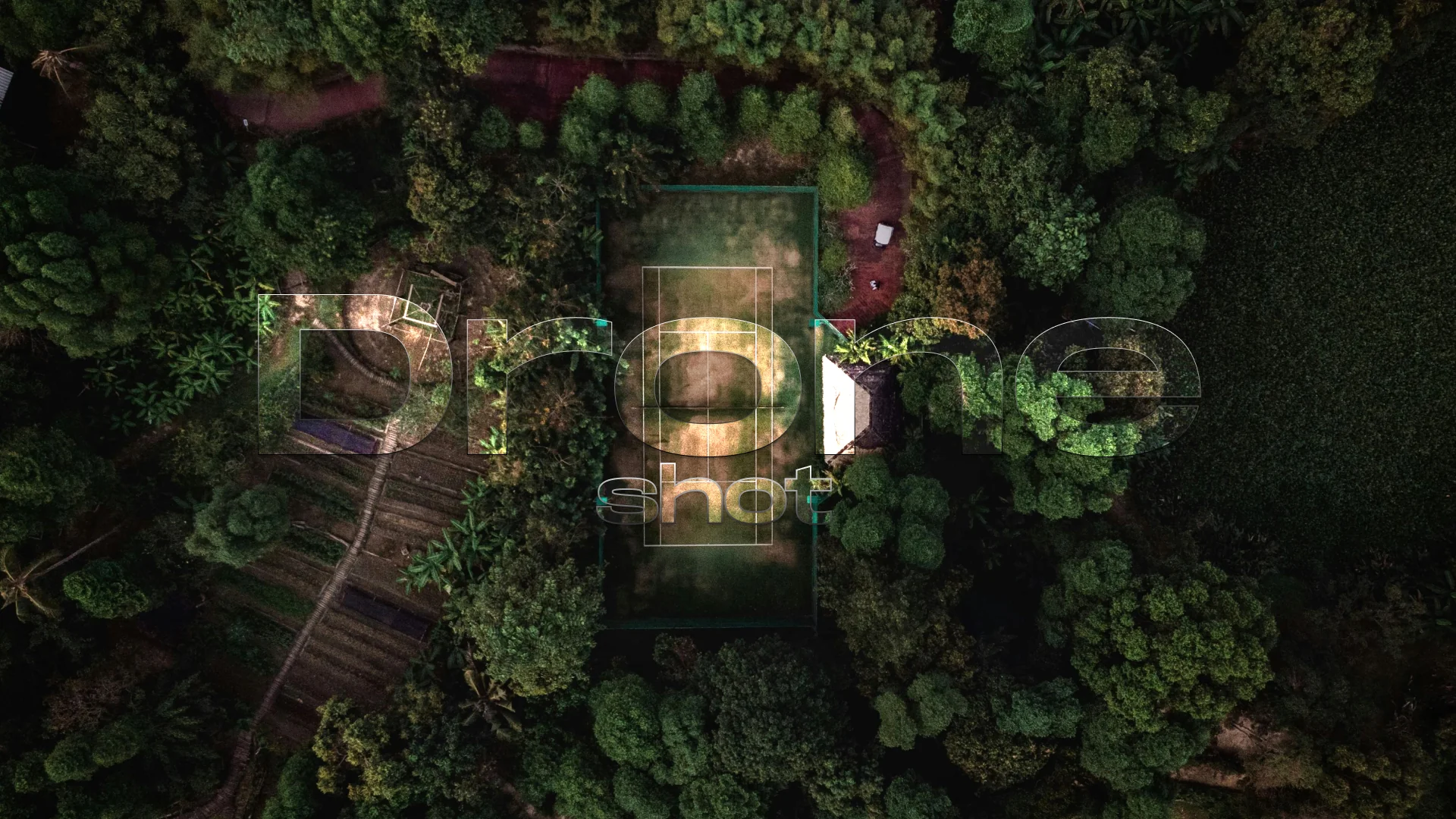
Top-down shots are one of the most popular angles in aerial photography. This angle offers a unique perspective by showcasing the world from directly above. It provides a sense of scale and symmetry, often revealing patterns and structures that are not visible from the ground. To capture a compelling top-down shot, fly your drone directly above your subject and position your camera to face downward. Be mindful of the lighting and shadows, as they can add depth and dimension to your shot.
Tips for Top-Down Shots
- Look for natural patterns, such as rows of trees, rivers, or urban grids.
- Ensure your drone is stable to avoid motion blur.
- Consider shooting during golden hour for softer shadows and richer colors.
Low-Altitude Angles
While aerial photography often involves capturing expansive landscapes, low-altitude angles can offer an intimate perspective. Flying your drone closer to the ground allows you to focus on specific details, such as textures or small-scale features, while still maintaining an aerial viewpoint. This angle is ideal for highlighting the nuances of your subject.
Tips for Low-Altitude Angles
- Use low-altitude angles to emphasize textures, such as waves, sand dunes, or forest floors.
- Be cautious of obstacles, as flying close to the ground increases the risk of collisions.
- Experiment with different heights to find the optimal balance between detail and perspective.
High-Altitude Panoramas
High-altitude panoramas capture vast expanses of land or cityscapes, providing a sweeping view of the environment. This angle is perfect for showcasing the grandeur of a location, such as mountain ranges or sprawling urban landscapes. To achieve a high-altitude panorama, fly your drone to a significant height and use a wide-angle lens or panoramic mode to capture the entire scene.
Tips for High-Altitude Panoramas
- Ensure good weather conditions, as wind and clouds can obstruct your view.
- Use software to stitch multiple images together for a seamless panorama.
- Consider the rule of thirds to create a balanced composition.
Dynamic Angles and Movement
Incorporating movement into your shots can add a dynamic and cinematic quality to your aerial videography. By experimenting with different angles and paths, you can create engaging visuals that captivate your audience. Techniques such as tracking shots, reveals, and orbits take advantage of the drone’s mobility to produce stunning footage.
Tips for Dynamic Angles and Movement
- Use tracking shots to follow a moving subject, such as a car or boat.
- Employ reveal shots to gradually unveil your subject, adding an element of surprise.
- Practice smooth and steady movements to avoid shaky footage.
The Role of Post-Processing
Post-processing plays a significant role in enhancing your aerial shots. Editing software allows you to adjust colors, contrast, and sharpness to bring out the best in your images. Additionally, you can crop or straighten your shots to improve composition. While capturing an excellent shot in-camera is crucial, post-processing can help elevate it to a professional level.
Tips for Post-Processing
- Use software like Adobe Lightroom or Photoshop to edit your images.
- Adjust the white balance to correct color casts caused by lighting conditions.
- Be subtle with edits to maintain a natural look.
Conclusion
Mastering drone angles is a vital skill for any aerial photographer or videographer. By understanding your drone’s capabilities and experimenting with different perspectives, you can capture stunning aerial shots that stand out. Whether you’re shooting top-down compositions, low-altitude details, or dynamic movements, the right angle can transform an ordinary scene into a breathtaking visual experience. Remember, practice and experimentation are key to discovering the most compelling angles for your aerial photography. Happy flying!
Share this content:

Post Comment