Master Drone Cinematics: Ultimate Tutorial for Stunning Shots
Introduction
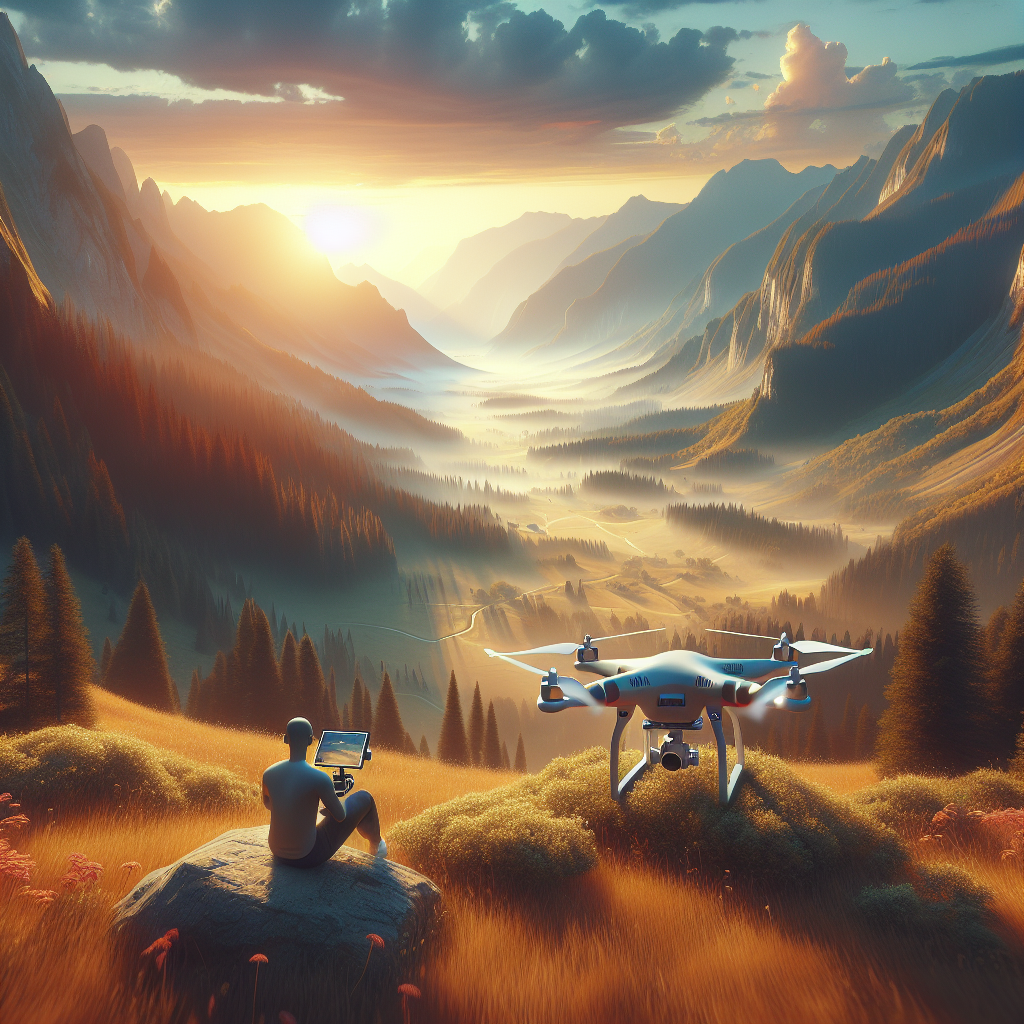
Drones have revolutionized the way we capture the world from above, offering a perspective once reserved for large-scale productions with hefty budgets. With the evolution of technology, drones have become more accessible to filmmakers and photographers of all levels. This guide is designed to help you master drone cinematics, enabling you to create stunning aerial shots that captivate and inspire.
Understanding Your Equipment
Before you can create breathtaking drone cinematics, it’s essential to understand your equipment. Drones come in various shapes and sizes, each with unique features and capabilities. Familiarize yourself with your drone’s camera specifications, flight modes, and battery life to ensure optimal performance during shoots.
Camera Settings
The camera is the heart of any cinematic shot. Adjust settings such as resolution, frame rate, ISO, and shutter speed to suit your shooting conditions. For most cinematic purposes, shooting in 4K resolution at 24-30 frames per second is ideal, as it offers high-quality footage with a film-like motion blur.
Flight Modes and Stability
Most drones come equipped with various flight modes designed to assist in capturing smooth and stable footage. Practice using modes like tripod mode or cinematic mode, which slow down the drone’s movements for more controlled and fluid shots. Always ensure your drone’s firmware is up to date to benefit from the latest stability enhancements.
Pre-Flight Planning
Successful drone cinematics start long before the drone takes to the skies. Planning your shots and understanding the environment can make the difference between mediocre and magnificent footage.
Location Scouting
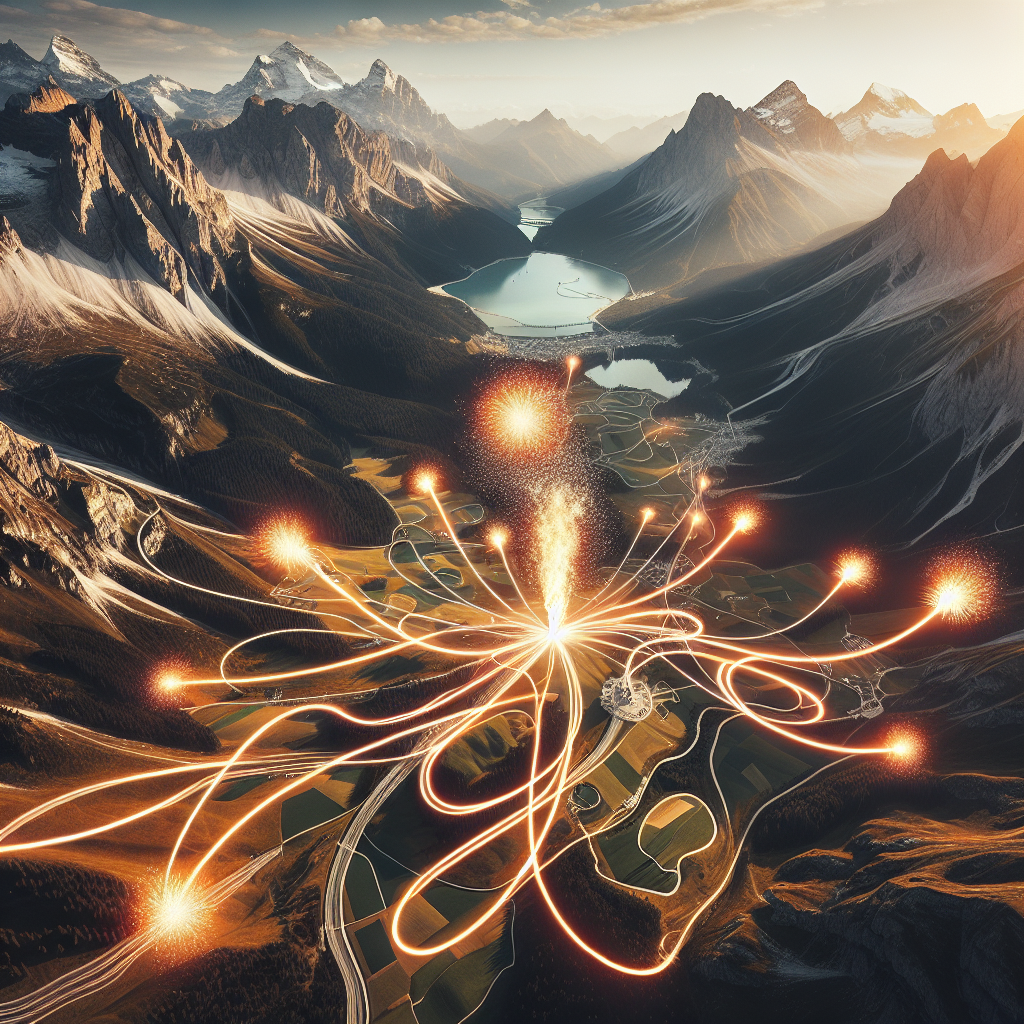
Choose locations that offer unique perspectives and interesting compositions. Consider factors such as lighting, weather conditions, and potential obstacles. Utilize tools like Google Earth or drone mapping apps to preview locations and plan flight paths.
Storyboarding
Storyboarding helps visualize the sequence of shots you aim to capture. Sketch or outline your desired shots, noting specific angles or movements that will enhance your narrative. This preparation ensures a cohesive visual story and minimizes unnecessary flying time.
Mastering Aerial Composition
Composition is a fundamental aspect of any visual art form, and aerial photography is no exception. Applying traditional photography principles can elevate your drone footage to cinematic excellence.
The Rule of Thirds
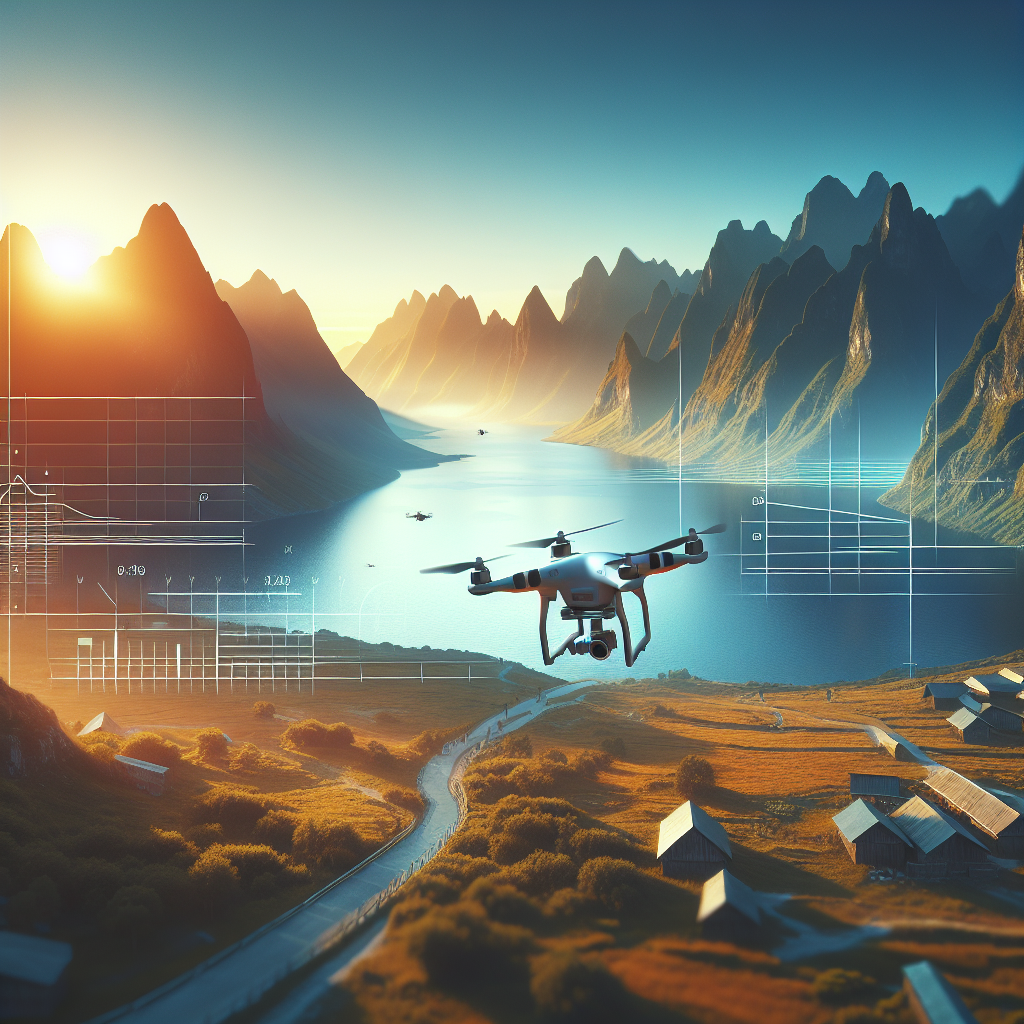
Divide your frame into a 3×3 grid and position key elements along these lines or intersections. This technique creates balanced and engaging visuals, drawing the viewer’s attention naturally to points of interest.
Leading Lines and Symmetry
Use natural or man-made lines to guide the viewer’s eye through the frame. Roads, rivers, and architectural elements are excellent for creating dynamic compositions. Symmetry can also be a powerful tool, especially when shooting top-down perspectives.
Executing Dynamic Movements
Dynamic movements add energy and depth to your drone cinematics. Mastering these techniques will enhance the visual storytelling of your aerial footage.
Flyovers and Reveals
Flyovers are straightforward yet effective, showcasing landscapes or structures in their entirety. For added drama, incorporate reveals by obscuring the subject initially and unveiling it as the drone moves past an obstacle.
Orbiting and Tracking Shots
Orbiting involves circling a subject, offering a 360-degree view and adding a sense of grandeur. Tracking shots follow a subject, maintaining a consistent distance while moving. Both techniques require smooth control and practice to perfect.
Post-Production Techniques
The editing process is where your footage comes to life. Thoughtful post-production can transform raw footage into a polished, cinematic masterpiece.
Color Grading
Color grading enhances the visual tone and mood of your footage. Adjust contrast, saturation, and color balance to achieve a consistent and cinematic look. Utilize LUTs (Look-Up Tables) for quick grading or customize your palette for a unique style.
Stabilization and Editing Software
Even with stable flight, minor jitters can occur. Use stabilization software to smooth out any unwanted movements. Editing software like Adobe Premiere Pro or Final Cut Pro offers tools to refine your footage and create seamless transitions.
Legal and Safety Considerations
Responsible drone operation is crucial for safety and compliance with regulations. Understanding and adhering to legal requirements is essential for any drone cinematographer.
Understanding Regulations
Each country has specific regulations regarding drone usage. Familiarize yourself with local laws, including flight altitude limits, no-fly zones, and required permits. Register your drone with relevant authorities if necessary.
Safety Precautions
Prioritize safety by conducting pre-flight checks and ensuring your drone is in good working condition. Avoid flying over crowds, private property, or restricted areas. Always maintain a line of sight with your drone and be mindful of environmental conditions that could affect its performance.
Conclusion
Mastering drone cinematics is a journey that combines technical skill, creative vision, and meticulous planning. By understanding your equipment, honing your compositional techniques, and editing with precision, you can create stunning aerial shots that leave a lasting impression. Remember to fly responsibly and keep safety at the forefront of your creative endeavors. With practice and perseverance, your drone cinematics will soar to new heights, capturing the beauty of the world from an elevated perspective.
#ChatGPT assisted in the creation of this article.
Share this content:

Post Comment