### Capturing Stunning Drone Shots: Creative Techniques Revealed
“`html
Introduction to Drone Photography
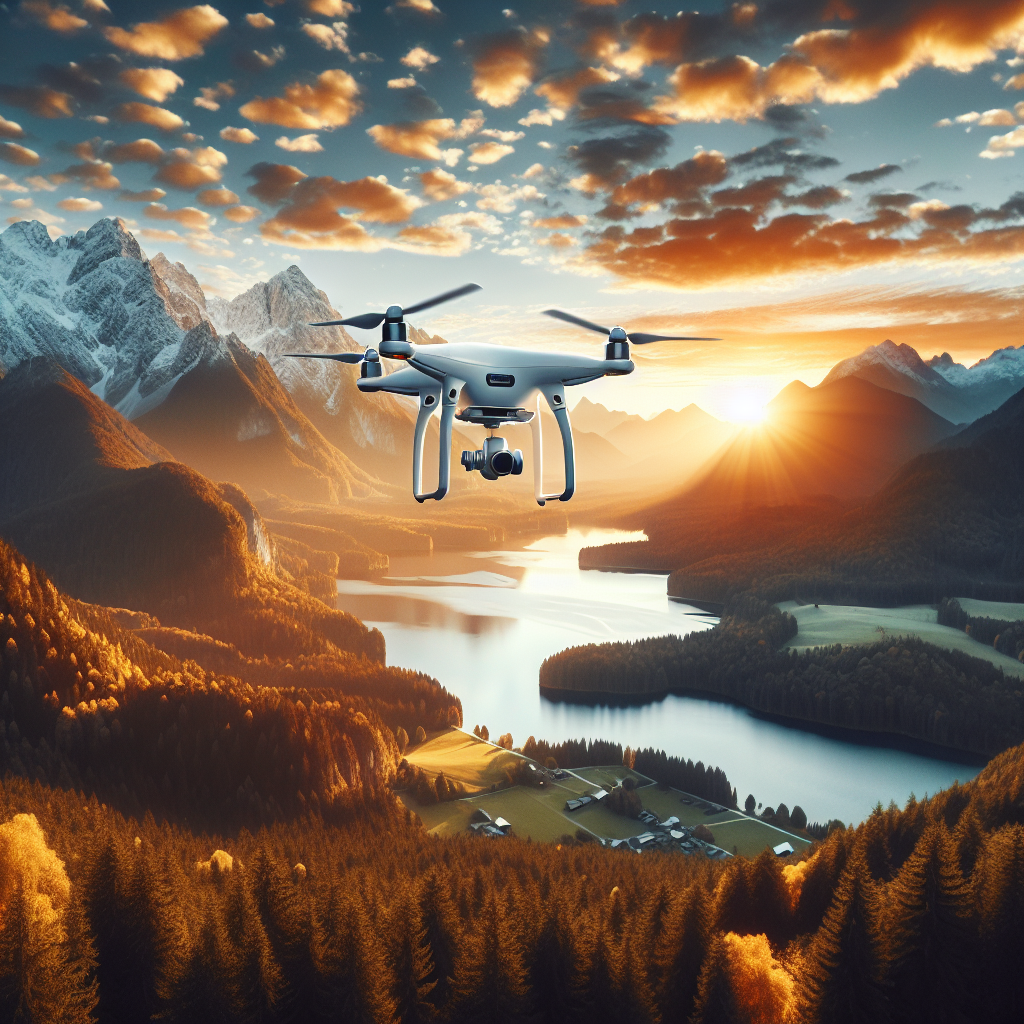
In recent years, drone photography has revolutionized the way we capture the world from above. With advancements in technology, drones have become more accessible to photographers and videographers, opening up a new realm of possibilities in visual storytelling. Capturing stunning drone shots requires not just technical skills but also a creative eye. In this article, we will delve into various techniques that can elevate your drone photography and videography to new heights.
Understanding Your Equipment
Before embarking on your aerial photography journey, it’s crucial to familiarize yourself with your drone and its capabilities. Different drones offer varying features such as camera quality, flight time, and range. Understanding these specifications will help you make informed decisions when capturing your shots.
Choosing the Right Drone
Selecting the appropriate drone is the first step in capturing stunning aerial images. Consider factors such as camera resolution, gimbal stability, and intelligent flight modes. Drones like the DJI Mavic series are popular among enthusiasts for their compact design and high-quality cameras, making them an excellent choice for both beginners and professionals.
Mastering Drone Controls
To capture the perfect shot, you must be adept at maneuvering your drone. Spend time practicing basic movements such as ascending, descending, and rotating. Familiarize yourself with the drone’s remote controls and app interface to execute precise movements and select various camera settings.
Planning Your Shot
One of the keys to capturing breathtaking drone shots is meticulous planning. This involves selecting the right location, time, and weather conditions, as well as understanding the legal restrictions in your area.
Scouting Locations
Research potential locations that offer unique landscapes or architectural wonders. Use satellite maps and apps to scout the area beforehand, identifying interesting angles and compositions. Consider factors such as lighting, shadows, and potential obstacles when planning your shoot.
Timing and Weather Conditions
The time of day and weather conditions can significantly impact the quality of your aerial shots. Golden hour, which occurs shortly after sunrise and before sunset, provides soft and warm lighting that enhances the beauty of landscapes. Additionally, clear skies or minimal cloud cover are ideal for capturing crisp and vibrant images.
Creative Composition Techniques
Once you have mastered the technical aspects and planned your shoot, it’s time to focus on composition. Creative composition techniques can transform ordinary shots into captivating visual stories.
Leading Lines and Symmetry
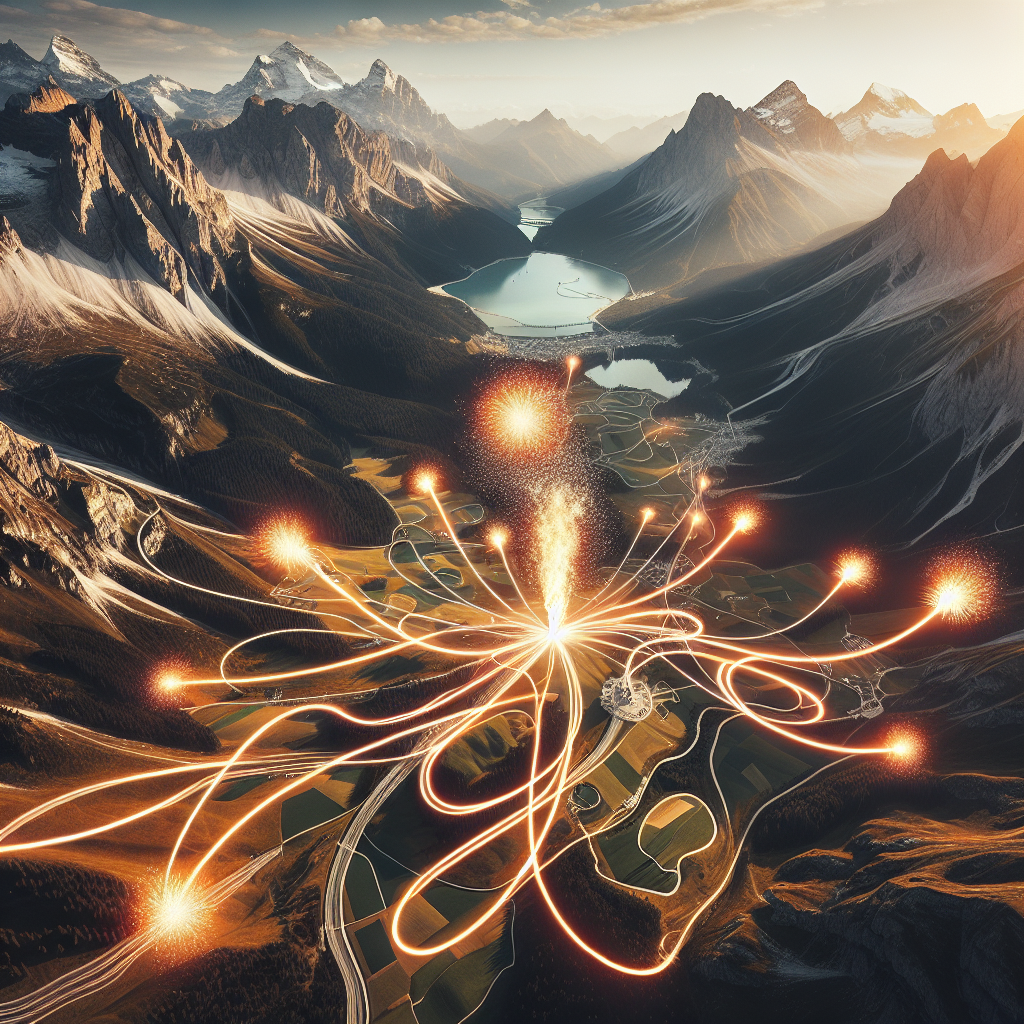
Incorporating leading lines and symmetry in your aerial shots can create a sense of depth and balance. Roads, rivers, and pathways are excellent elements to use as leading lines, guiding the viewer’s eye through the image. Symmetrical compositions, such as reflections in water bodies, add harmony and aesthetic appeal to your shots.
Rule of Thirds
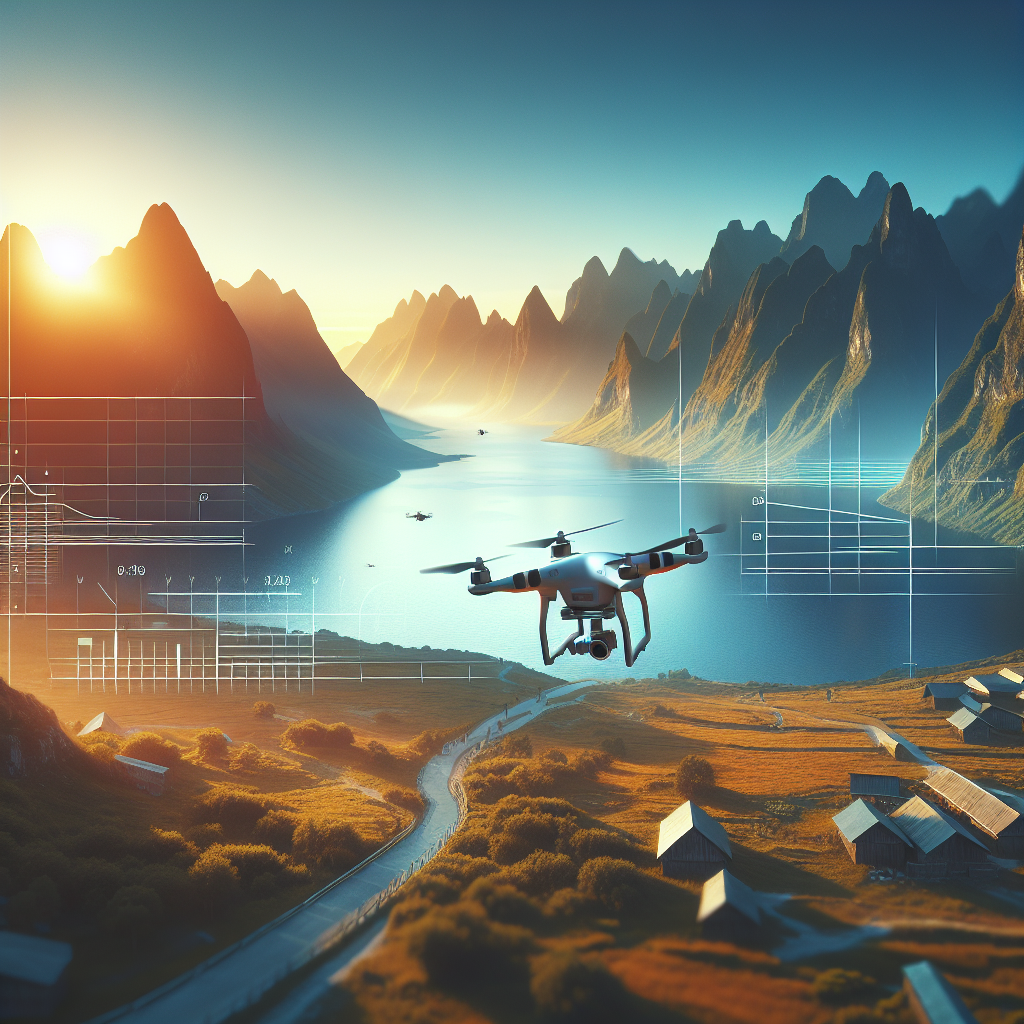
The rule of thirds is a fundamental principle in photography that can be effectively applied to drone shots. Imagine dividing your frame into a 3×3 grid and positioning key elements along these lines or at their intersections. This technique creates a balanced and visually pleasing composition.
Playing with Perspective
One of the unique advantages of drone photography is the ability to capture perspectives that are otherwise impossible from the ground. Experiment with different altitudes and angles to create a fresh viewpoint. Whether it’s a bird’s-eye view or a low-altitude shot, playing with perspective adds intrigue and depth to your images.
Enhancing Your Shots with Post-Processing
Post-processing is an essential step in refining your drone photography. Editing software such as Adobe Lightroom and Photoshop can enhance colors, contrast, and sharpness, bringing your images to life.
Color Grading and Correction
Adjusting colors and tones can dramatically change the mood and atmosphere of your shots. Experiment with color grading to achieve the desired look, whether it’s vibrant and saturated or moody and desaturated. Correct any color imbalances and enhance the overall visual appeal of your images.
Sharpening and Noise Reduction
Drone images can sometimes suffer from slight blurriness or noise, especially in low-light conditions. Use sharpening tools to enhance the details in your shots, and apply noise reduction techniques to minimize graininess, resulting in cleaner and crisper images.
Incorporating Motion in Drone Videography
While still photography captures a single moment, drone videography allows you to tell a story through motion. Incorporating movement into your videos can create dynamic and engaging content.
Utilizing Cinematic Movements
Incorporate cinematic movements such as pans, tilts, and orbits to add drama and fluidity to your videos. These techniques require precise control and practice to achieve smooth and seamless transitions. Combining different movements can create visually captivating sequences.
Slow Motion and Hyperlapse
Experiment with slow-motion and hyperlapse techniques to add a creative flair to your drone videos. Slow-motion captures details that might be missed at normal speed, while hyperlapse condenses time, creating a fast-paced and mesmerizing effect.
Legal and Safety Considerations
As a responsible drone operator, it’s essential to adhere to legal regulations and prioritize safety when capturing aerial shots.
Understanding Regulations
Familiarize yourself with the drone regulations in your country or region. These may include restrictions on flight altitude, no-fly zones, and registration requirements. Adhering to these regulations ensures safe and legal drone operations.
Ensuring Safety
Prioritize safety by conducting pre-flight checks and maintaining a safe distance from people, animals, and property. Be aware of your surroundings and avoid flying in adverse weather conditions or crowded areas.
Conclusion: Elevating Your Drone Photography
Capturing stunning drone shots requires a combination of technical proficiency, creative vision, and careful planning. By understanding your equipment, mastering composition techniques, and enhancing your shots through post-processing, you can create breathtaking aerial imagery. Whether you’re a hobbyist or a professional, the sky is truly the limit when it comes to drone photography and videography. Embrace the possibilities and let your creativity soar.
“`
#ChatGPT assisted in the creation of this article.
Share this content:

Post Comment