Master Drone Flying: Essential Tips for Beginners
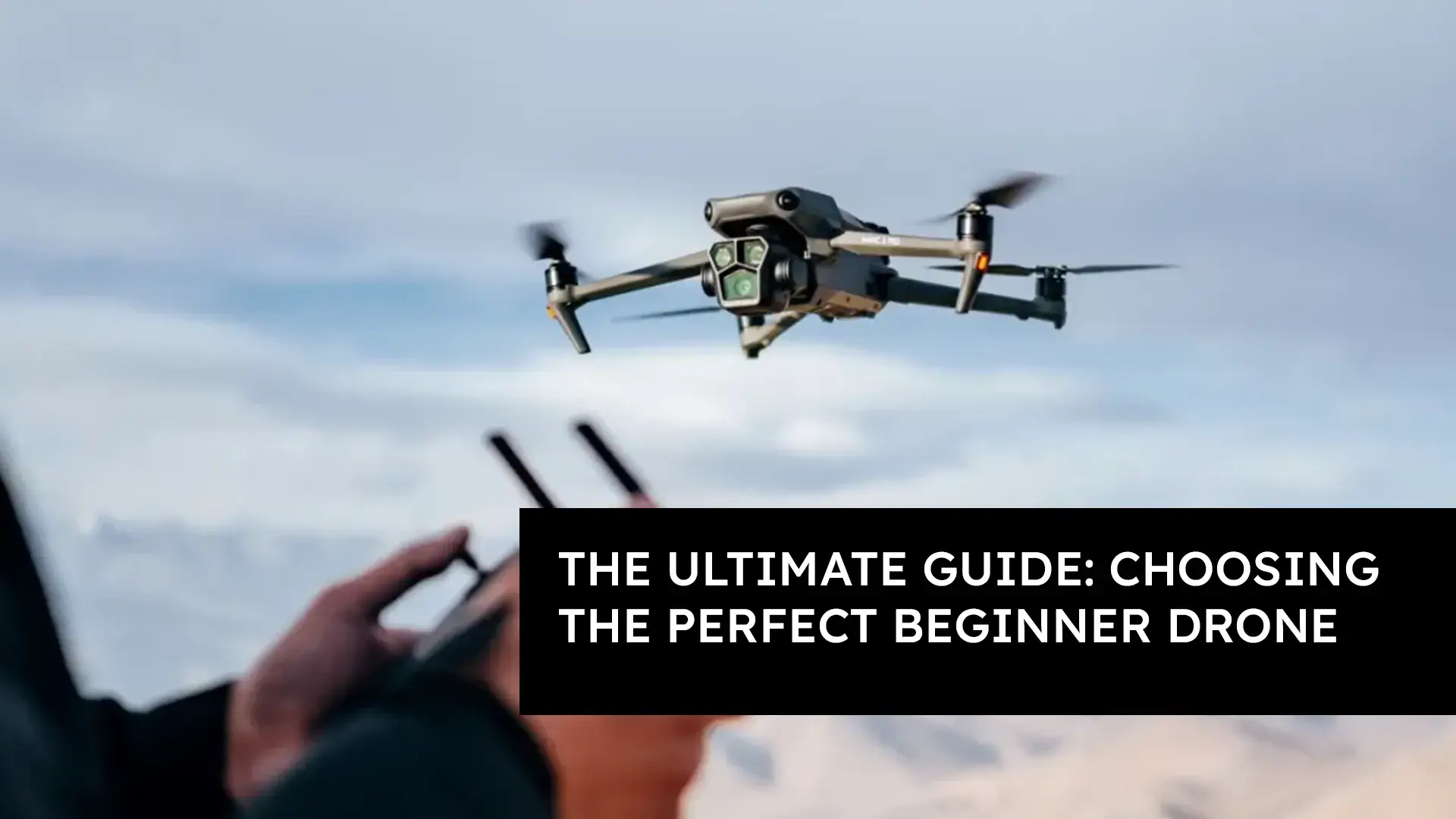
Drones have revolutionized the way we capture the world from above, offering unique perspectives and creative possibilities. Whether you’re interested in photography, videography, or just the thrill of piloting an unmanned aircraft, mastering drone flying can open up a world of opportunities. However, as a beginner, it’s crucial to understand the basics and gather essential tips to ensure safe and effective drone operation. This guide will walk you through the fundamental aspects of drone flying, providing you with the confidence and knowledge to become a skilled drone pilot.
Understanding Drone Basics
Before you take your drone to the skies, it’s important to familiarize yourself with the basic components and functions of a drone. Most consumer drones are equipped with a camera, propellers, a remote controller, and various sensors to assist with stability and navigation. Understanding each of these components and how they work together will give you a solid foundation for learning to fly.
The Anatomy of a Drone
- Frame: The body of the drone that houses all components.
- Propellers: Provide lift and enable the drone to fly.
- Motors: Spin the propellers to generate lift.
- Camera: Captures aerial footage and images.
- Gimbal: Stabilizes the camera for smooth footage.
- Battery: Powers the drone and its components.
- Remote Controller: Allows the pilot to control the drone’s movements.
Understanding Drone Controls
The remote controller is your primary tool for piloting the drone. It typically features two joysticks and several buttons. The left joystick controls altitude and rotation, while the right joystick manages forward, backward, and side-to-side movements. Practice using these controls to get a feel for how your drone responds to your inputs.
Preparing for Your First Flight
Before you take off, preparation is key. Ensure your drone is in optimal condition and that you are fully aware of the regulations governing drone flights in your area. Taking the time to prepare will help prevent accidents and ensure a smooth flying experience.
Check Your Equipment
- Inspect the Drone: Check for any physical damage, ensure the propellers are securely attached, and verify that the battery is fully charged.
- Update Firmware: Make sure your drone’s firmware is up to date to benefit from the latest features and improvements.
- Calibrate the Compass: Calibrate your drone’s compass before each flight to avoid navigation issues.
Understand the Rules and Regulations
Familiarize yourself with the drone regulations in your country or region. Many countries require drone pilots to register their drones and adhere to specific flight restrictions, such as altitude limits and no-fly zones. Compliance with these rules is essential for safe and legal drone operation.
Mastering Basic Flight Maneuvers
Once you’re ready to take off, start with basic flight maneuvers to build your confidence and skill. Practicing these maneuvers will help you become comfortable with controlling your drone and reacting to different flying scenarios.
Hovering
Start by practicing hovering in place at a low altitude. Use the left joystick to maintain a stable hover and make small adjustments as needed. Hovering is a fundamental skill that allows you to stabilize your drone and prepare for more complex maneuvers.
Altitude Control
Use the left joystick to practice ascending and descending smoothly. Try to maintain consistent altitude changes and avoid sudden movements that could destabilize the drone.
Directional Control
Practice moving your drone forward, backward, and side-to-side using the right joystick. Start with slow and controlled movements, gradually increasing speed as you become more comfortable.
Yaw and Rotation
Use the left joystick to practice rotating your drone (yaw). This maneuver is essential for changing the direction your drone is facing. Combine yaw with directional movements to navigate more complex flight paths.
Advanced Flying Techniques
As you gain confidence and experience, you can start experimenting with more advanced flying techniques. These maneuvers will enhance your skills and allow you to capture more dynamic footage.
Circle Around a Point
Practice flying your drone in a circular path around a fixed point. This technique is useful for capturing cinematic shots and improving your control over the drone’s speed and direction.
Figure Eight Maneuver
The figure eight maneuver involves flying your drone in a pattern that resembles the number eight. This exercise will help you develop precise control over your drone’s movements and improve your ability to navigate complex flight paths.
Tracking Moving Subjects
Practice tracking moving subjects, such as a person or a vehicle, while keeping them in the frame. This skill is valuable for capturing dynamic action shots and requires precise control over your drone’s speed and direction.
Ensuring Safety and Success
Safety should always be your top priority when flying a drone. Follow these tips to ensure a safe and successful flying experience.
Monitor Weather Conditions
Check the weather conditions before each flight. Avoid flying in strong winds, rain, or fog, as these conditions can compromise your drone’s stability and visibility.
Maintain Visual Line of Sight
Always keep your drone within your visual line of sight. This practice helps you maintain control over the drone and avoid potential obstacles or hazards.
Respect Privacy and Property
Be mindful of people’s privacy and property when flying your drone. Avoid flying over private property without permission and respect no-fly zones and restricted areas.
Have a Plan for Emergencies
Be prepared for emergencies by knowing how to safely land your drone in case of a malfunction or low battery. Practice emergency landing procedures and familiarize yourself with your drone’s return-to-home function.
Conclusion
Mastering drone flying is an exciting and rewarding journey that opens up new creative possibilities. By understanding the basics, practicing fundamental maneuvers, and prioritizing safety, you’ll be well on your way to becoming a skilled drone pilot. Remember to stay informed about regulations, continuously develop your skills, and always prioritize responsible and respectful flying. With dedication and practice, you’ll be able to capture stunning aerial footage and fully enjoy the world of drone flying.
Share this content:



Post Comment