Master Drone Photography: Top Tips for Stunning Shots

The advent of drones has revolutionized the world of photography, offering perspectives and angles that were previously inaccessible. Whether you’re capturing the vastness of a landscape, the architecture of a cityscape, or the intricate patterns of nature, drone photography adds a unique dimension to your work. However, mastering drone photography requires more than just owning a drone. It involves understanding the nuances of aerial composition, mastering flight controls, and knowing how to leverage lighting and settings to capture stunning shots.
Choosing the Right Drone for Photography
Before you embark on your drone photography journey, it’s essential to select the right drone for your needs. Factors to consider include camera quality, flight time, stability, and ease of use.
Camera Quality
The camera is the heart of your drone. Look for drones with high-resolution cameras that offer at least 12 megapixels for photography. Consider drones with larger sensors, like a 1-inch sensor, for improved image quality, especially in low-light conditions.
Flight Time
Longer flight times allow you to explore more compositions and wait for the perfect moment. Drones with a flight time of 20-30 minutes are ideal, providing ample time to capture a variety of shots.
Stability and Controls
Stability is crucial for capturing sharp images. Look for drones with advanced stabilization features such as gimbals and GPS positioning. Additionally, intuitive controls make it easier to maneuver the drone and capture the desired shots.
Mastering Composition Techniques
Composition in drone photography is about creating visually appealing images that draw the viewer’s attention. Here are some techniques to enhance your compositions:
The Rule of Thirds
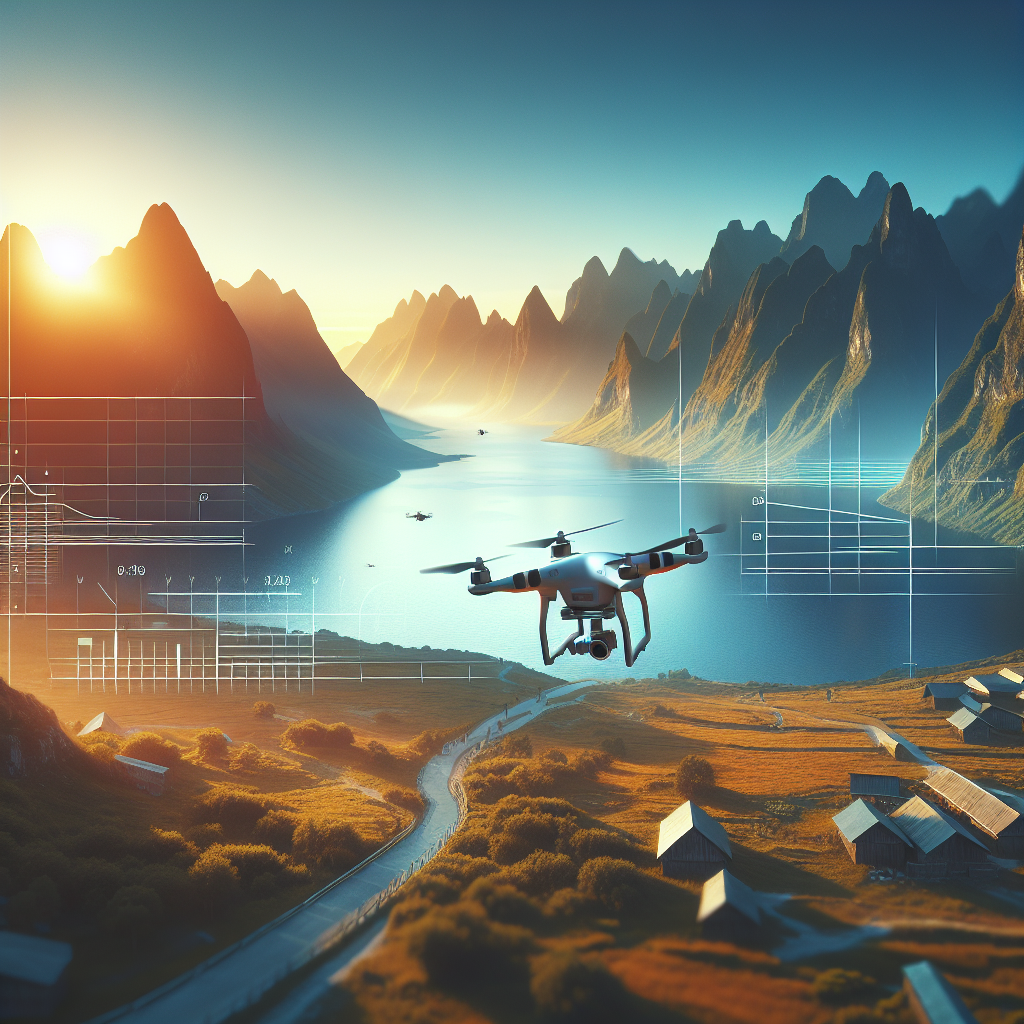
This classic photography principle applies to drone photography as well. Imagine your frame divided into a 3×3 grid, and position your subject along these lines or at their intersections to create balance and interest.
Leading Lines
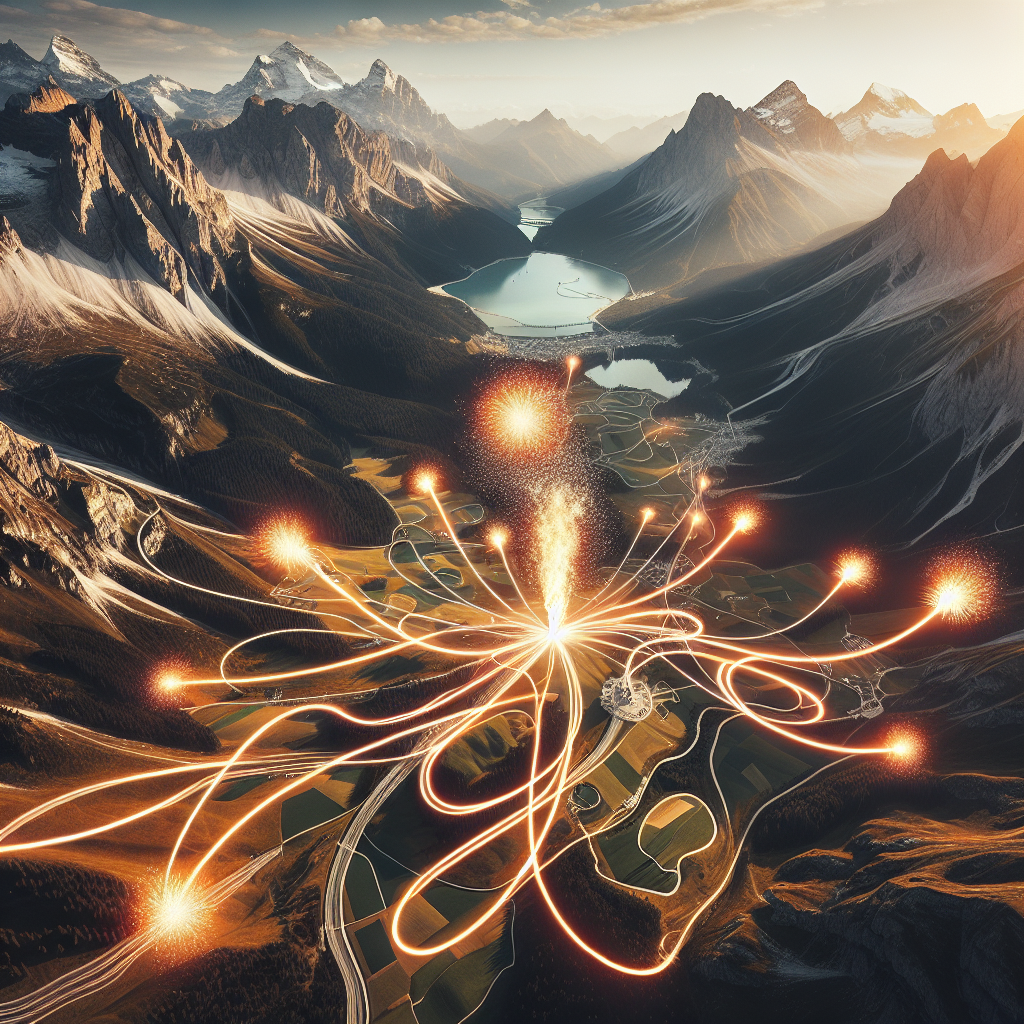
Use natural or man-made lines to guide the viewer’s eye through the image. Roads, rivers, and trails are excellent examples that can lead the viewer towards the main subject.
Patterns and Symmetry
From above, patterns and symmetry become more pronounced. Look for natural patterns, such as fields or forests, and man-made structures, like city grids, to create striking images.
Framing
Use elements within your scene to frame your subject, adding depth and context. This could be natural elements like trees or architectural features like arches.
Understanding Lighting and Time of Day
Lighting dramatically influences the mood and quality of your drone photographs. Understanding how to work with different lighting conditions is key to capturing stunning aerial shots.
Golden Hour
The golden hour, shortly after sunrise and before sunset, offers soft, warm light that enhances colors and textures. The low angle of the sun creates long shadows, adding depth to your compositions.
Blue Hour
The blue hour, just before sunrise and after sunset, provides a cooler light with rich blues and purples. This is an excellent time for capturing cityscapes with artificial lights.
Midday Challenges
Shooting during midday can be challenging due to harsh shadows and high contrast. If you must shoot at this time, consider capturing abstract patterns and textures that benefit from the overhead light.
Mastering Drone Settings
Understanding your drone’s settings is crucial for capturing high-quality images. Here are some key settings to consider:
ISO
Keep your ISO as low as possible to minimize noise and maintain image quality. Adjust ISO only when necessary, such as in low-light conditions.
Shutter Speed
A faster shutter speed helps in capturing sharp images and compensating for drone movement. However, for motion blur effects, such as capturing waves or car lights, a slower shutter speed might be needed.
Aperture
Some advanced drones offer adjustable apertures. A lower f-stop (wider aperture) allows more light, ideal for low-light conditions, while a higher f-stop (narrower aperture) increases depth of field for landscape shots.
White Balance
Setting the correct white balance ensures colors are accurately represented. Adjust according to the lighting conditions; for instance, use a warmer setting during the golden hour.
Safety and Legal Considerations
While creativity is essential, safety and legal compliance are paramount in drone photography.
Know the Regulations
Different countries have varying regulations regarding drone usage. Familiarize yourself with the rules and obtain necessary permits or licenses.
Maintain Line of Sight
Always keep your drone within your line of sight to avoid accidents and ensure control over your equipment.
Avoid No-Fly Zones
Respect no-fly zones such as airports, military installations, and national parks. Use apps or maps to identify these areas before flying.
Weather Considerations
Check the weather forecast before your flight. Avoid flying in rain, snow, or high winds, as these conditions can affect stability and safety.
Post-Processing Techniques
Post-processing is an integral part of drone photography, allowing you to enhance and refine your images.
Edit for Balance
Adjust exposure, contrast, and saturation to achieve a balanced image that reflects the scene’s original beauty.
Use Filters
Apply filters to enhance mood and tone. For instance, a polarizing filter can deepen skies and reduce reflections, while a graduated filter can balance exposure between sky and land.
Correct Distortions
Wide-angle lenses on drones can introduce distortions. Use post-processing software to correct these and straighten horizons.
Conclusion
Mastering drone photography is a journey that combines technical skills with creative vision. By choosing the right equipment, understanding composition, leveraging lighting, mastering settings, ensuring safety, and refining through post-processing, you can capture breathtaking aerial images that captivate viewers. As you gain experience, continue experimenting and pushing the boundaries of what’s possible with drone photography. Embrace the sky as your canvas, and let your creativity soar. Happy flying and shooting!
Share this content:

Post Comment