Mastering Drone Laws: Essential Guide for Compliance

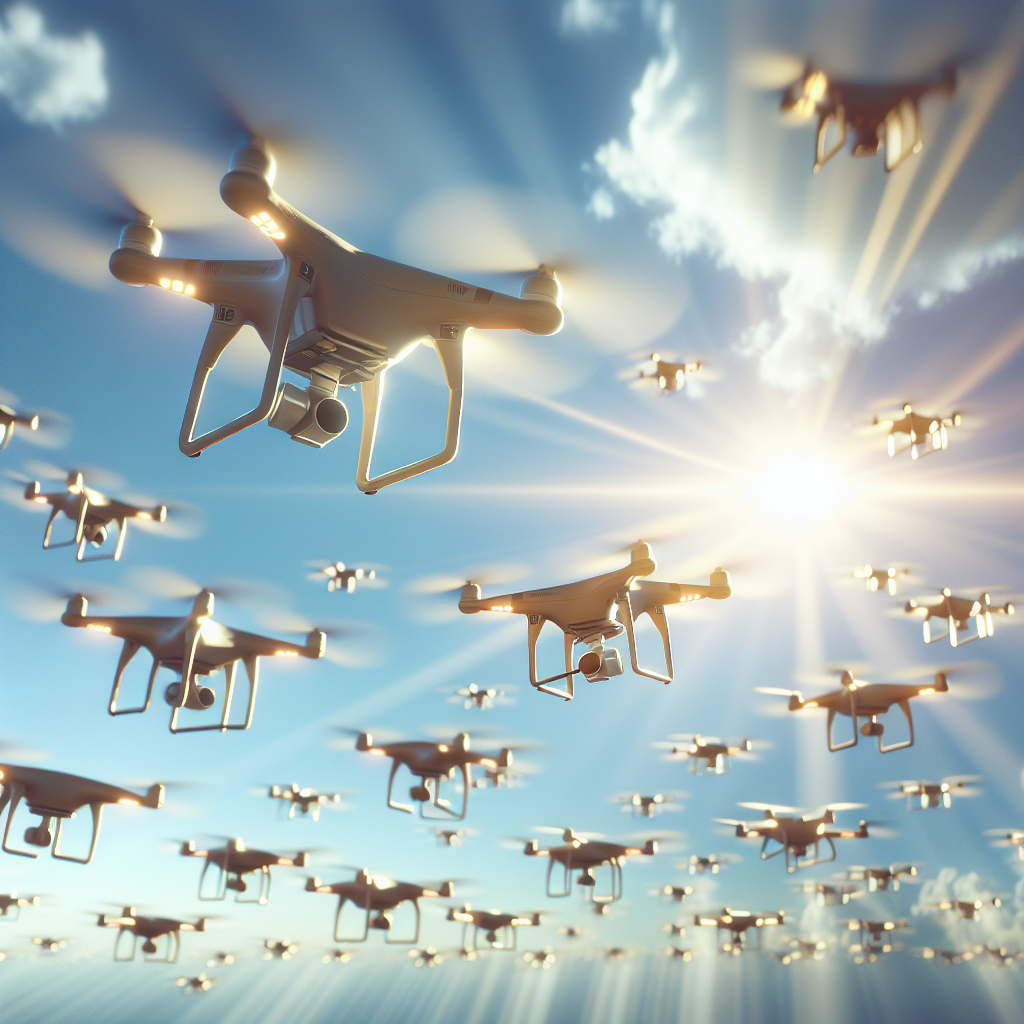
Drones, also known as Unmanned Aerial Vehicles (UAVs), have transformed industries ranging from photography to agriculture, providing innovative solutions and efficiencies. However, along with their rising popularity comes the critical need for understanding and complying with drone laws. These regulations are designed to ensure safety, privacy, and responsible usage. Mastering drone laws is essential for avoiding legal issues and maximizing the potential of drone technology.
Understanding the Basics of Drone Regulations
Drone regulations vary globally, with each country imposing unique requirements. However, several basic principles are commonly observed:
Registration and Licensing
Most countries require drone operators to register their drones, especially if used for commercial purposes. Registration helps authorities track drone usage and ensure operators are accountable. Additionally, obtaining a license or certification may be mandatory, confirming the operator’s knowledge of airspace rules and safety protocols.
Airspace Restrictions
Drones must operate within designated airspaces. Restricted areas, such as near airports, military bases, and densely populated zones, often have stringent rules or prohibitions to prevent interference with manned aircraft and ensure public safety.
Operational Guidelines
Regulations typically outline specific operational guidelines, including maximum altitude limits, line-of-sight requirements, and restrictions on flying over people or private property without permission. Following these guidelines minimizes risks and legal infractions.
Key International Drone Regulations
While each nation has specific laws, understanding a few key international regulations helps operators navigate global drone usage:
United States: Federal Aviation Administration (FAA)
In the U.S., the FAA governs drone operations. Key requirements include:
– Registration for drones weighing over 0.55 pounds.
– Remote Pilot Certificate for commercial operators.
– Adherence to Part 107 rules, which cover operational limitations and safety protocols.
European Union: European Union Aviation Safety Agency (EASA)
EASA oversees drone regulations across EU member states. Notable elements include:
– Open, Specific, and Certified categories based on risk levels.
– Registration for drones over 250 grams or equipped with a camera.
– Mandatory training and certification for higher-risk operations.
Australia: Civil Aviation Safety Authority (CASA)
CASA mandates drone operators in Australia to comply with several regulations:
– Registration and operator accreditation for commercial use.
– Maximum altitude of 120 meters.
– Prohibition of flights within 5.5 kilometers of controlled airports.
Privacy Concerns and Legal Implications
As drones become more prevalent, privacy concerns have increased. Operators must be mindful of capturing images or data that infringe on individuals’ privacy rights. Many jurisdictions have enacted laws to address these concerns:
Data Protection and Privacy Laws
Operators should familiarize themselves with data protection regulations, such as the General Data Protection Regulation (GDPR) in the EU, which governs the collection and processing of personal data. Compliance involves obtaining consent before capturing identifiable images or data.
Legal Consequences of Non-Compliance
Failure to adhere to drone laws can result in significant penalties, including fines, confiscation of equipment, and legal action. Understanding and respecting privacy rights is crucial to avoiding legal repercussions.
Steps to Ensure Compliance with Drone Laws
To master drone laws and ensure compliance, operators should take the following steps:
Research Local Regulations
Before flying a drone, research the specific regulations in the intended area of operation. Local aviation authorities often provide detailed guidelines and resources to help operators understand their responsibilities.
Obtain Necessary Certifications
For commercial operations, obtaining the required certifications is essential. This may involve passing exams, demonstrating flight competence, and understanding safety protocols.
Invest in Training and Education
Comprehensive training equips operators with the skills needed to fly safely and responsibly. Many organizations offer courses covering topics such as airspace management, emergency procedures, and privacy considerations.
Utilize Technology for Compliance
Technological advancements can aid compliance efforts. Apps and software provide real-time information on airspace restrictions, weather conditions, and no-fly zones, helping operators plan safer flights.
Best Practices for Responsible Drone Usage
Beyond legal compliance, adopting best practices enhances safety and mitigates risks:
Conduct Pre-Flight Inspections
Regularly inspect the drone and its components before each flight to ensure everything is in working order. Address any maintenance issues to prevent accidents.
Maintain Situational Awareness
Being aware of the surroundings and potential obstacles is crucial. This includes monitoring weather conditions and avoiding flying near people, structures, or wildlife.
Respect Privacy and Public Spaces
Fly in a manner that respects the privacy of individuals and the integrity of public spaces. Avoid capturing images or data without explicit consent.
Stay Informed and Adapt
Drone regulations are continually evolving. Staying informed about changes and adapting practices accordingly is vital for ongoing compliance.
The Future of Drone Regulations
As drone technology advances, so too will the regulatory landscape. Anticipated developments include:
Integration of Drones into Air Traffic Management
Efforts are underway to integrate drones into existing air traffic management systems, ensuring safer coexistence with manned aircraft. This involves developing technologies for tracking and communication between drones and air traffic controllers.
Enhanced Safety Standards
Regulators are likely to introduce stricter safety standards and certifications, particularly for operations in urban areas or higher-risk environments. These measures will enhance safety and public confidence.
Global Harmonization of Regulations
To facilitate international drone operations, there’s a push toward harmonizing regulations across countries. This would streamline processes for operators engaged in cross-border activities and promote consistency in safety standards.
Conclusion: Navigating the Complexities of Drone Laws
Mastering drone laws is a multifaceted endeavor that requires diligence, education, and a commitment to responsible usage. By understanding and adhering to regulations, operators can leverage the full potential of drones while ensuring safety, privacy, and legal compliance. As the regulatory environment continues to evolve, staying informed and adaptable will be key to thriving in the dynamic world of drone technology.
Share this content:


Post Comment