Master Drone Compass Calibration for Optimal Performance
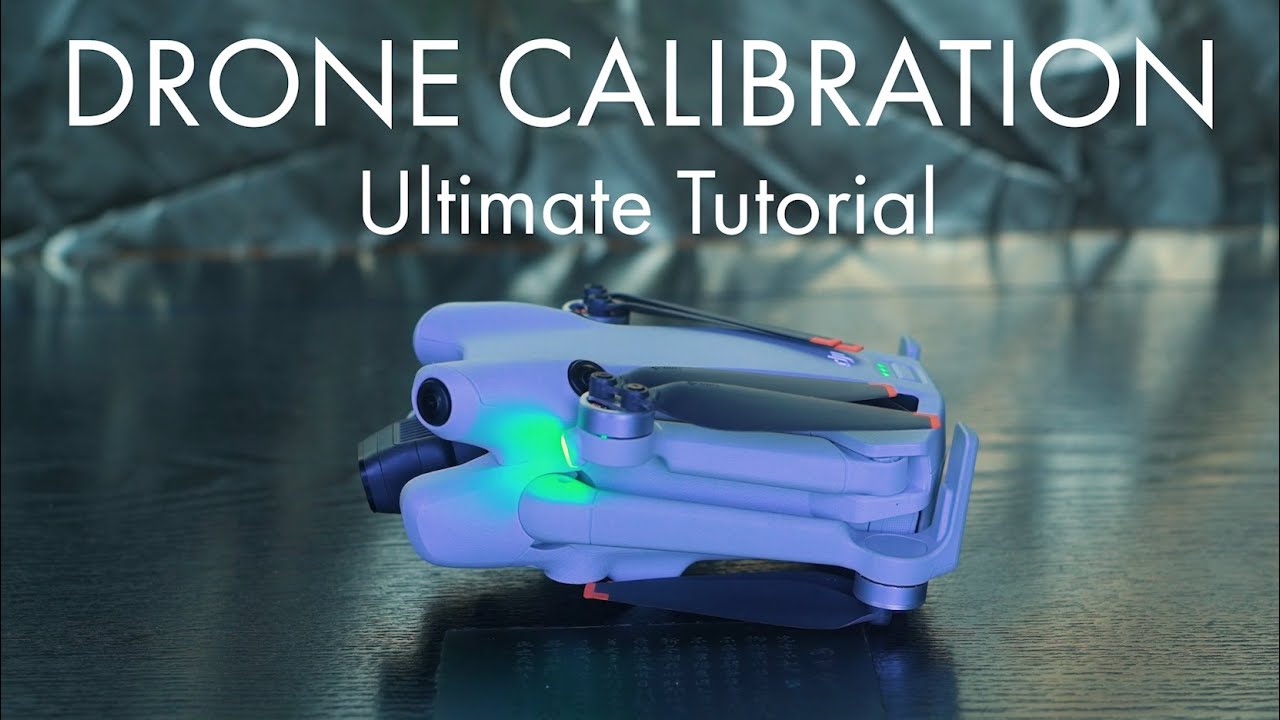
Drones have revolutionized the way we capture images, conduct surveys, and even deliver packages. However, for a drone to perform at its best, maintaining optimal performance is crucial. A critical aspect of this is compass calibration. The compass is an essential component that informs the drone about its orientation relative to the Earth’s magnetic field. Without proper calibration, a drone may suffer from navigation errors, leading to poor performance, erratic flight paths, and even crashes. This article delves into mastering drone compass calibration to ensure optimal performance.
Understanding the Importance of Compass Calibration
Compass calibration is the process of aligning the drone’s compass with the Earth’s magnetic field. This is crucial for several reasons:
- Accurate Navigation: A well-calibrated compass ensures that the drone can navigate accurately, following the intended flight path.
- Stable Flight: Proper calibration helps maintain stability during flight, preventing sudden drifts or erratic behavior.
- Prevention of Flyaways: Flyaways occur when a drone loses control and drifts away. A misaligned compass can contribute to this issue.
- Improved Performance: A calibrated compass enhances overall drone performance, ensuring smooth operation.
When to Calibrate Your Drone’s Compass
Regular compass calibration is essential, but certain situations necessitate immediate recalibration:
- After Traveling: If you’ve traveled a significant distance from your last calibration location, recalibrate the compass to account for changes in the Earth’s magnetic field.
- New Location: Whenever flying in a new area, calibrate the compass to adapt to the local magnetic field.
- Magnetic Interference: After exposure to magnetic interference from electronic devices, metal structures, or power lines, recalibrate the compass.
- Erratic Behavior: If the drone exhibits erratic behavior, recalibrate the compass to ensure it’s not a navigation issue.
Step-by-Step Guide to Compass Calibration
Calibrating your drone’s compass may vary slightly based on the model and manufacturer, but the following steps provide a general guide:
Step 1: Find an Open Space
Choose an open area, free from metallic objects and electronic devices that might interfere with the calibration process. Avoid areas with concrete, as it often contains rebar, which can affect the compass.
Step 2: Power On the Drone
Turn on your drone and its controller. Ensure that the battery is fully charged to avoid interruptions during calibration.
Step 3: Access Calibration Mode
Access the calibration mode via the drone’s control app or controller. This usually involves navigating to the settings menu and selecting the compass calibration option.
Step 4: Follow the Calibration Instructions
Most drones will have on-screen instructions to guide you through the calibration process. Typically, this involves rotating the drone in specific orientations:
- Hold the drone horizontally and rotate it 360 degrees.
- Point the nose of the drone downward and rotate it 360 degrees.
Step 5: Confirm Calibration
Once the calibration process is complete, the app or controller will confirm whether the calibration was successful. If unsuccessful, repeat the process.
Troubleshooting Common Calibration Issues
Despite following the steps, calibration issues can arise. Here’s how to troubleshoot common problems:
Interference Warnings
If you receive interference warnings, move to a different location free from potential magnetic interference. This might involve moving away from vehicles, metal structures, or electronic devices.
Calibration Failure
If the calibration fails repeatedly, ensure that the drone’s firmware is up to date. Outdated firmware can cause calibration issues. Additionally, check for physical damage to compass components.
Persistent Drift
If the drone continues to drift after successful calibration, perform a gyroscope calibration. This is often necessary in conjunction with compass calibration to ensure stable flight.
Best Practices for Maintaining Compass Accuracy
For optimal performance, adhere to the following best practices:
- Regular Calibration: Make compass calibration a regular part of your pre-flight checks, especially when flying in varied locations.
- Avoid Magnetic Interference: Keep the drone away from potential sources of magnetic interference both during storage and flight.
- Use a Compass Calibration Tool: Consider using a compass calibration tool for more precise calibration, especially in professional settings.
Conclusion: The Key to Optimal Drone Performance
Mastering compass calibration is a vital skill for any drone operator. By ensuring that your drone’s compass is accurately aligned with the Earth’s magnetic field, you enhance its navigation capabilities, stability, and overall performance. Regular calibration, combined with a keen awareness of potential interference, will keep your drone flying smoothly and accurately, avoiding costly errors and ensuring a satisfying flight experience every time. Whether you’re a hobbyist capturing stunning aerial footage or a professional conducting surveys, mastering compass calibration will significantly enhance your drone operations.
Share this content:



Post Comment