Revolutionizing Skies: The Future of Drone Technology
Introduction
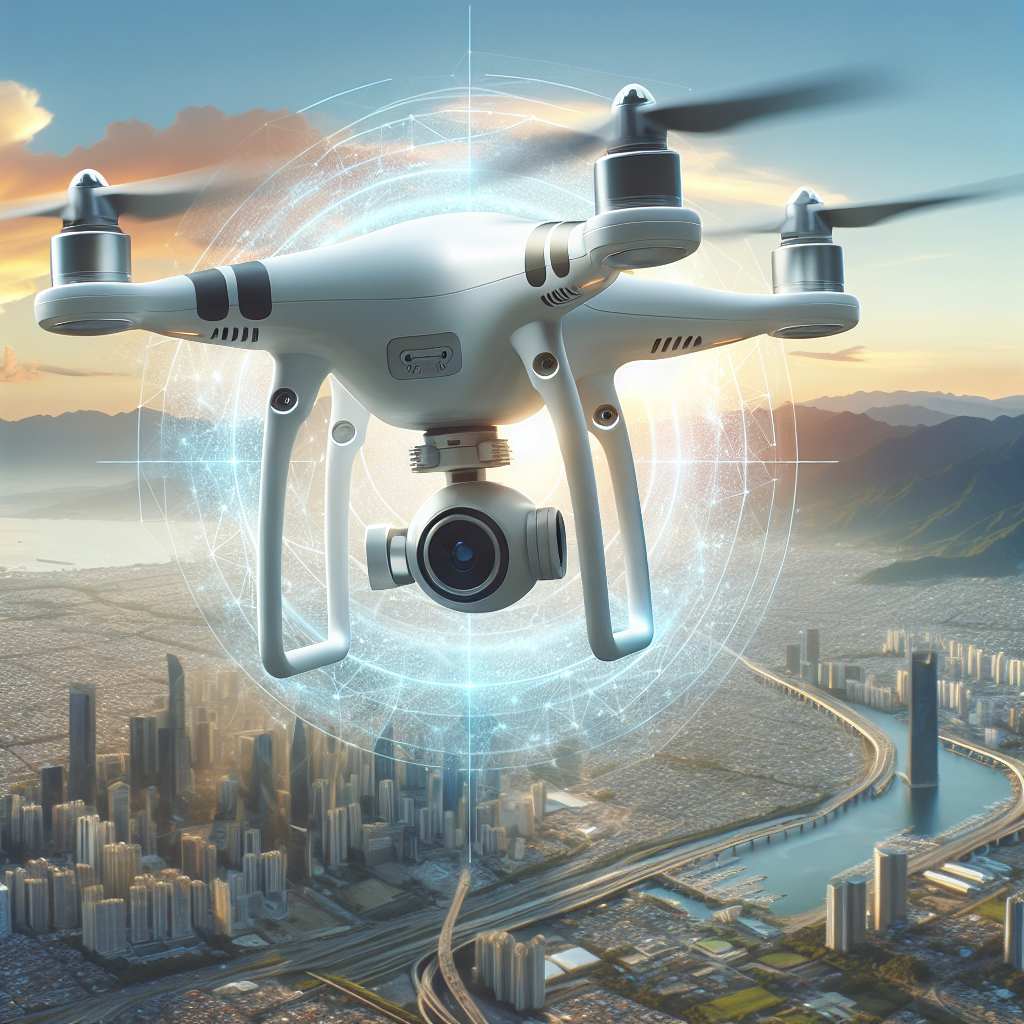
In recent years, drone technology has undergone a significant transformation, evolving from a niche hobbyist activity into a multi-billion dollar industry with applications spanning various sectors. As the skies become increasingly populated with unmanned aerial vehicles (UAVs), it is crucial to understand the trajectory of this technology and its potential impact on society. This article explores the revolutionary advancements in drone technology, the regulatory landscape shaping its deployment, and the future implications of drones in our daily lives.
The Evolution of Drone Technology
The journey of drone technology began with military applications, where UAVs were used for surveillance and reconnaissance missions. Over time, advancements in technology have democratized drone usage, making it accessible to civilian markets. Today, drones are equipped with high-definition cameras, sophisticated sensors, and artificial intelligence, enabling them to perform complex tasks with precision.
Miniaturization and Efficiency
One of the key factors driving the evolution of drones is miniaturization. As components become smaller and more efficient, drones have become lighter and more agile, enhancing their flight capabilities and battery life. This miniaturization has opened the door to new applications, from delivering medical supplies in remote areas to inspecting infrastructure in dangerous environments.
Artificial Intelligence and Automation
Artificial intelligence (AI) has played a pivotal role in advancing drone technology. AI algorithms enable drones to process vast amounts of data in real-time, making autonomous flight and decision-making possible. This has led to the development of drones that can navigate complex environments, recognize objects, and adapt to changing conditions without human intervention.
Applications of Drone Technology
The versatility of drones has led to their adoption across various industries, each leveraging the technology’s unique capabilities to enhance efficiency and productivity.
Agriculture
In agriculture, drones are revolutionizing precision farming. Equipped with multispectral sensors, drones can monitor crop health, assess soil conditions, and optimize irrigation. This data-driven approach allows farmers to make informed decisions, increasing yield while minimizing resource usage.
Delivery and Logistics
Drone delivery is set to transform the logistics industry. Companies like Amazon and UPS are piloting drone delivery programs to expedite last-mile delivery. Drones can reduce delivery times, decrease traffic congestion, and lower carbon emissions, making them an attractive solution for urban logistics.
Emergency Response and Healthcare
Drones are proving invaluable in emergency response scenarios. They can quickly access disaster-stricken areas, providing real-time data to aid in rescue operations. In healthcare, drones are being used to deliver medical supplies, such as vaccines and blood, to remote or inaccessible regions, potentially saving lives.
Regulatory Landscape
The rapid advancement of drone technology necessitates a robust regulatory framework to ensure safe and responsible use. Governments worldwide are grappling with the challenge of integrating drones into the airspace while addressing privacy and security concerns.
Airspace Integration
One of the primary regulatory challenges is integrating drones into existing airspace systems. This requires developing air traffic management solutions that can accommodate both manned and unmanned aircraft. Efforts are underway to create standardized protocols and communication systems to enable seamless drone operations.
Privacy and Data Protection
As drones become more prevalent, concerns about privacy and data protection have emerged. Regulatory bodies are working to establish guidelines that balance technological innovation with individual privacy rights. This includes implementing measures to prevent unauthorized data collection and ensuring transparency in drone operations.
Safety Standards
Ensuring the safety of drone operations is paramount. Regulatory agencies are developing safety standards and certification processes to mitigate risks associated with drone flights. This includes setting guidelines for pilot training, drone maintenance, and operational limits to prevent accidents and incidents.
The Future of Drone Technology
The future of drone technology holds immense promise, with innovations poised to redefine industries and reshape the way we interact with the world.
Urban Air Mobility
Urban air mobility (UAM) is an emerging concept that envisions the use of drones for passenger transport within urban environments. Companies like Uber and Airbus are investing in the development of air taxis, which could alleviate urban congestion and provide a new mode of transportation. However, realizing this vision requires overcoming significant technical, regulatory, and infrastructural challenges.
Swarm Technology
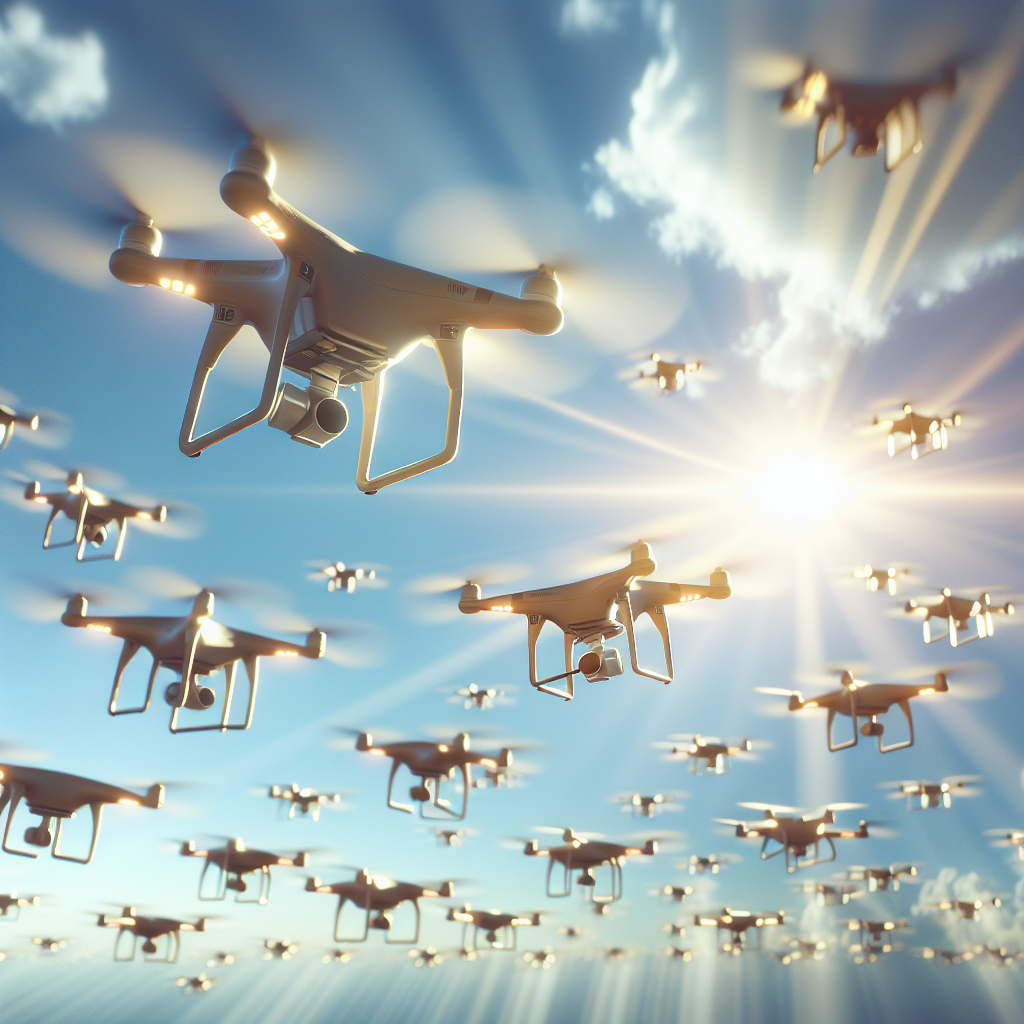
Swarm technology, inspired by the behavior of social insects, involves coordinating multiple drones to work collaboratively. This has the potential to revolutionize industries such as agriculture, surveillance, and disaster response. Swarms can cover larger areas, complete tasks more efficiently, and adapt to dynamic environments, offering a glimpse into the future of autonomous systems.
Environmental Monitoring and Conservation
Drones are increasingly being used for environmental monitoring and conservation efforts. They can collect data on wildlife populations, track deforestation, and monitor climate change impacts. This information is invaluable for researchers and policymakers working to protect the environment and address global challenges.
Conclusion
Drone technology is revolutionizing the skies, offering unprecedented opportunities for innovation and growth across various sectors. As we look to the future, it is essential to strike a balance between harnessing the potential of drones and addressing the regulatory, privacy, and safety challenges they present. By doing so, we can fully realize the transformative power of drones and their ability to reshape our world for the better.
#ChatGPT assisted in the creation of this article.
Share this content:


Post Comment