Master Dramatic Drone Cinematic Moves for Stunning Shots
Introduction to Drone Cinematic Movements
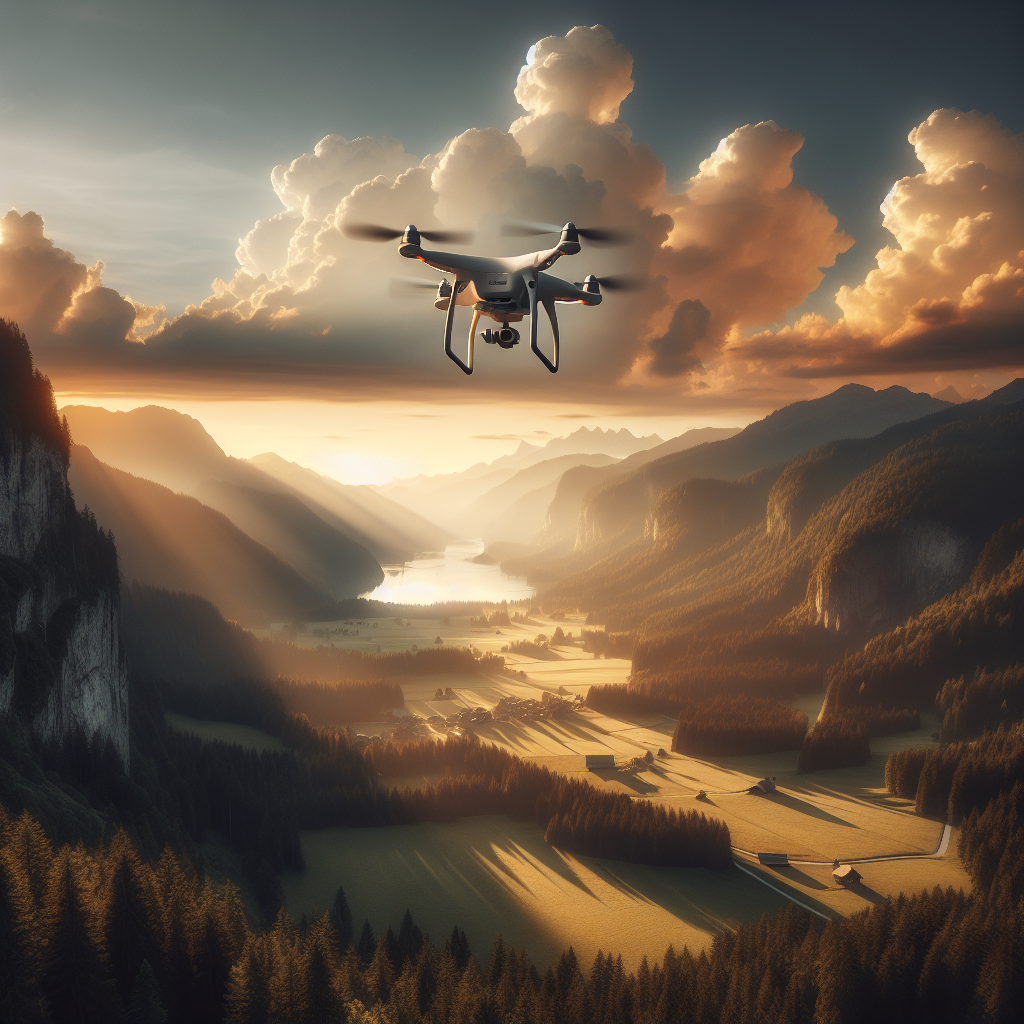
In the rapidly evolving world of aerial photography and videography, drones have emerged as a game-changing tool, enabling creators to capture breathtaking, cinematic shots from perspectives previously unimaginable. Aerial footage can add depth, drama, and a sense of awe to any project, but achieving those stunning shots requires mastering a variety of drone cinematic moves. This article will guide you through the essential techniques for crafting dramatic drone footage that captivates your audience.
Understanding Drone Cinematic Moves
Before diving into specific techniques, it’s crucial to understand what makes a drone move cinematic. Cinematic shots are characterized by their smoothness, precision, and ability to convey emotion or narrative. Unlike simple aerial shots, cinematic moves often involve complex maneuvers that require a deep understanding of your drone’s capabilities, as well as the environment you’re filming in.
Essential Equipment and Preparation
To master drone cinematic moves, having the right equipment and preparation is essential. Here’s what you need:
Choosing the Right Drone
Invest in a drone with a high-quality camera, stable flight capabilities, and intelligent flight modes. Models like the DJI Mavic Air 2, Phantom 4 Pro, or the Inspire 2 are popular choices among professionals for their reliability and advanced features.
Calibration and Settings
Ensure your drone is properly calibrated before each flight. This includes updating firmware, calibrating the compass, and setting the appropriate camera settings such as resolution, frame rate, and ISO. For cinematic shots, opt for 4K resolution and a higher frame rate to allow for smooth slow-motion effects.
Planning the Shot
Plan your shots meticulously. Use maps and apps to scout locations and determine the best flight paths. Consider factors such as lighting, weather conditions, and potential obstacles. Pre-visualize your shots by storyboarding or using flight simulation apps.
Mastering Basic Cinematic Moves
Before tackling advanced maneuvers, ensure you’re proficient with these basic cinematic moves:
1. The Reveal
The reveal is a classic cinematic move where the drone starts close to the subject, then gradually backs away to unveil the surrounding environment. This move creates a sense of discovery and grandeur.
2. The Orbit
Orbiting involves flying the drone in a circular path around a subject, maintaining a consistent distance and camera angle. This move adds dynamism to the shot and emphasizes the subject’s significance within its environment.
3. The Fly-Through
A fly-through involves maneuvering the drone through narrow spaces, such as between trees or buildings. It requires precise control and planning but results in highly immersive footage.
Advanced Cinematic Movements
Once you’ve mastered the basics, you can explore more advanced cinematic moves that add complexity and drama to your shots:
1. The Dolly Zoom
Popularized by Alfred Hitchcock, the dolly zoom involves simultaneously zooming in with the camera while flying the drone backward (or vice versa). This creates a disorienting yet captivating effect, making the background appear to change size in relation to the subject.
2. The Parallax Effect
Achieving the parallax effect involves moving the drone laterally while keeping the camera fixed on a subject. As the drone moves, the background shifts at a different rate than the foreground, creating a sense of depth and movement.
3. Top-Down Spiral
This move involves starting with a top-down view of the subject and then spiraling outwards while gradually tilting the camera up. It’s a complex move that requires precise control but results in a dramatic and revealing shot.
Combining Moves for Greater Impact
To elevate your aerial footage, consider combining multiple cinematic moves within a single shot. For example, start with a reveal, transition into an orbit, and finish with a fly-through. Such combinations add layers of interest and engagement to your footage.
Utilizing Intelligent Flight Modes
Most modern drones come equipped with intelligent flight modes that can assist in executing complex cinematic moves:
Waypoint Navigation
Use waypoint navigation to pre-program a flight path. This allows for precise control over the drone’s movement and ensures consistency across multiple takes.
ActiveTrack
ActiveTrack enables the drone to automatically follow and focus on a moving subject. This is particularly useful for capturing dynamic shots of people, vehicles, or animals.
Point of Interest
The Point of Interest mode allows the drone to circle around a designated subject while keeping the camera focused on it, simplifying the execution of orbit shots.
Post-Production: Enhancing Your Aerial Footage
Capturing stunning aerial footage is only part of the process. Post-production plays a significant role in transforming raw drone footage into polished cinematic masterpieces:
Color Grading
Color grading can dramatically enhance the mood and tone of your footage. Use software like Adobe Premiere Pro or DaVinci Resolve to adjust contrast, saturation, and color balance, giving your shots a professional look.
Stabilization
Even with careful piloting, slight shakiness may occur. Use stabilization tools in post-production to smooth out any unwanted jitters, ensuring your footage is as smooth as possible.
Sound Design
Incorporate sound design to enhance the emotional impact of your footage. Layer ambient sounds, music, and sound effects to create a more immersive viewing experience.
Safety and Legal Considerations
While capturing stunning drone footage, always prioritize safety and adhere to legal regulations:
Understanding Regulations
Familiarize yourself with local drone regulations, including flight restrictions, no-fly zones, and necessary permits. Many countries require drone pilots to be certified and to register their drones.
Environmental Awareness
Be mindful of the environment and wildlife when filming. Avoid disturbing natural habitats and respect privacy when flying in populated areas.
Conclusion: Elevating Your Aerial Videography
Mastering dramatic drone cinematic moves requires practice, patience, and creativity. By understanding and implementing these techniques, you can elevate your aerial videography to new heights, capturing stunning shots that captivate and inspire your audience. Remember, the key to successful aerial cinematography lies in meticulous planning, precise execution, and thoughtful post-production. With dedication and creativity, your drone footage can transform from ordinary to extraordinary, leaving a lasting impression on viewers.
#ChatGPT assisted in the creation of this article.
Share this content:


Post Comment