Revolutionizing Drone Battery Technology: Future Innovations Ahead
Introduction
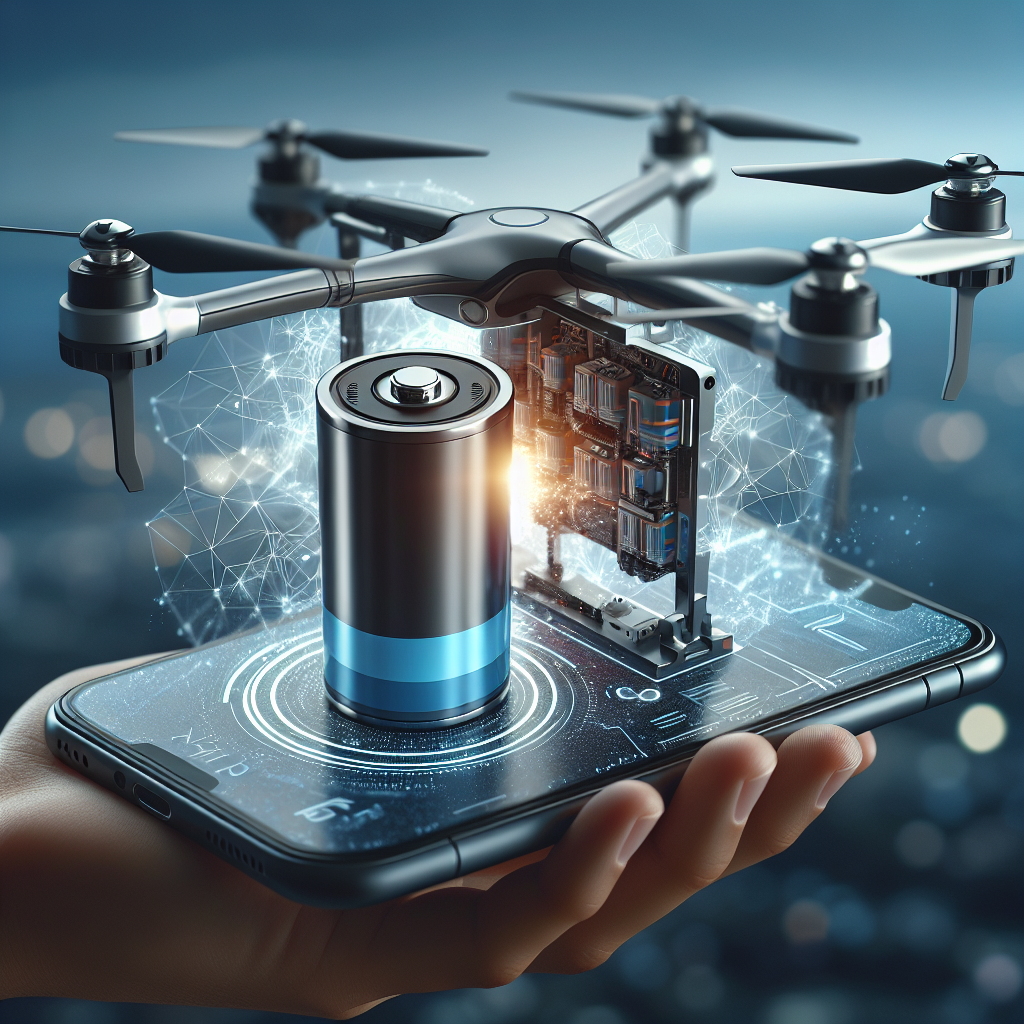
The drone industry has seen remarkable growth over the past decade, transforming various sectors including agriculture, logistics, photography, and defense. However, a significant challenge persists: battery life. As the demand for longer flight times and more powerful functionalities increases, the need for revolutionary advancements in drone battery technology becomes paramount. This article explores the current state of drone battery technology and delves into future innovations poised to transform the industry.
The Current State of Drone Battery Technology
Presently, most drones rely on lithium-polymer (LiPo) batteries due to their favorable energy density and discharge rates. LiPo batteries have enabled drones to achieve reasonable flight times and power, but they come with limitations. These batteries are often bulky, have a limited lifespan, and require significant charging time. Moreover, their performance can be significantly affected by environmental conditions such as temperature.
While advancements have been made in optimizing LiPo batteries, the incremental improvements are not sufficient to meet the growing demands of the industry. This has led researchers and companies to explore alternative technologies and innovative solutions that can offer significant enhancements in power efficiency, energy density, and overall performance.
Future Innovations in Drone Battery Technology
Solid-State Batteries
One of the most promising advancements in battery technology is the development of solid-state batteries. Unlike traditional LiPo batteries, which use liquid electrolytes, solid-state batteries utilize solid electrolytes. This change not only enhances safety by reducing the risk of leakage and flammability but also allows for higher energy densities.
Solid-state batteries promise to deliver longer flight times and faster charging, potentially revolutionizing the drone industry. Companies such as Toyota and QuantumScape are actively working on making these batteries commercially viable. With continued research and investment, solid-state batteries could become the standard for drone power systems within the next decade.
Hydrogen Fuel Cells
Hydrogen fuel cells represent another innovative approach to extending drone flight times and improving efficiency. By converting hydrogen gas into electricity, fuel cells offer a cleaner and more sustainable energy source compared to traditional batteries. This technology provides a significantly higher energy density, enabling drones to fly longer distances without the need for frequent recharging.
Companies like Intelligent Energy and Doosan Mobility Innovation are pioneering the integration of hydrogen fuel cells in drones. The adoption of this technology could redefine the landscape of drone operations, particularly for applications requiring extended flight durations such as delivery services and surveillance missions.
Graphene-Based Batteries
Graphene, a single layer of carbon atoms arranged in a two-dimensional lattice, has garnered attention for its exceptional electrical conductivity and mechanical strength. Researchers are exploring graphene-based batteries as a means to enhance drone performance. These batteries have the potential to offer faster charging times and higher energy densities than traditional LiPo batteries.
While still in the experimental phase, breakthroughs in graphene technology could lead to more efficient and durable batteries for drones. The lightweight nature of graphene also contributes to reducing the overall weight of drones, further enhancing their performance and flight capabilities.
Wireless Charging Systems
In addition to advancements in battery materials, wireless charging technology is poised to revolutionize how drones are powered. Wireless charging systems, utilizing resonant inductive coupling, allow drones to charge without the need for physical connections. This technology not only simplifies the charging process but also enables continuous operations through automated charging stations.
Companies like WiBotic are developing wireless charging solutions specifically for drones. These systems can be integrated into drone docking stations, enabling drones to recharge seamlessly between missions. As wireless charging technology matures, it could significantly enhance the efficiency and convenience of drone operations.
Challenges and Considerations
While these innovations hold great promise, there are challenges and considerations that need to be addressed. The development and commercialization of new battery technologies require substantial investment and research. Additionally, integrating new energy sources into existing drone architectures may necessitate redesigning components to optimize performance and safety.
Regulatory considerations also play a critical role in the adoption of new battery technologies. As the drone industry evolves, regulatory bodies must establish guidelines and standards to ensure the safe deployment and operation of drones powered by innovative energy sources.
Conclusion
The future of drone battery technology is poised for significant transformation. Solid-state batteries, hydrogen fuel cells, graphene-based batteries, and wireless charging systems represent just a few of the innovative solutions on the horizon. These advancements have the potential to overcome the limitations of current battery technologies, enabling drones to achieve longer flight times, enhanced performance, and greater operational efficiency.
As research and development efforts continue, collaboration between industry, academia, and regulatory bodies will be essential to realize the full potential of these innovations. The revolutionizing of drone battery technology is not only critical for the growth of the drone industry but also for unlocking new possibilities in various sectors that rely on drones for their operations.
#ChatGPT assisted in the creation of this article.
Share this content:


Post Comment