Master Safe Drone Landings: Essential Tips Revealed
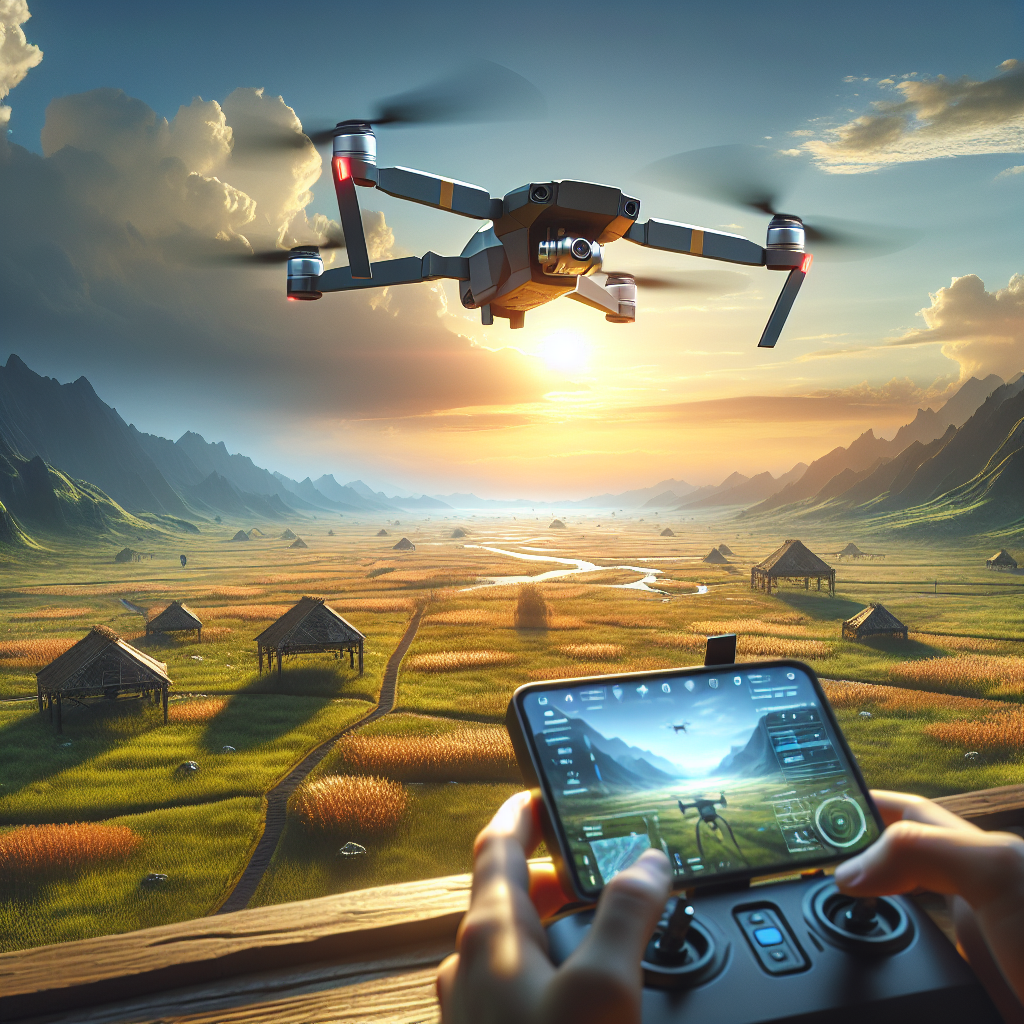
As drone technology continues to surge in popularity and accessibility, mastering the art of safe drone landings becomes a pivotal skill for enthusiasts and professionals alike. Whether you’re a beginner learning the ropes or an experienced pilot pushing the boundaries of drone capabilities, ensuring that your drone lands safely is paramount. This guide will uncover essential tips to help you master this crucial aspect of drone flying.
Understanding the Importance of Safe Landings
Safe landings are not just about preventing damage to your drone; they are crucial for maintaining the integrity of your equipment, ensuring safety for people and property, and prolonging the lifespan of your drone. Poor landing techniques can result in significant repair costs, potential legal issues, and even personal injury.
Pre-Flight Preparations
Preparation is the cornerstone of a successful flight and landing. Before taking off, ensure that you have a clear understanding of the flight environment. This includes:
Conducting a Site Survey
Examine the takeoff and landing area for obstacles, uneven terrain, or any potential hazards. Look for flat, open spaces that are free from debris, water, and people. Avoid landing on slopes, near tall grass, or in areas with significant dust or sand.
Checking Weather Conditions
Weather plays a critical role in drone operations. Strong winds, rain, and snow can compromise the stability of your drone during landing. Use reliable weather apps to check for any adverse conditions that could affect your flight.
Ensuring Equipment Functionality
Before each flight, perform a thorough check of your drone’s hardware and software. This includes calibrating the compass and IMU, ensuring the GPS signal is strong, and verifying that the battery is fully charged.
Executing a Controlled Descent
A controlled descent is key to a smooth landing. Here’s how to manage it effectively:
Reducing Speed Gradually
As you approach the landing zone, slow down your drone. A gradual reduction in speed will allow you to maintain control and make precise adjustments as needed.
Maintaining Stability
Ensure your drone remains stable by keeping it level and avoiding sudden movements. Use the yaw, roll, and pitch controls to maintain a steady position.
Using the Return-to-Home Feature
Most modern drones come equipped with a Return-to-Home (RTH) feature. This can be invaluable for ensuring a safe landing if you lose sight of your drone or experience a sudden issue. Familiarize yourself with this feature and set a safe RTH altitude to avoid obstacles.
Practicing Precision Landings
Precision landings are an advanced skill that can significantly enhance your drone piloting repertoire. Here are some techniques to perfect this skill:
Utilizing Visual Cues
Identify landmarks or use a landing pad to help gauge the perfect landing spot. This will improve your ability to judge distance and approach accurately.
Incorporating Automated Features
Many drones offer automated landing features that utilize sensors and cameras to assist in achieving a precise landing. Experiment with these features to understand their capabilities and limitations.
Practicing in Various Conditions
Gain experience by practicing landings in different environments and conditions. This includes varying terrains, lighting conditions, and altitudes to boost your confidence and adaptability.
Troubleshooting Common Landing Problems
Even with thorough preparation, issues can arise. Here’s how to troubleshoot common landing problems:
Bouncing Landings
This occurs when the drone bounces upon touching the ground, often due to excessive descent speed. Resolve this by practicing controlled descents and adjusting your throttle response.
Drifting During Landing
Drifting can be caused by wind or incorrect control inputs. Use gentle corrections and practice in calm conditions to reduce drift.
Sensor Malfunctions
If your drone relies on sensors for landing, ensure they are clean and functioning correctly. Regular maintenance and firmware updates can prevent sensor-related issues.
Post-Landing Procedures
After a successful landing, follow these steps to ensure your drone is ready for future flights:
Powering Down Safely
Turn off your drone and the controller to prevent accidental takeoffs. Remove the battery if you plan to store the drone for an extended period.
Conducting a Post-Flight Inspection
Check for any signs of wear or damage, especially to the propellers and landing gear. Address any issues promptly to avoid future complications.
Reviewing Flight Data
Many drones allow you to review flight data. Analyze this information to identify patterns or areas for improvement in your landing technique.
The Path to Mastery
Mastering safe drone landings requires patience, practice, and a willingness to learn from each flight. By following the tips outlined in this guide, you can enhance your skills and ensure that every landing is as smooth and safe as possible. Remember, the key to successful drone piloting lies in preparation, practice, and precision.
Whether you’re capturing breathtaking aerial footage or conducting complex industrial inspections, the ability to land your drone safely is a fundamental skill that will serve you well throughout your flying endeavors. Keep honing your skills, stay informed about the latest drone technologies, and always prioritize safety above all else.
#ChatGPT assisted in the creation of this article.
Share this content:




Post Comment