Mastering Drone Videography: A Comprehensive Guide
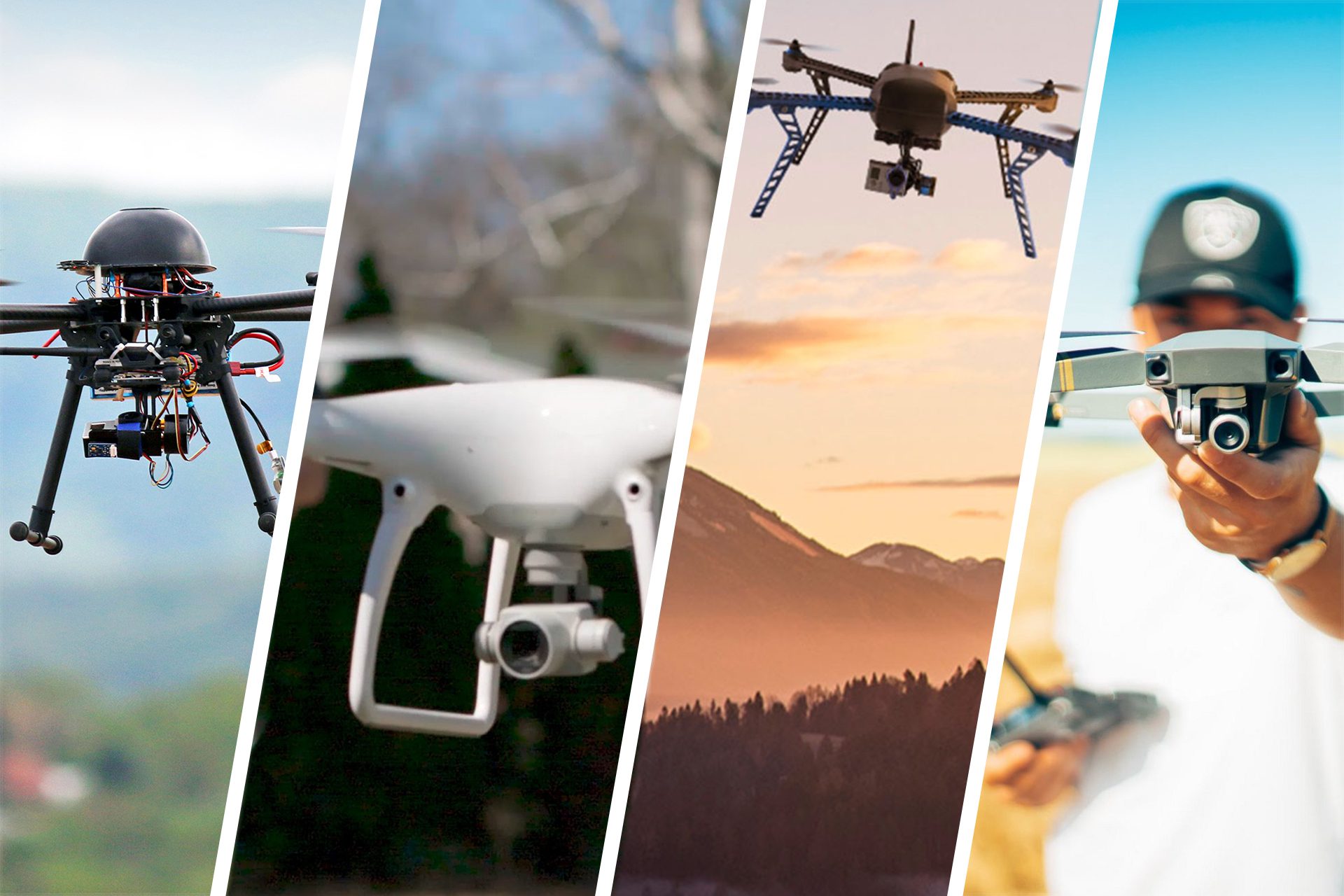
Drones have revolutionized the way we capture the world around us, providing breathtaking aerial perspectives that were once only possible with helicopters or cranes. As the technology becomes more accessible, mastering drone videography has become an essential skill for aspiring filmmakers and enthusiasts alike. This comprehensive guide will explore the intricacies of drone videography, from selecting the right equipment to mastering advanced techniques.
Choosing the Right Drone
Before you can start shooting, you need to choose the right drone for your needs. The market is flooded with options, ranging from budget-friendly models to high-end professional drones. When selecting a drone, consider factors like camera quality, battery life, range, and stability. Popular models such as the DJI Phantom series and the Mavic Air 2 offer excellent video quality and are user-friendly, making them ideal choices for beginners and professionals alike.
Camera Quality
The quality of your camera will significantly impact your footage. Look for drones equipped with at least a 4K camera and a three-axis gimbal to ensure smooth, high-resolution video. Consider sensors and lens options as well, as these can affect image quality and versatility.
Flight Time and Battery Life
Longer flight times allow for more extensive shooting sessions without frequent battery changes. Most drones offer flight times ranging from 20 to 30 minutes, so investing in additional batteries can be advantageous for extended shoots.
Mastering Flight Controls
Piloting a drone requires a combination of skill and practice. Understanding the controls and practicing maneuvers can help you achieve more dynamic shots.
Basic Controls
Familiarize yourself with the basic controls, including ascent, descent, forward, backward, and lateral movements. Practice these movements in an open area to build confidence.
Advanced Maneuvers
Once comfortable with basic controls, experiment with more advanced maneuvers such as orbits, tracking shots, and reveal shots. These techniques add cinematic flair to your footage and are essential for capturing engaging videos.
Understanding Composition and Framing
Just like traditional videography, composition and framing are crucial in drone videography. The aerial perspective offers unique opportunities to create striking compositions.
Rule of Thirds
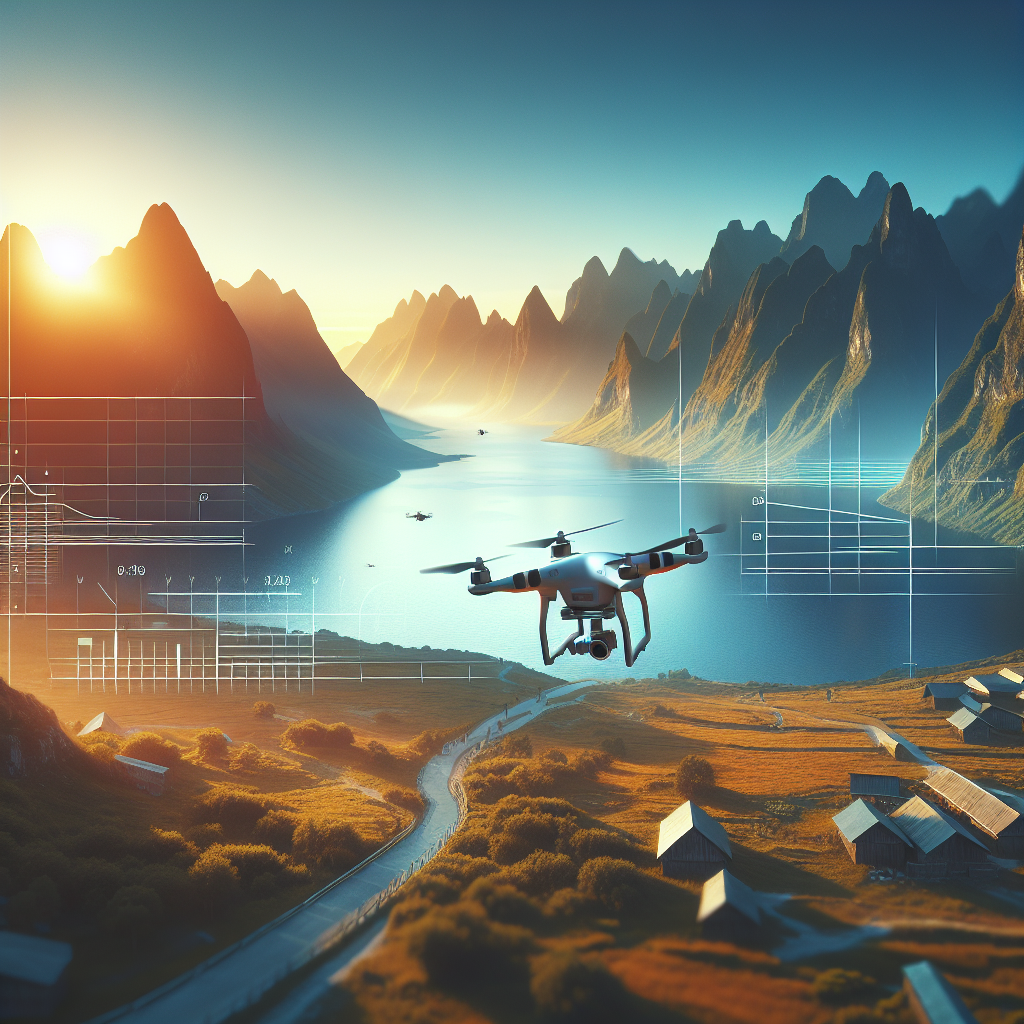
Apply the rule of thirds to create balanced and visually appealing shots. Imagine dividing your frame into a grid with two horizontal and vertical lines. Place key elements along these lines or at their intersections to enhance your composition.
Leading Lines
Utilize natural lines such as roads, rivers, or treetops to guide the viewer’s eye through the frame. Leading lines create depth and draw attention to the focal point of your video.
Shooting Techniques and Tips
Shooting with a drone requires a blend of technical knowledge and creative vision. Here are some techniques to elevate your drone videography:
Golden Hour Shooting
The golden hour—shortly after sunrise or before sunset—provides soft, warm lighting that enhances the visual appeal of your footage. Shooting during this time can create stunning, atmospheric videos.
Utilizing ND Filters
Neutral Density (ND) filters are essential for controlling exposure in bright conditions. They allow you to maintain a cinematic shutter speed while preventing overexposure, ensuring smooth and natural motion blur.
Slow and Steady Movements
Smooth, slow movements are crucial for cinematic drone shots. Rapid or jerky movements can be distracting and detract from the overall quality of your footage. Practice gentle inputs on the controls to maintain stability.
Post-Production and Editing
The post-production process is where your footage comes to life. Effective editing can transform raw clips into a compelling narrative.
Choosing the Right Software
Select a video editing software that suits your needs and skill level. Adobe Premiere Pro, Final Cut Pro, and DaVinci Resolve are popular choices, offering robust tools for color grading, stabilization, and more.
Color Grading and Correction
Color grading enhances the mood and tone of your video. Adjust the colors to create a cohesive look and feel, ensuring consistency across your footage. Correct any color imbalances to achieve a professional finish.
Incorporating Sound
Sound is a powerful tool for storytelling. Add background music, sound effects, and voiceovers to enhance the emotional impact of your video. Ensure that the audio complements the visuals and does not overpower them.
Legal and Safety Considerations
Drone videography is subject to regulations and safety guidelines to protect both operators and the public.
Understanding Regulations
Familiarize yourself with local drone regulations, including altitude limits, no-fly zones, and registration requirements. Adhering to these rules ensures safe and legal operation.
Safety Precautions
Prioritize safety by conducting pre-flight checks and maintaining line of sight with your drone. Avoid flying near crowds, buildings, or wildlife, and be mindful of weather conditions that could affect flight stability.
Conclusion
Mastering drone videography involves a combination of technical skills, creativity, and adherence to safety regulations. By choosing the right equipment, honing your piloting abilities, and understanding composition, you can elevate your videography to new heights. Whether you’re capturing stunning landscapes or dynamic action shots, the sky’s the limit with drone videography. As you continue to practice and experiment, you’ll discover new techniques and develop your unique style, ensuring that your aerial footage stands out in a crowded digital landscape.
Share this content:

Post Comment