Mastering Drone Landscape Photography: Tips for Stunning Shots
Introduction
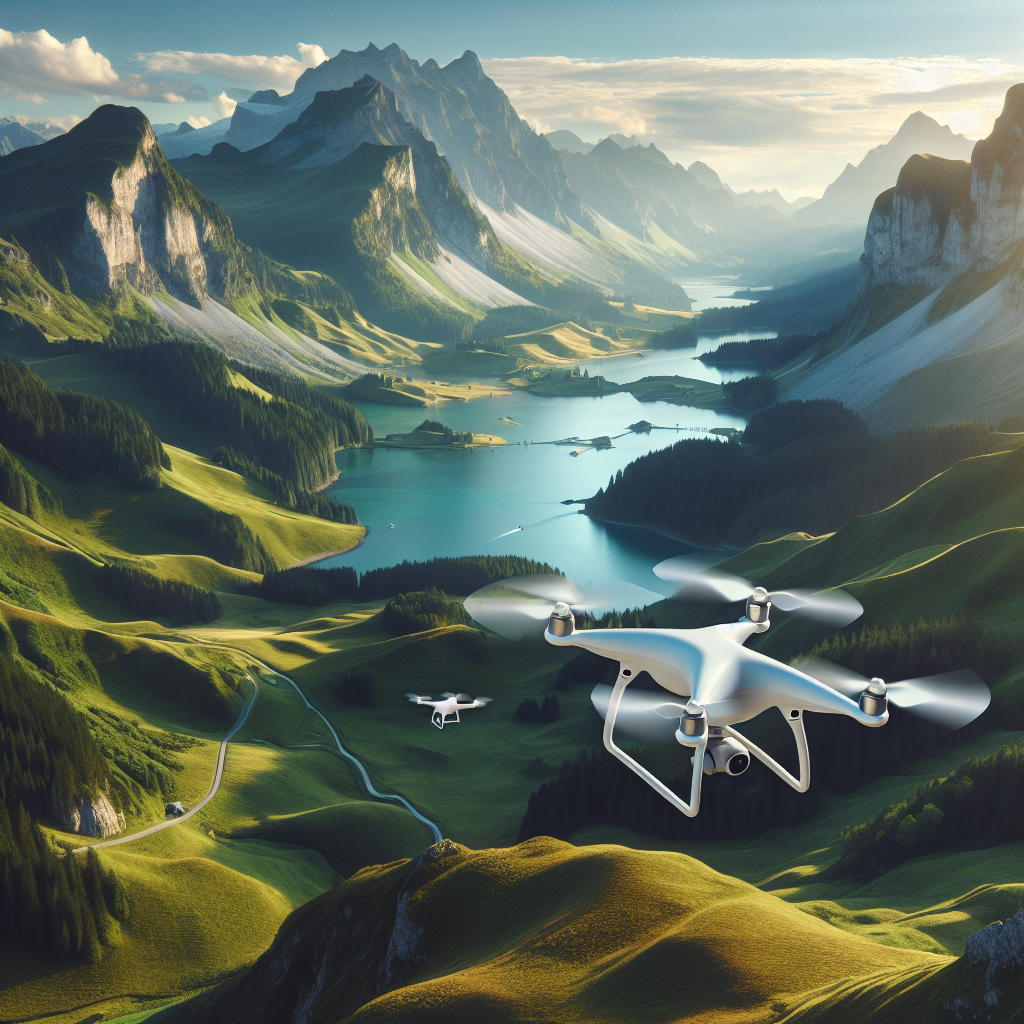
As technology advances, drones have transformed the landscape of photography, opening up a new realm of possibilities for capturing the world from above. Drone landscape photography allows photographers to explore perspectives that were once unreachable, offering unique and breathtaking views of our planet. However, mastering this art requires more than just flying a drone and snapping pictures. In this article, we’ll delve into the essential tips and techniques for capturing stunning drone landscape photography.
Choosing the Right Drone
The first step to mastering drone landscape photography is selecting the right equipment. Not all drones are created equal, and choosing one that suits your needs and skill level is crucial. Here are some factors to consider:
Camera Quality
The quality of the camera is the most important aspect when it comes to photography. Look for drones with high-resolution cameras capable of shooting in RAW format, as this will give you more flexibility in post-processing. Features like adjustable aperture, ISO settings, and shutter speed are also vital for controlling exposure and depth of field.
Stability and Flight Features
A stable drone ensures sharp images, especially in windy conditions. Opt for drones with advanced stabilization systems and GPS capabilities. Additionally, features such as obstacle avoidance and intelligent flight modes can greatly enhance your ability to capture complex shots safely.
Battery Life
Longer battery life means more time in the air capturing images. Look for drones that offer at least 20-30 minutes of flight time per battery charge, and consider investing in spare batteries for extended shoots.
Understanding Composition and Lighting
Just like traditional photography, composition and lighting are crucial elements in drone photography. Here are some tips to help you master these aspects:
Rule of Thirds
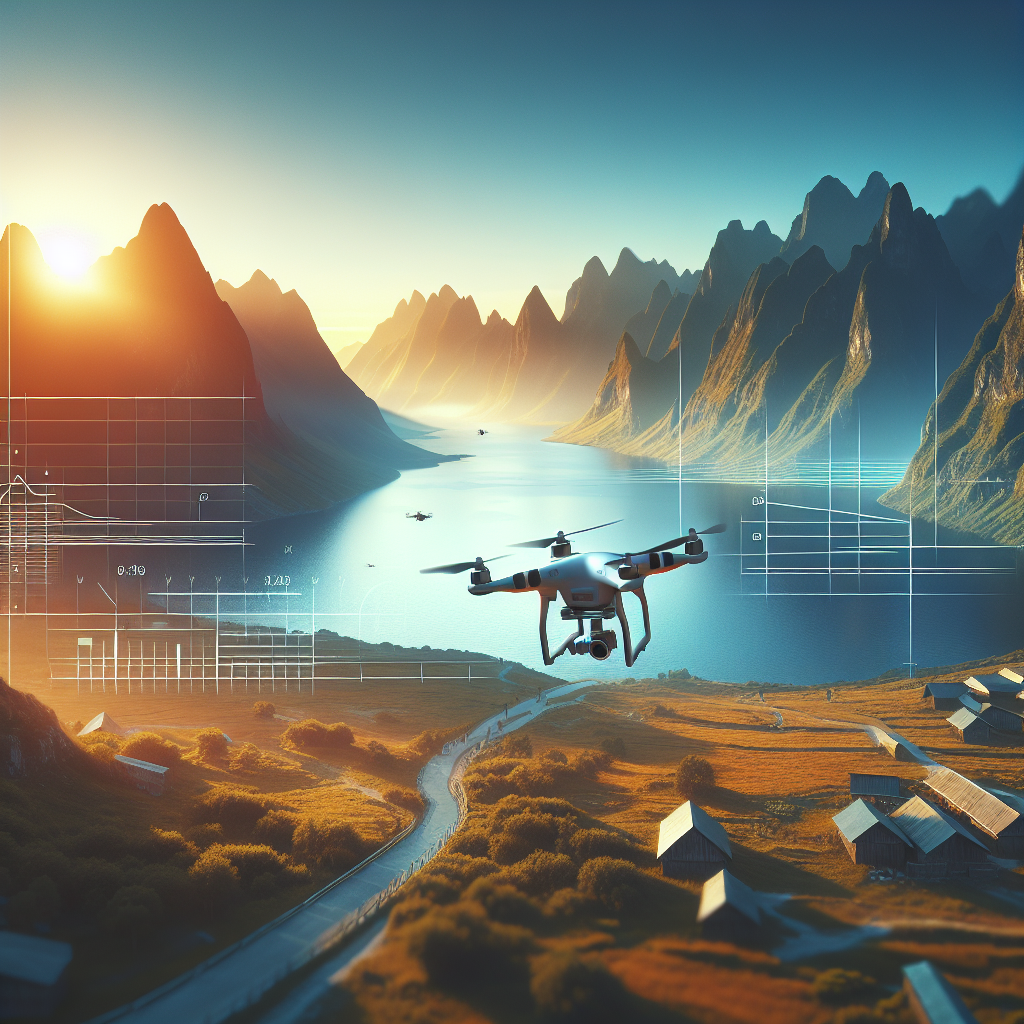
The rule of thirds is a fundamental principle in photography that can enhance the balance and interest of your shots. Imagine your frame divided into a 3×3 grid, and position key elements along these lines or at their intersections to create more dynamic compositions.
Leading Lines
Use natural lines in the landscape to guide the viewer’s eye through the image. Roads, rivers, and ridges can act as leading lines, adding depth and dimension to your photographs.
Golden Hour
The golden hour, shortly after sunrise or before sunset, provides soft, warm light that can enhance the colors and textures of a landscape. Plan your shoots during these times to capture stunning, atmospheric images.
Mastering Flight Techniques
Successfully navigating your drone to capture the best angles is a skill that takes practice and patience. Here are some flight techniques to consider:
Elevation and Perspective
Experiment with different elevations to find the most compelling perspective. Sometimes, a lower altitude shot can reveal details that are lost from higher up, while other times a bird’s-eye view can highlight the vastness of a landscape.
Orbiting
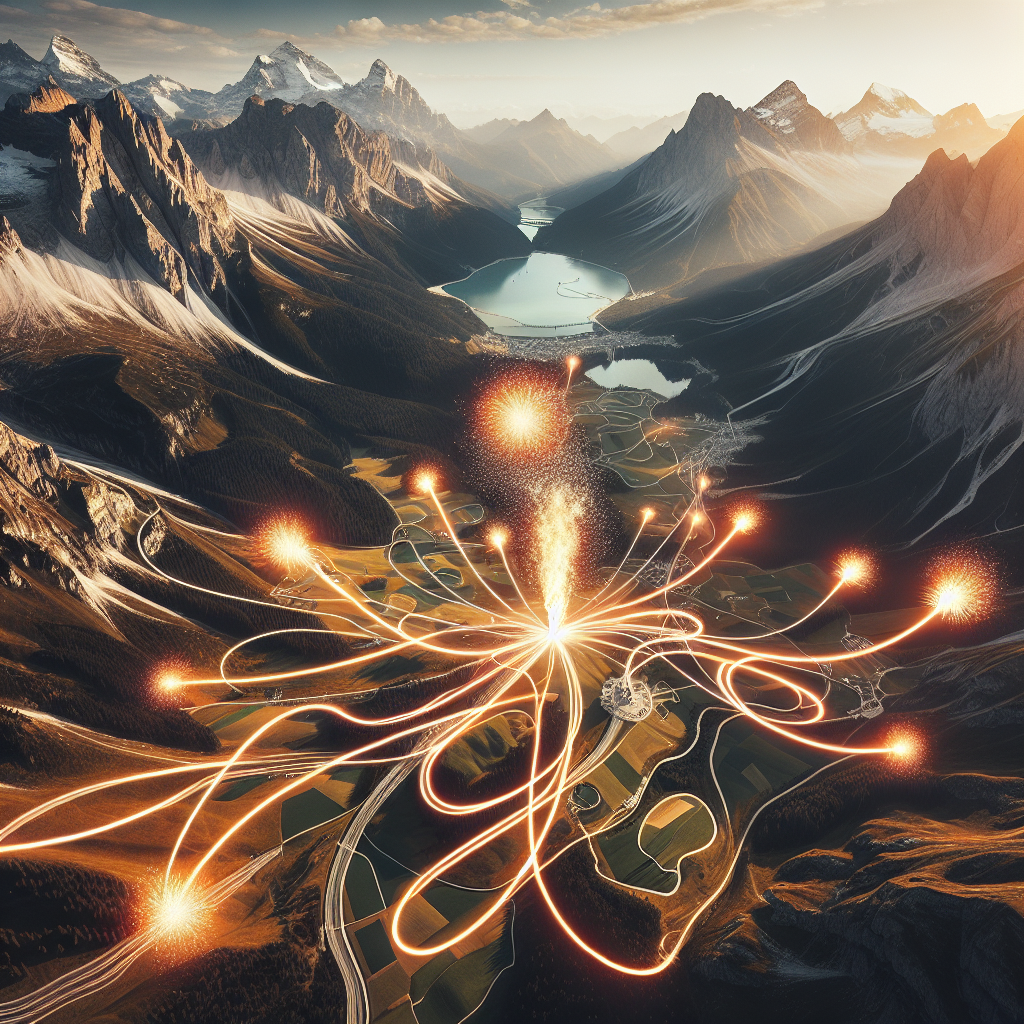
Orbiting around a subject can provide a 360-degree perspective and create dynamic and engaging compositions. Use your drone’s orbit mode or manually circle the subject for more control.
Panoramas
Drones are ideal for capturing panoramic images. Use your drone to take a series of overlapping shots and stitch them together in post-processing for wide, sweeping vistas.
Post-Processing Tips
Post-processing is an essential part of digital photography that allows you to enhance and refine your images. Here are some tips for getting the most out of your drone landscape photos:
Editing Software
Use professional editing software like Adobe Lightroom or Photoshop to manage and edit your photos. These tools offer a wide range of features for adjusting exposure, contrast, color balance, and more.
Color Grading
Color grading can significantly alter the mood and impact of your images. Experiment with different color palettes to find a style that resonates with your vision. Be mindful of maintaining natural tones, especially in landscapes.
Sharpening and Noise Reduction
Drones can sometimes introduce noise, especially in low-light conditions. Use noise reduction tools to clean up your images, and apply sharpening to bring out details, but avoid overdoing it to maintain a natural look.
Legal and Ethical Considerations
While drone photography can be incredibly rewarding, it’s important to adhere to legal and ethical guidelines to ensure the safety and privacy of others. Here are some considerations:
Regulations
Familiarize yourself with the drone regulations in your area, including altitude limits, no-fly zones, and necessary permits. Many countries require drone pilots to be licensed, so ensure you comply with the law.
Respect Privacy
Always respect the privacy of individuals when flying your drone. Avoid capturing images of private property or people without their consent, and be mindful of your drone’s noise levels.
Environmental Impact
Drones can disturb wildlife and fragile ecosystems. Fly responsibly and avoid sensitive areas, especially during breeding or nesting seasons.
Conclusion
Mastering drone landscape photography is a rewarding journey that combines technical skills, artistic vision, and respect for the environment. By choosing the right equipment, understanding composition and lighting, honing your flight techniques, and adhering to legal and ethical guidelines, you can capture stunning aerial images that showcase the beauty of our world from a new perspective. With practice and patience, you’ll be able to create breathtaking photographs that leave a lasting impression.
#ChatGPT assisted in the creation of this article.
Share this content:

Post Comment