Master Drone Panorama Photography for Stunning Aerial Views
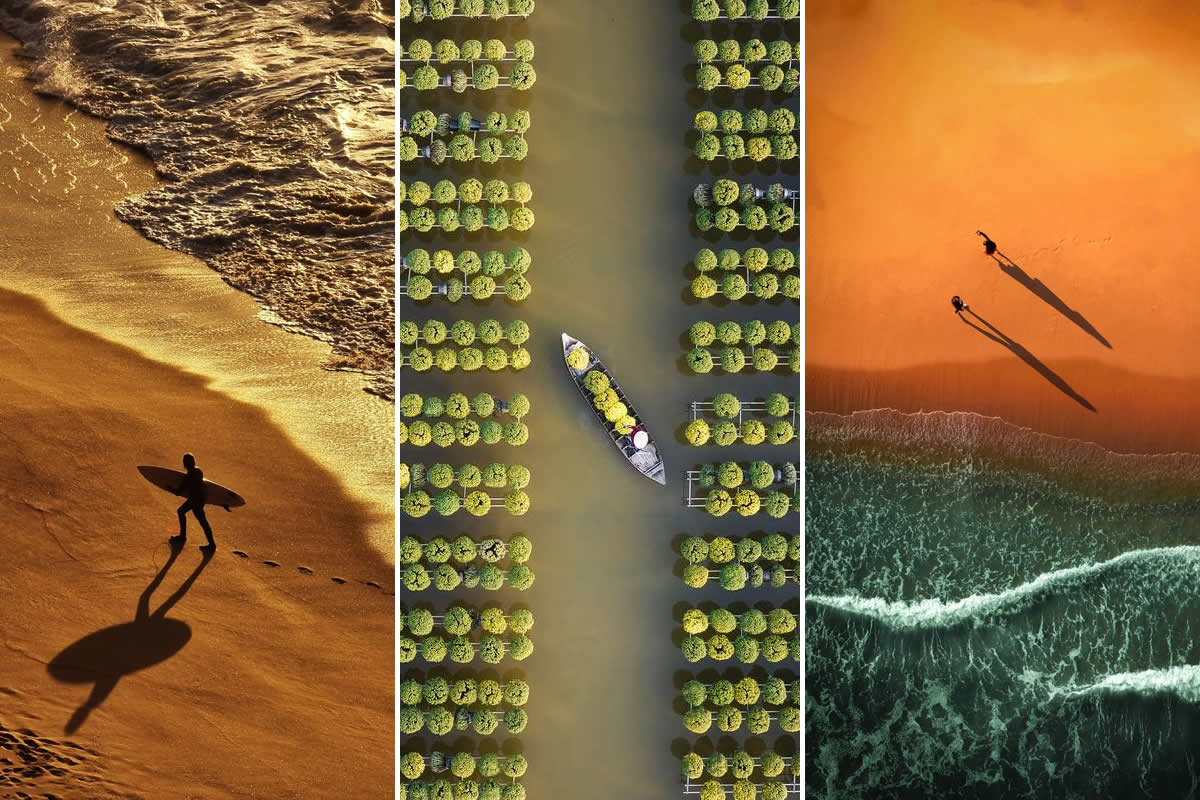
In recent years, drone photography has revolutionized the way we capture the world around us. Offering a unique vantage point, drones have become indispensable tools for photographers seeking to create awe-inspiring images. One of the most captivating techniques in drone photography is panorama photography, which stitches multiple images together to create breathtaking, wide-angle views. In this article, we will explore how to master drone panorama photography to capture stunning aerial views.
Understanding Drone Panorama Photography
Drone panorama photography involves taking multiple overlapping photos from a drone and stitching them together to form a single, expansive image. This technique allows photographers to capture scenes that are too wide to fit into a single frame, providing a sweeping view of landscapes, cityscapes, and other vast areas.
The Benefits of Drone Panorama Photography
Drone panorama photography offers several advantages:
- Enhanced Perspective: Panoramic images provide a wider field of view, capturing more of the scene and offering a perspective that standard photos cannot.
- Increased Detail: By stitching multiple high-resolution images, panoramas ensure that the final image is rich in detail.
- Creative Freedom: Photographers can experiment with different compositions and angles to create unique and compelling images.
Essential Equipment for Drone Panorama Photography
To execute drone panorama photography effectively, you’ll need the right equipment and tools. Here’s what you’ll need:
Choosing the Right Drone
The first step is selecting a drone that suits your needs. Look for a drone with:
- High-Resolution Camera: A camera with a high megapixel count will capture more detail, which is crucial for panorama photography.
- Stable Flight: A drone with good stability and GPS capabilities will help maintain consistent positioning during shooting.
- Panorama Modes: Some drones come with built-in panorama modes, making the process more straightforward.
Post-Processing Software
Once you have captured your images, you’ll need software to stitch them together. Popular choices include Adobe Lightroom, Adobe Photoshop, and PTGui. These programs offer tools to align, blend, and correct your images, resulting in a seamless panorama.
Preparation and Planning
Proper preparation is key to successful drone panorama photography. Before you take off, consider the following:
Scout the Location
Before heading out, research your chosen location. Understand the topography, lighting conditions, and potential obstacles. Visiting the site in person can help you identify the best vantage points and plan your shots.
Check the Weather
Weather conditions can greatly affect your drone photography. Look for clear skies with minimal wind to ensure stable flight and optimal lighting. Cloudy conditions can add drama to your shots, but be mindful of rain or strong winds that could jeopardize your equipment.
Plan Your Shots
Consider the composition and framing of your panorama. Decide whether you want to capture a horizontal, vertical, or 360-degree panorama. Plan the sequence of shots to ensure adequate overlap between images, typically around 20-30%.
Capturing the Panorama
Once you have prepared, it’s time to capture your panorama. Follow these steps for the best results:
Set Up Your Drone
Position your drone at the desired altitude and ensure it’s stable. Use GPS and altitude hold features to maintain a consistent position during shooting.
Adjust Camera Settings
Set your camera to manual mode to maintain consistent exposure across all shots. Adjust the ISO, shutter speed, and aperture based on the lighting conditions. It’s essential to keep these settings consistent to ensure seamless stitching.
Capture the Images
Start capturing images, moving the drone horizontally or vertically to cover the entire scene. Ensure each shot overlaps with the previous one by around 20-30% to aid the stitching process.
Use Panorama Modes
If your drone has a built-in panorama mode, take advantage of it. This feature automates the process, capturing and aligning the images for you, reducing the potential for errors.
Post-Processing and Stitching
After capturing your images, the next step is to stitch them together to create the final panorama.
Import and Organize
Import your images into your chosen post-processing software. Organize them sequentially to make the stitching process smoother.
Stitch the Images
Use the stitching feature in your software to combine the images. Most programs will automatically align and blend the images, but you may need to make manual adjustments for the best results.
Edit and Enhance
Once stitched, edit your panorama to enhance its appearance. Adjust contrast, brightness, and saturation to bring out the details. Correct any distortion or vignetting that may have occurred during stitching.
Showcasing Your Work
With your stunning panorama complete, it’s time to share it with the world. Consider the following options:
Online Platforms
Share your work on social media platforms and photography websites. Platforms like Instagram and Flickr are excellent for reaching a broad audience.
Print and Display
Consider printing your panorama on high-quality paper or canvas. Large-format prints can make a striking impression, whether displayed in a gallery or your home.
Create a Portfolio
Build a portfolio of your panorama work to showcase your skills to potential clients or collaborators. A professional portfolio can open doors to new opportunities in photography.
Conclusion
Mastering drone panorama photography requires a combination of technical skill, creativity, and preparation. By understanding the equipment, planning your shots, and perfecting your post-processing techniques, you can create stunning aerial views that captivate viewers. As you continue to practice and refine your skills, you’ll discover new ways to push the boundaries of what’s possible with drone photography. Whether you’re capturing sweeping landscapes or bustling cityscapes, drone panorama photography offers a unique and rewarding way to explore the world from above.
Share this content:

Post Comment