Master Drone Control: Essential Tips for Beginners
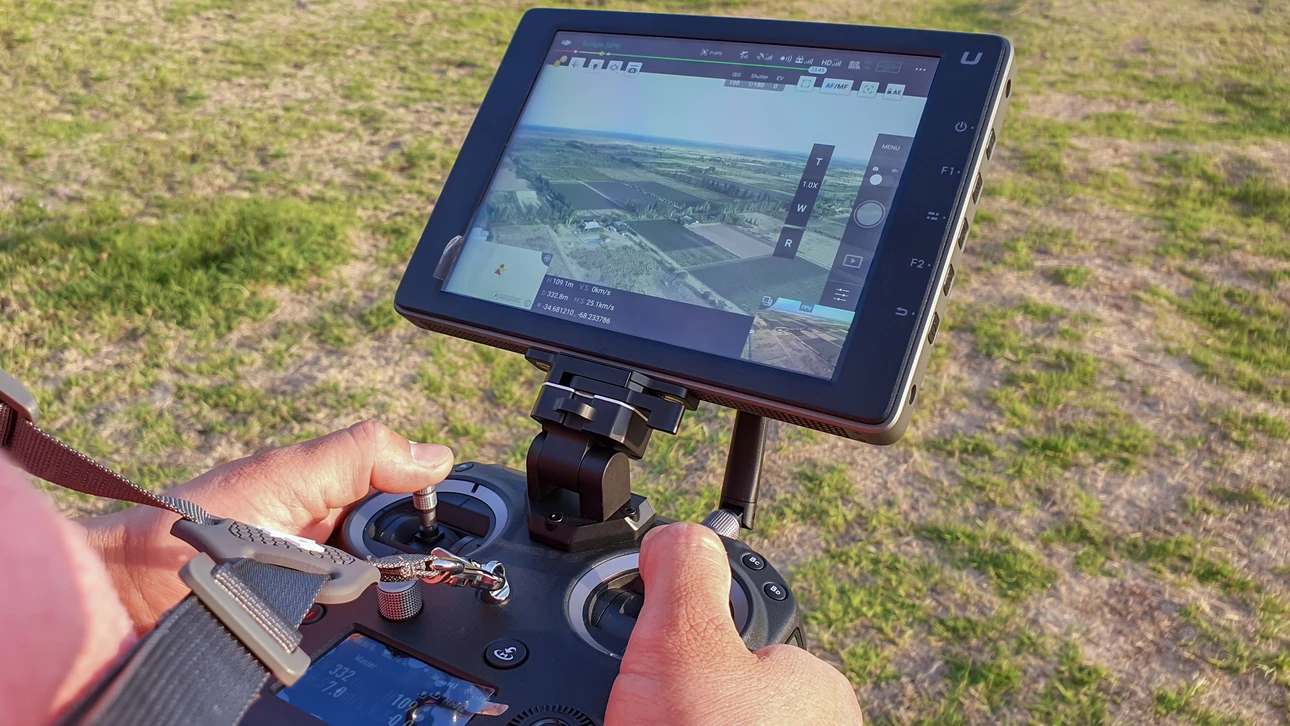
Drones have revolutionized the way we capture images, conduct surveillance, and enjoy recreational flying. However, mastering drone control can be a daunting task for beginners. This comprehensive guide will provide you with essential tips to enhance your skills and ensure a safe and enjoyable flying experience.
Understanding Your Drone
Before taking to the skies, it’s crucial to understand your drone. Familiarize yourself with the manual and specifications of your model. Here are some key components you should be aware of:
Types of Drones
Drones come in various shapes and sizes, each designed for specific purposes. As a beginner, you’ll likely start with a quadcopter. These drones are known for their stability and ease of control, making them ideal for novice pilots.
Drone Components
– **Propellers**: These are responsible for lift and movement. Ensure they are securely attached before flight.
– **Motors**: These drive the propellers and are crucial for flight.
– **Battery**: Provides power to the drone. Always monitor battery levels to prevent crashes.
– **Controller**: Your primary interface for controlling the drone.
Pre-Flight Preparation
Preparation is key to a successful flight. Here are steps to follow before taking off:
Check Regulations
Familiarize yourself with local drone regulations. Many countries require drone registration and adherence to specific flight rules to ensure safety and privacy.
Inspect Your Drone
Perform a thorough inspection of your drone. Check for any visible damage to the propellers, body, and other components. Ensure the battery is fully charged and properly installed.
Choose a Suitable Flying Area
Select an open area free of obstructions such as trees, power lines, and buildings. Avoid crowded places to minimize risks and adhere to privacy laws.
Weather Conditions
Check the weather forecast. Avoid flying in adverse conditions such as high winds, rain, or fog, which can affect your drone’s performance and safety.
Basic Drone Controls
Understanding the basic controls is essential for mastering drone flight. Here are the primary controls you’ll use:
Throttle
The throttle controls the drone’s altitude. Pushing the throttle stick forward increases altitude, while pulling it back decreases it.
Yaw
Yaw controls the rotation of the drone. Moving the yaw stick left or right rotates the drone in the respective direction.
Pitch
Pitch tilts the drone forward or backward. This control is used for moving the drone forward or backward.
Roll
Roll tilts the drone left or right, allowing it to move sideways.
Mastering the Basics
Once you understand the controls, practice basic maneuvers to build your confidence and skills.
Hovering
Hovering is the ability to keep your drone in a fixed position in the air. Practice maintaining a steady hover to improve your control precision.
Takeoff and Landing
Practice smooth takeoffs and landings. Start with short flights, focusing on gentle ascents and descents.
Figure Eights
Once comfortable with basic maneuvers, practice flying in a figure-eight pattern. This exercise helps improve your control and coordination.
Advanced Maneuvers
As you gain confidence, try more advanced maneuvers to enhance your flying skills.
Orbit
The orbit maneuver involves flying in a circular path around a fixed point. This is useful for capturing dynamic footage and requires precise control of yaw and pitch.
Return to Home
Most drones come equipped with a return-to-home feature. Practice using this function to ensure you can safely retrieve your drone in case of emergencies or low battery.
Ensuring Safety
Safety should always be your top priority when flying a drone. Here are some tips to ensure a safe flying experience:
Maintain Line of Sight
Always keep your drone within your line of sight. This will help you maintain control and avoid collisions.
Avoid No-Fly Zones
Respect no-fly zones such as airports, military bases, and other restricted areas. Use apps or maps to identify these zones before flying.
Monitor Battery Levels
Keep a close eye on your drone’s battery levels. Plan your flight to ensure you have enough battery to return safely.
Troubleshooting Common Issues
Even experienced pilots encounter issues. Here are some common problems and solutions:
Loss of Control
If your drone becomes unresponsive, try resetting the controller and re-establishing the connection. If the problem persists, land the drone safely and inspect for damage.
GPS Signal Loss
GPS is crucial for navigation. If you lose GPS signal, switch to manual mode and fly the drone back to a safe location.
Propeller Damage
Damaged propellers can affect flight stability. Regularly inspect and replace them as needed.
Conclusion
Mastering drone control requires practice, patience, and a commitment to safety. By understanding your drone, practicing basic and advanced maneuvers, and adhering to safety guidelines, you can become a proficient drone pilot. Enjoy the thrill of flying and the unique perspectives drones offer, but always remember to fly responsibly.
Share this content:



Post Comment