Master Drone Airspace Rules: Key Guidelines Explained
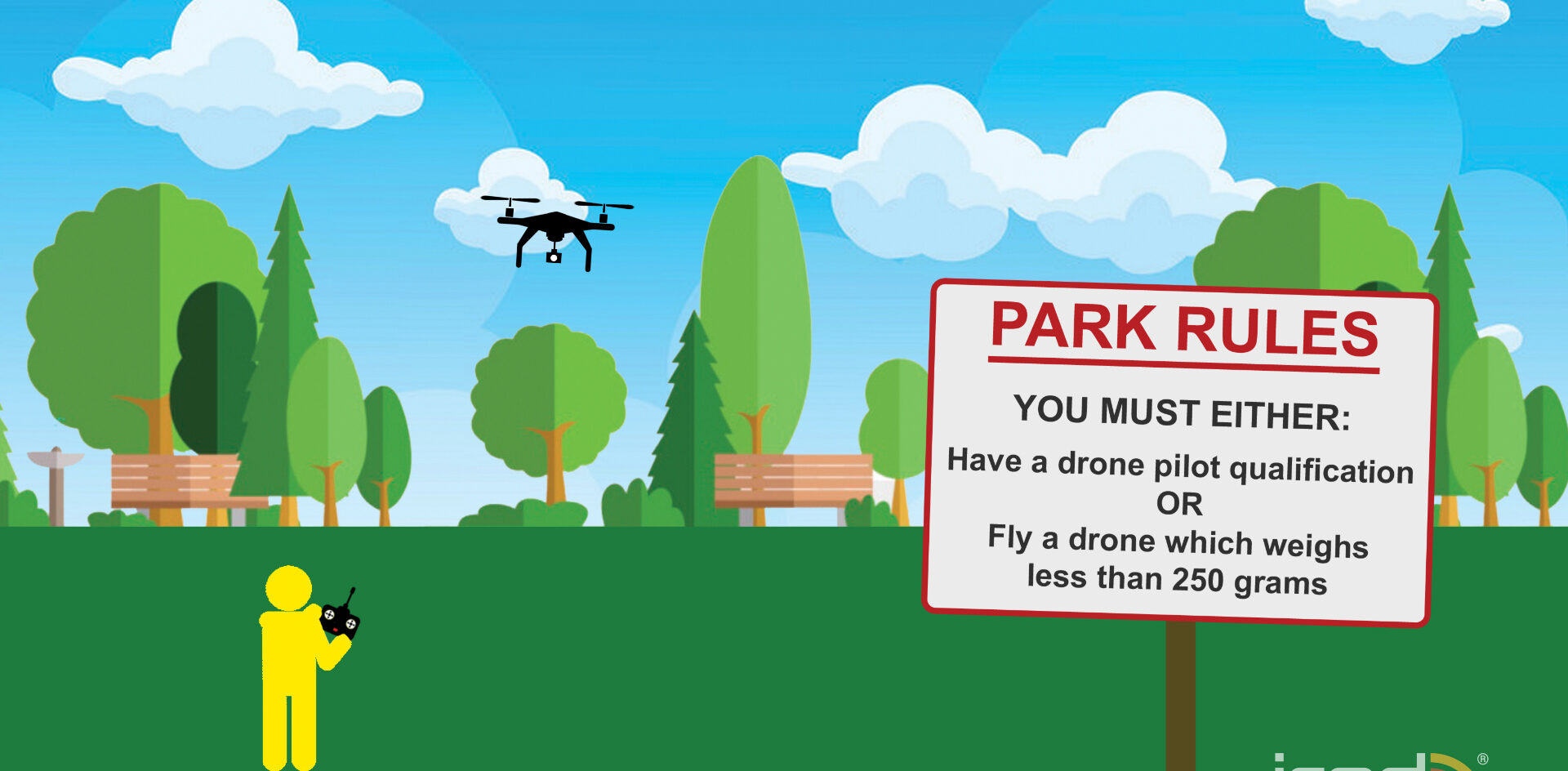
Drones have revolutionized various industries, from agriculture and construction to entertainment and emergency services. As drone technology advances, the skies are becoming increasingly congested, necessitating a comprehensive framework to manage airspace effectively. Understanding drone airspace rules is crucial for operators to ensure safety, compliance, and efficient usage of this technology. This article delves into the key guidelines that master drone airspace rules, providing insights into the complexities and necessities of drone regulation.
The Importance of Airspace Regulations
The primary objective of airspace regulations is to maintain safety and order in the skies. With the proliferation of drones, there is a significant risk of collision with manned aircraft, interference with emergency services, and invasion of privacy. Regulations serve to mitigate these risks by establishing clear guidelines for where, when, and how drones can operate. Beyond safety, these rules also help in standardizing operations across different jurisdictions, facilitating smoother integration of drones into the national airspace.
Classification of Airspace
Understanding the classification of airspace is fundamental for drone operators. Airspace is generally categorized into controlled and uncontrolled areas, each with different requirements and restrictions.
Controlled Airspace
Controlled airspace is managed by air traffic control (ATC) services and is typically found around airports and high-traffic corridors. Drone operations in these areas require special permissions and adherence to strict protocols to prevent conflicts with manned aircraft. This includes obtaining air traffic control clearance and possibly operating under specific conditions or at designated times.
Uncontrolled Airspace
Uncontrolled airspace, while still subject to regulations, offers more freedom for drone operators. However, operators must still adhere to the basic guidelines set forth by aviation authorities, such as maintaining a visual line of sight and not exceeding altitude restrictions.
Understanding No-Fly Zones
No-fly zones are areas where drone operations are prohibited or heavily restricted due to security concerns or safety hazards. These include military installations, critical infrastructure, and certain public areas. Violating no-fly zones can result in severe penalties, including fines and legal action.
Temporary Flight Restrictions (TFRs)
In addition to permanent no-fly zones, temporary flight restrictions may be imposed for specific events or emergencies. These could include natural disaster sites, large public gatherings, or VIP movements. Operators must be aware of any TFRs in their area of operation and adjust their flight plans accordingly.
Altitude and Speed Limits
To ensure safety and minimize the risk of collision, drones are subject to altitude and speed limits. Generally, drones should not fly above 400 feet above ground level (AGL) unless granted special permission. Speed limits may vary depending on the region and type of operation but are typically set to prevent reckless or intrusive flying.
Visual Line of Sight (VLOS)
One of the fundamental rules for drone operation is maintaining a visual line of sight. This means the operator must be able to see the drone at all times without the aid of visual enhancement devices (binoculars, for instance). This rule is crucial for avoiding obstacles, other aircraft, and ensuring the drone is operating as intended.
Beyond Visual Line of Sight (BVLOS)
While VLOS is the standard, advancements in technology have led to increased interest in BVLOS operations, where the drone is operated beyond the visual range of the pilot. BVLOS operations require special permits, advanced equipment, and rigorous safety protocols to ensure they do not compromise the safety of the airspace.
Nighttime Operations
Operating drones at night poses additional challenges and risks. While generally restricted, nighttime operations are permitted under certain conditions. Operators must equip their drones with appropriate lighting to ensure visibility and collision avoidance. Additionally, they may need to demonstrate the ability to mitigate risks associated with reduced visibility and slower response times.
Registration and Licensing
Most jurisdictions require drones to be registered with the relevant aviation authority. Registration helps in tracking and accountability, ensuring that all drones in the airspace are accounted for. Additionally, operators may need to obtain a pilot’s license or certification, depending on the weight and purpose of the drone.
Insurance Requirements
Insurance is an important aspect of drone operation, protecting operators against liability in case of accidents or damage. Many countries mandate a minimum level of insurance coverage for drone operations, especially for commercial use. Operators should ensure they are adequately insured to cover potential risks associated with their operations.
Privacy and Data Protection
As drones can capture high-resolution images and video, privacy concerns are paramount. Operators must respect individuals’ privacy rights and adhere to data protection regulations. This includes avoiding operations in areas where individuals may expect privacy and ensuring that any data collected is stored and used in compliance with legal standards.
Emerging Technologies and Future Considerations
The rapid pace of technological advancement in the drone industry presents both opportunities and challenges for airspace regulation. Emerging technologies such as autonomous drones and unmanned traffic management (UTM) systems promise to enhance safety and efficiency but also necessitate updates to existing regulations.
Autonomous Drones
Autonomous drones, capable of operating without direct human intervention, are on the horizon. These drones will need sophisticated systems to detect and avoid obstacles, communicate with other aircraft, and adhere to airspace rules. Regulatory frameworks must evolve to accommodate these advancements while maintaining safety standards.
Unmanned Traffic Management (UTM)
UTM systems are being developed to manage the increasing number of drones in the airspace. These systems aim to provide real-time traffic management, enabling drones to operate safely alongside manned aircraft. The successful implementation of UTM systems will require collaboration between regulators, technology providers, and operators.
Conclusion
Mastering drone airspace rules is essential for safe and compliant operations. As the drone industry continues to grow, operators must stay informed about the latest regulations and best practices. By understanding and adhering to airspace classifications, no-fly zones, altitude limits, and other guidelines, drone operators can contribute to a safer and more efficient airspace for all users. As technology evolves, ongoing dialogue between regulators, industry stakeholders, and the public will be crucial in shaping the future of drone operations.
Share this content:


Post Comment