Understanding Night Flying Laws for Drones
Introduction
The advent of drone technology has revolutionized many sectors, from photography and filmmaking to agriculture and emergency response. With the increasing capabilities of drones, enthusiasts and professionals alike are eager to explore their potential during nighttime operations. However, flying drones at night comes with its own set of challenges and legal stipulations. This article delves into the intricacies of night flying laws for drones, offering a comprehensive guide for drone operators to ensure they comply with regulations while taking full advantage of nighttime capabilities.
The Appeal of Night Flying
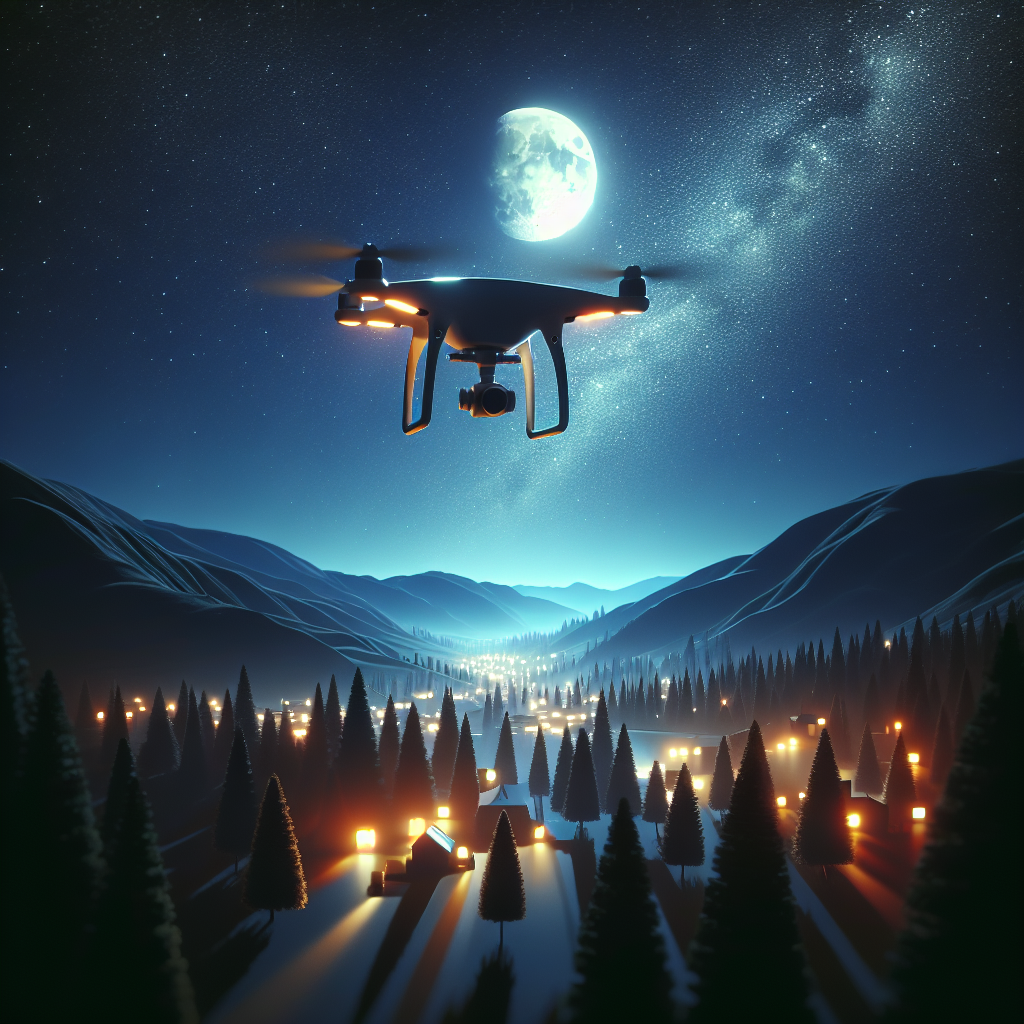
Night flying offers unique opportunities for drone operators. The beauty of illuminated cityscapes, the tranquility of nighttime landscapes, and the potential for capturing rare nocturnal events make night flights alluring. Moreover, certain professional applications, such as search and rescue operations, require night flights to maximize effectiveness. Despite these benefits, flying drones at night without proper understanding and compliance with laws can lead to significant legal repercussions.
Regulatory Framework for Night Flying
The legal framework governing drone operations varies from country to country. However, most nations have specific provisions for nighttime drone flights. In the United States, for instance, the Federal Aviation Administration (FAA) oversees drone regulations, including night operations.
FAA Regulations
The FAA’s Part 107 rules form the foundation of drone regulation in the United States. Under these rules, operators must adhere to specific guidelines to fly drones at night legally:
– **Nighttime Waiver**: Initially, Part 107 required drone operators to obtain a waiver to fly at night. However, as of April 2021, the FAA updated Part 107 to allow night flights without a waiver, provided certain conditions are met.
– **Anti-Collision Lighting**: Drones must be equipped with anti-collision lights visible for at least three statute miles. These lights must be operational during the entire flight to ensure the drone is visible to other aircraft.
– **Remote Pilot Certification**: Operators must hold a Remote Pilot Certificate. As part of this certification, they need to complete updated training that includes night operation guidelines.
European Union Aviation Safety Agency (EASA) Regulations
In Europe, the EASA regulates drone operations. The regulations for night flights under the EASA framework include:
– **Operational Authorization**: Drones flying at night must have operational authorization if they fall under the ‘Specific’ category. Operators need to demonstrate that they can mitigate risks associated with night operations.
– **Lighting Requirements**: Similar to the FAA, drones must be equipped with adequate lighting to ensure visibility to others.
– **Pilot Competency**: Operators should undergo specific training and demonstrate competency in handling drones at night.
Other Countries
Many other countries have similar regulations, emphasizing lighting requirements, pilot certification, and sometimes requiring special permits or waivers. Drone operators should consult local aviation authorities for detailed regulations specific to their region.
Challenges of Night Flying
While night flying opens up new possibilities, it also presents unique challenges:
Reduced Visibility
The most apparent challenge of night flying is reduced visibility. It is more difficult to spot obstacles, assess distances, and maintain situational awareness. Operators need to rely more on instrumentation and less on visual cues.
Increased Risk of Accidents
The likelihood of accidents increases at night due to diminished visibility and potential for disorientation. Adequate lighting on the drone is crucial, but operators must also be vigilant in maintaining a safe flight path.
Weather Considerations
Weather conditions can be more challenging to assess at night. Fog, cloud cover, and sudden changes in weather can occur without warning, making it imperative for operators to plan ahead and stay informed about weather forecasts.
Best Practices for Night Flying
To mitigate risks and ensure compliance with regulations, drone operators should adhere to best practices for night flying:
Pre-Flight Planning
– **Route Planning**: Plan the flight route in advance, taking into account potential obstacles and restricted areas.
– **Weather Check**: Conduct thorough weather checks and be prepared to cancel or postpone the flight if conditions are unfavorable.
– **Equipment Check**: Ensure all equipment, especially lighting, is fully operational and charged.
Enhancing Visibility
– **High-Quality Lighting**: Invest in high-quality, bright anti-collision lights that are visible from all angles.
– **Reflective Gear**: Consider using reflective tape or paint on the drone to enhance visibility further.
Training and Simulation
– **Simulator Training**: Utilize flight simulators to practice night flying scenarios. This helps build confidence and familiarity with handling the drone in low-light conditions.
– **Pilot Collaboration**: Consider flying with a co-pilot or spotter who can assist in maintaining situational awareness.
Safety Protocols
– **Emergency Procedures**: Establish clear emergency procedures and protocols for night flying. This includes having a plan for dealing with unexpected technical failures or loss of visibility.
– **Communication**: Maintain open communication channels with any team members involved in the operation.
Technological Advancements in Night Flying
As drone technology continues to advance, new tools and features are emerging to aid night flying. Innovations such as thermal imaging cameras, enhanced GPS systems, and advanced obstacle detection sensors are making night operations safer and more efficient. Keeping abreast of these technological advancements can provide drone operators with an edge in executing complex night missions.
Conclusion
Understanding and adhering to night flying laws for drones is crucial for any operator looking to explore the opportunities that nighttime operations offer. While the thrill and utility of flying drones at night are undeniable, it is imperative to prioritize safety and compliance with regulations. By following best practices and leveraging technological advancements, drone operators can safely and effectively unlock the full potential of night flying.
References
– Federal Aviation Administration (FAA) Part 107 Regulations
– European Union Aviation Safety Agency (EASA) Drone Regulations
– Local Aviation Authorities Guidelines
#ChatGPT assisted in the creation of this article.
Share this content:


Post Comment