Understanding Drone Remote ID: A Comprehensive Guide
The rapid advancement of drone technology has brought about significant improvements in various sectors, from agriculture and entertainment to surveillance and delivery services. However, the increasing number of drones in the sky also poses safety, security, and privacy challenges. To address these challenges, regulatory bodies have introduced the concept of Drone Remote ID, a system designed to enhance accountability and safety in the use of drones. This article provides a comprehensive guide to understanding Drone Remote ID, its importance, how it works, and the regulations surrounding it.
What is Drone Remote ID?
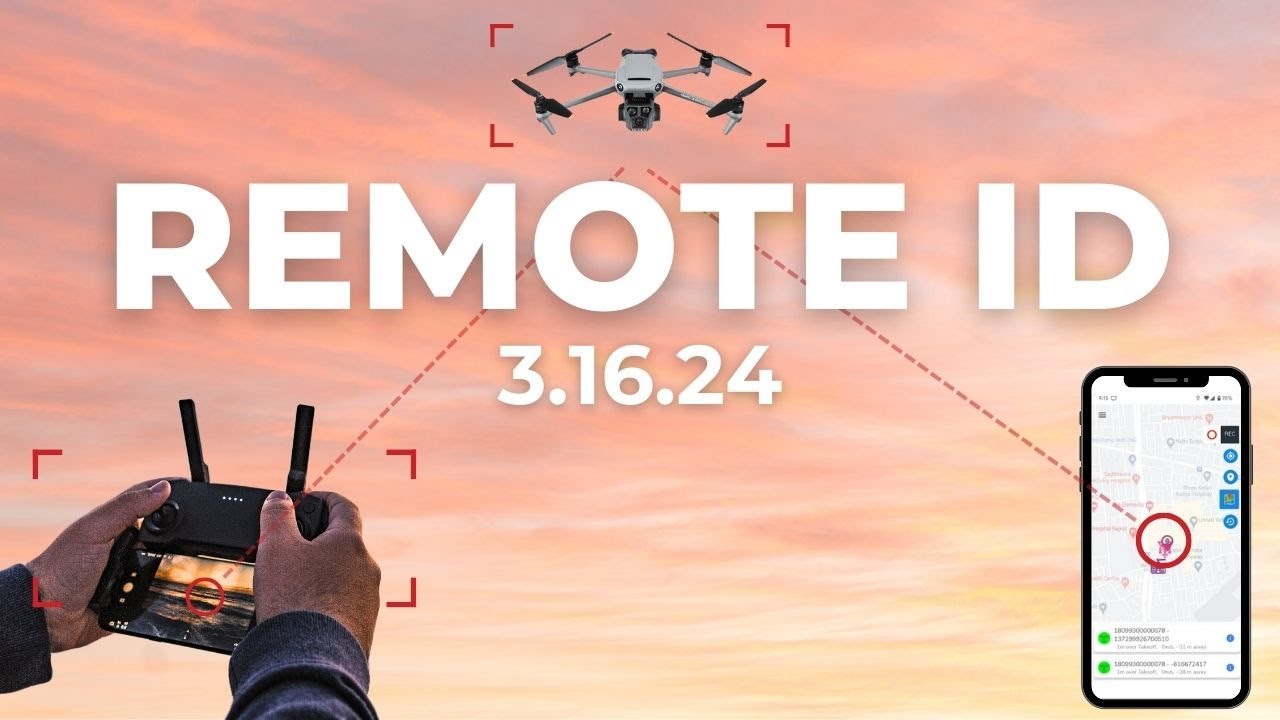
Drone Remote ID is akin to a digital license plate for drones. It allows authorities and other stakeholders to identify and track drones in real-time while they are in operation. By transmitting identification and location information, Remote ID helps in ensuring the safe integration of drones into the national airspace.
The Importance of Drone Remote ID
The implementation of Drone Remote ID is crucial for several reasons:
- Safety: By providing real-time data about drones, Remote ID helps prevent collisions and ensures safer skies.
- Security: It aids in identifying unauthorized drone activities, thus enhancing national security.
- Accountability: Remote ID helps in holding drone operators accountable for their actions by linking drones to their registered users.
- Public Acceptance: By addressing privacy concerns, Remote ID can help foster public trust and acceptance of drone technology.
How Drone Remote ID Works
Drone Remote ID systems work by broadcasting specific data from the drone to receivers. This data typically includes:
- Drone ID: A unique identifier for the drone.
- Location Information: GPS coordinates of the drone and its altitude.
- Control Station Location: The location of the drone’s control station or pilot.
- Emergency Status: Information about the drone’s operational status, including emergency and failure states.
The transmitted data can be received by other drones, mobile devices, and law enforcement agencies, allowing for continuous monitoring and management of drone activities.
Types of Remote ID Systems
There are generally two types of Remote ID systems:
- Broadcast Remote ID: This system uses radio frequency technologies such as Wi-Fi or Bluetooth to broadcast the drone’s information directly to nearby receivers.
- Networked Remote ID: This system relies on an internet connection to transmit drone information to a network of receivers. This allows for more extensive tracking capabilities beyond the local area.
Regulatory Framework for Drone Remote ID
Various countries have developed regulatory frameworks to govern the implementation of Remote ID for drones. Here, we’ll discuss the guidelines set forth by the Federal Aviation Administration (FAA) in the United States, which are among the most comprehensive.
The FAA’s Remote ID Rule
The FAA has established rules requiring most drones operating in U.S. airspace to have Remote ID capabilities. These rules came into effect in April 2021, with compliance deadlines set for September 2023.
The rule mandates the following:
- Standard Remote ID Drones: Drones with built-in Remote ID broadcast capabilities that transmit identification and location information.
- Remote ID Broadcast Modules: For drones without built-in capabilities, operators can attach a broadcast module to comply with the rule.
- FAA-Recognized Identification Areas (FRIAs): Designated areas where drones can operate without Remote ID, typically for recreational purposes.
Compliance and Enforcement
Drone manufacturers are required to ensure that new models comply with the Remote ID standards. Existing drones will need to be retrofitted or operated within FRIAs if they lack Remote ID capabilities. Enforcement of these rules involves collaboration between the FAA and local law enforcement agencies to monitor compliance and address violations.
Challenges and Considerations
While Drone Remote ID offers numerous benefits, there are challenges and considerations that stakeholders must address:
- Privacy Concerns: The ability to track drones raises privacy concerns for operators and individuals on the ground. Regulations and technologies must strike a balance between transparency and privacy protection.
- Technological Limitations: Implementing Remote ID requires technology that is reliable and accessible. This involves addressing issues related to connectivity, battery life, and signal interference.
- Cost Implications: The cost of retrofitting existing drones or purchasing new compliant models may be a burden for some operators, particularly hobbyists and small businesses.
- International Harmonization: As drone usage is a global phenomenon, international harmonization of Remote ID standards is crucial for cross-border operations and compliance.
The Future of Drone Remote ID
As drone technology continues to evolve, so will the systems and regulations governing their use. The future of Drone Remote ID will likely involve:
- Advanced Integration: Improved integration with Unmanned Aircraft System Traffic Management (UTM) systems to enhance airspace management.
- Enhanced Security Measures: Development of more secure transmission methods to prevent spoofing and unauthorized access to Remote ID data.
- Greater Public Awareness: Increased efforts to educate the public about the benefits and functions of Remote ID to enhance acceptance and compliance.
Conclusion
Drone Remote ID represents a critical step towards ensuring the safe and responsible operation of drones in increasingly crowded airspaces. By providing a means to identify and track drones, Remote ID enhances safety, security, and accountability. However, the successful implementation of Remote ID requires careful consideration of privacy, technological, and regulatory challenges. As the technology and regulatory landscape continue to evolve, stakeholders must collaborate to create a balanced and effective system that supports innovation while protecting public interests.
Understanding and embracing Drone Remote ID is essential for all drone operators, manufacturers, and policymakers as we navigate the future of drone technology and its integration into our everyday lives.
Share this content:


Post Comment