Revolutionizing Skies: Autonomous Drone Flight Innovations

Introduction
The skies are no longer the domain of birds and commercial aircraft alone. The advent of drone technology has introduced a new era of aviation, characterized by small, versatile, and increasingly autonomous flying machines. Autonomous drones are at the forefront of this revolution, promising to transform industries ranging from agriculture to logistics. This article explores the latest innovations in autonomous drone flight and their implications for the future.
The Evolution of Drone Technology
Drones, also known as Unmanned Aerial Vehicles (UAVs), have evolved remarkably since their inception. Initially developed for military purposes, drones have since found applications in civilian fields, driven by advancements in sensor technology, miniaturization, and computational power. The transition from remotely piloted drones to fully autonomous systems marks a significant milestone in this evolutionary journey.
From Remote Control to Autonomy
Early drones required skilled operators to manually control their flight paths. The introduction of GPS technology enabled drones to follow pre-programmed routes, but true autonomy remained elusive. Recent breakthroughs in artificial intelligence (AI), machine learning, and computer vision have paved the way for drones that can navigate complex environments without human intervention.
Technological Innovations in Autonomous Drones
Autonomous drone flight is underpinned by several key technological innovations. These advancements have enhanced the capabilities of drones, making them more efficient, reliable, and versatile.
Advanced Navigation Systems
Modern autonomous drones are equipped with sophisticated navigation systems that combine GPS, inertial measurement units (IMUs), and computer vision. These systems enable drones to accurately determine their position, even in environments where GPS signals may be weak or unavailable. Computer vision allows drones to interpret visual data from their surroundings, facilitating obstacle detection and avoidance.
AI and Machine Learning
Artificial intelligence and machine learning algorithms empower drones to make real-time decisions based on sensor inputs. These technologies allow drones to adapt to changing conditions, optimize flight paths, and execute complex tasks autonomously. For instance, AI-driven drones can identify and track objects, recognize patterns, and learn from their experiences to improve performance over time.
Swarm Technology
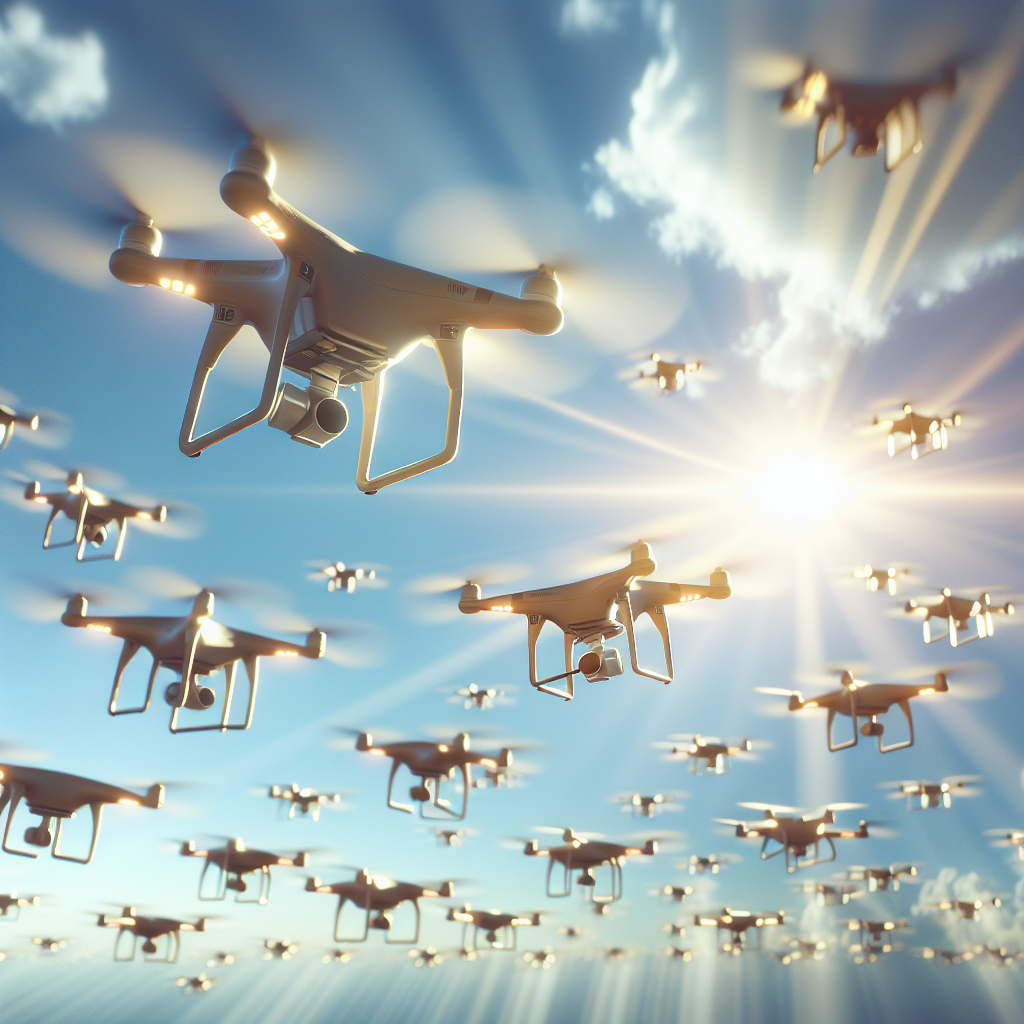
Swarm technology enables multiple drones to operate collaboratively, mimicking the behavior of natural swarms like bees or birds. This innovation has significant implications for applications such as search and rescue, agriculture, and environmental monitoring. By working together, drone swarms can cover larger areas, perform tasks more efficiently, and share data in real-time.
Energy Efficiency and Battery Life
Battery life has long been a limiting factor for drone operations. Recent advances in battery technology, energy-efficient motors, and lightweight materials have extended the flight duration of drones. Solar-powered drones and wireless charging solutions are also being explored to further enhance the endurance of autonomous drones.
Applications of Autonomous Drones
The potential applications of autonomous drones are vast and varied, spanning multiple industries and sectors. Here are some of the most promising use cases:
Agriculture
In agriculture, autonomous drones are revolutionizing the way crops are monitored and managed. Equipped with multispectral sensors, drones can assess plant health, identify pest infestations, and optimize irrigation systems. This data-driven approach enables farmers to make informed decisions, leading to increased yields and reduced resource consumption.
Logistics and Delivery
Autonomous drones are poised to transform the logistics and delivery industry by providing fast, efficient, and contactless delivery services. Companies like Amazon and UPS are already testing drone delivery systems that promise to reduce delivery times and costs, especially in remote and hard-to-reach areas.
Emergency Response
In emergency situations, autonomous drones can provide rapid situational awareness and support rescue operations. Drones equipped with thermal cameras and AI-driven analytics can locate missing persons, assess disaster-stricken areas, and deliver critical supplies to those in need.
Infrastructure Inspection
Autonomous drones are increasingly used for inspecting infrastructure such as bridges, power lines, and pipelines. These drones can access hard-to-reach areas, capture high-resolution images, and identify potential issues before they become critical, improving safety and reducing maintenance costs.
Regulatory Challenges and Safety Concerns
Despite the promising potential of autonomous drones, several regulatory and safety challenges must be addressed to ensure their widespread adoption.
Regulatory Framework
The integration of autonomous drones into national airspace requires a comprehensive regulatory framework to ensure safety and accountability. Regulators around the world are working to establish guidelines for drone operations, focusing on issues such as airspace management, privacy, and operator certification.
Safety and Reliability
Ensuring the safety and reliability of autonomous drones is paramount. Redundant systems, fail-safe mechanisms, and robust cybersecurity measures are essential to prevent accidents and unauthorized access. Continuous testing and validation are also necessary to build trust and confidence in autonomous drone technology.
The Future of Autonomous Drones
The future of autonomous drones is bright, with ongoing research and development promising even greater capabilities. Here are some trends and developments to watch for in the coming years:
Urban Air Mobility
Urban air mobility (UAM) envisions a future where autonomous drones and air taxis transport people and goods within cities. This vision requires advanced air traffic management systems and infrastructure to support the safe and efficient operation of aerial vehicles in urban environments.
Integration with 5G Networks
The rollout of 5G networks will enhance the connectivity and data exchange capabilities of autonomous drones. High-speed, low-latency communication will enable real-time data processing and decision-making, supporting more complex and dynamic drone operations.
Environmental Monitoring and Conservation
Autonomous drones will play a crucial role in environmental monitoring and conservation efforts. Drones equipped with sensors can collect data on air quality, wildlife populations, and ecosystem health, providing valuable insights for researchers and policymakers.
Conclusion
Autonomous drones are revolutionizing the skies, offering innovative solutions to complex challenges across various industries. As technology continues to advance, the potential applications of autonomous drones will expand, unlocking new opportunities for efficiency, sustainability, and safety. To fully realize this potential, stakeholders must collaborate to address regulatory, safety, and ethical considerations, ensuring that autonomous drones are integrated into our skies responsibly and effectively.
#ChatGPT assisted in the creation of this article.
Share this content:


Post Comment