Revolutionizing Navigation: The Future of Drone GPS
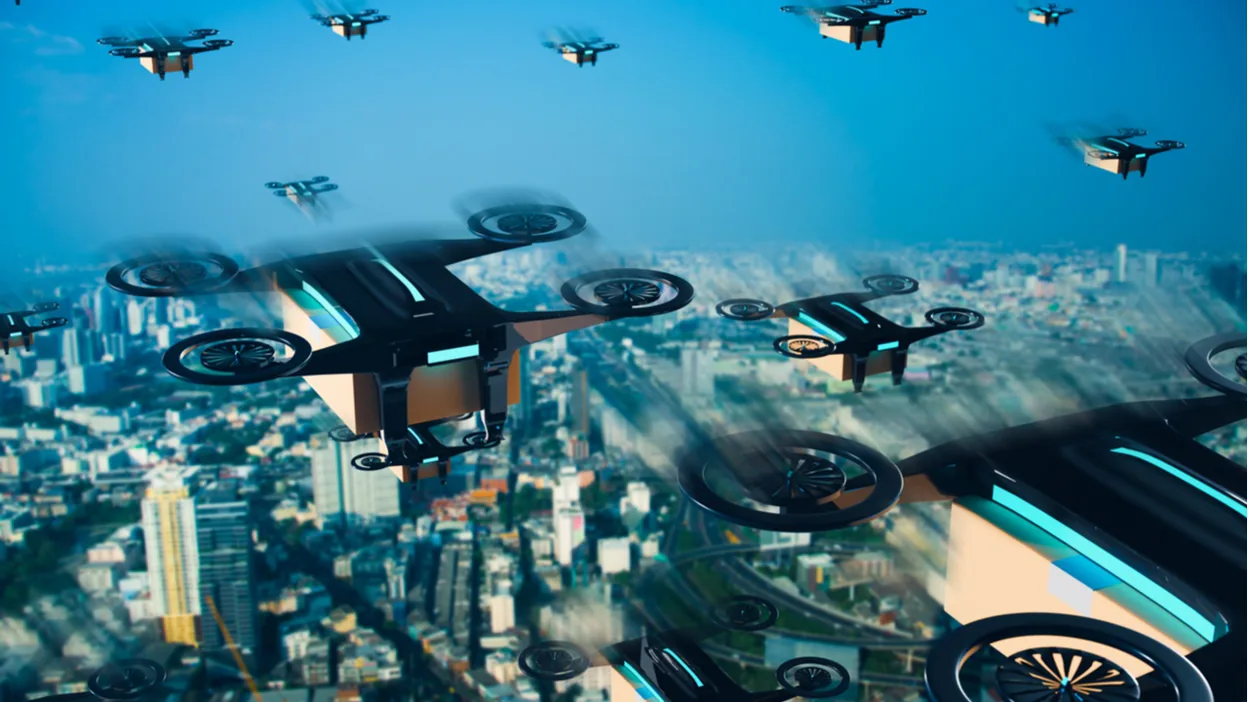
The rapid evolution of drone technology has significantly transformed numerous industries, from photography and agriculture to logistics and defense. Central to the operation and efficiency of drones is their navigation system, primarily governed by Global Positioning System (GPS) technology. As the demand for more precise, reliable, and advanced navigation capabilities grows, the future of drone GPS is poised for revolutionary changes. This article explores the advancements in drone GPS technology, the challenges faced, and the innovative solutions shaping the future of drone navigation.
The Current State of Drone GPS Technology
GPS technology, a satellite-based navigation system, has been the cornerstone of drone navigation. It provides crucial data on the drone’s location, speed, and altitude, enabling precise route planning and execution. Currently, most drones rely on dual-frequency GPS receivers, which offer reasonable accuracy for various applications. However, as the complexity and scope of drone operations expand, the limitations of conventional GPS systems become more apparent.
Limitations of Conventional GPS in Drones
1. **Signal Interference and Multipath Errors**: GPS signals are susceptible to interference from buildings, trees, and other structures, leading to multipath errors. These errors can significantly impact the accuracy of navigation, especially in urban environments.
2. **Limited Accuracy**: While standard GPS provides accuracy within a few meters, this is often insufficient for applications requiring high precision, such as autonomous delivery or precision agriculture.
3. **Dependency on Satellite Visibility**: GPS performance diminishes in environments with limited satellite visibility, such as indoors or in dense urban areas. This dependency restricts the operational flexibility of drones.
Innovations Driving the Future of Drone GPS
To overcome these challenges and meet the demands of advanced drone applications, several innovations in GPS technology are being developed. These include enhanced positional accuracy, alternative navigation systems, and integration with other technologies.
High-Precision GPS
One of the most promising advancements is the development of high-precision GPS systems. Real-Time Kinematic (RTK) and Post-Processed Kinematic (PPK) GPS techniques provide centimeter-level accuracy by utilizing ground-based reference stations to correct satellite signal errors. This level of precision is crucial for applications such as surveying, mapping, and automated delivery, where even minor deviations can have significant consequences.
Integration with Inertial Navigation Systems (INS)
Combining GPS with Inertial Navigation Systems (INS) offers a robust solution for improving navigation accuracy and reliability. INS uses accelerometers and gyroscopes to calculate the drone’s position, velocity, and orientation, compensating for GPS signal loss or degradation. This integration provides continuous navigation data, ensuring seamless operation even in challenging environments.
Alternative Navigation Technologies
In addition to enhancing existing GPS systems, alternative navigation technologies are being explored:
1. **Visual Odometry**: This technique uses camera systems to track movement relative to the surrounding environment. By analyzing visual data, drones can navigate accurately without relying solely on GPS signals, making it ideal for indoor or GPS-denied environments.
2. **LiDAR and Radar Systems**: LiDAR (Light Detection and Ranging) and radar systems can map the environment in real-time, providing detailed spatial information. These technologies enhance obstacle detection and collision avoidance, crucial for autonomous drone operations.
3. **Magnetic and Radio Navigation**: Utilizing magnetic fields and radio signals as additional sources of navigation data can improve accuracy and reliability, particularly in areas where GPS signals are weak or unavailable.
The Role of Artificial Intelligence and Machine Learning
Artificial intelligence (AI) and machine learning (ML) play a pivotal role in advancing drone GPS technology. By analyzing vast amounts of data, AI algorithms can optimize navigation routes, predict potential obstacles, and adapt to changing environmental conditions. Machine learning models can also enhance sensor fusion, integrating data from multiple sources to provide a comprehensive understanding of the drone’s surroundings.
Predictive Navigation
AI-driven predictive navigation systems can anticipate potential navigation challenges, such as signal loss or obstacles, and adjust the drone’s path accordingly. This capability enhances the safety and efficiency of drone operations, especially in dynamic environments.
Autonomous Decision-Making
Machine learning models enable drones to make autonomous decisions based on real-time data analysis. This includes selecting the optimal route, adjusting flight paths to avoid obstacles, and dynamically adapting to weather conditions. As these models continue to evolve, drones will become more self-reliant, reducing the need for human intervention.
Regulatory and Ethical Considerations
As drone GPS technology advances, regulatory and ethical considerations become increasingly important. Ensuring the safe integration of drones into national airspace requires collaboration between technology developers, regulatory bodies, and industry stakeholders.
Regulatory Challenges
1. **Standardization**: Establishing global standards for drone GPS technology is crucial to ensure interoperability and safety across different regions and applications.
2. **Privacy and Security**: The use of advanced navigation systems raises concerns about privacy and data security. Implementing robust encryption and data protection measures is essential to safeguard sensitive information.
Ethical Considerations
1. **Autonomy and Accountability**: As drones become more autonomous, questions arise about accountability in the event of accidents or malfunctions. Defining clear guidelines and responsibilities is crucial to address these ethical concerns.
2. **Impact on Employment**: The widespread adoption of autonomous drones may impact employment in industries such as logistics and transportation. Balancing technological advancement with societal implications is essential for sustainable development.
Conclusion
The future of drone GPS technology holds immense potential to revolutionize navigation and unlock new possibilities in various industries. With advancements in high-precision GPS, alternative navigation systems, and AI-driven solutions, drones will become more capable, reliable, and versatile. However, realizing this potential requires addressing regulatory, ethical, and societal challenges to ensure the safe and responsible integration of drones into our daily lives. By embracing innovation and collaboration, we can pave the way for a future where drones play an integral role in our connected world.
Share this content:


Post Comment