Mastering Drone Legal Requirements for Safe Flying
In recent years, drones have transitioned from being niche gadgets to mainstream devices used for various applications. From aerial photography and agricultural surveys to delivery services and recreational flying, drones are transforming industries and opening new possibilities. However, with this burgeoning popularity comes the need for stringent regulations to ensure safety and privacy. Understanding and adhering to these legal requirements is crucial for anyone interested in flying drones responsibly.
The Importance of Drone Regulations
The proliferation of drones has raised concerns regarding airspace safety, privacy, and national security. Regulations are essential to mitigate risks associated with drone operations, such as collisions with manned aircraft, invasion of privacy, and unauthorized surveillance. By establishing a legal framework, authorities aim to create a safe environment for both drone operators and the general public.
Understanding the Basics of Drone Regulations
Drone regulations can vary significantly from one country to another, but they generally cover several key aspects:
Registration Requirements
Most countries require drone operators to register their drones with the relevant aviation authority. This registration process typically involves providing details about the drone and the operator, ensuring traceability in the event of an incident.
Operator Certification
Depending on the drone’s weight and intended use, operators may need to obtain specific certifications or licenses. These certifications often involve passing a knowledge test covering airspace rules, meteorology, and safe operating practices.
Operational Limitations
Regulations often impose restrictions on where and how drones can be flown. These limitations might include altitude restrictions, prohibitions against flying over crowds or near airports, and requirements for maintaining a line of sight with the drone.
Navigating Airspace Regulations
Airspace management is a critical component of drone regulations. Understanding how airspace is classified and regulated is key to ensuring safe drone operations.
Class G Airspace
Class G airspace is uncontrolled, making it the most accessible for drone operators. However, while manned aircraft are less common here, operators must still be vigilant for other air traffic and adhere to any altitude restrictions.
Controlled Airspace
Operating in controlled airspace (Classes A, B, C, D, and E) typically requires special authorization due to the presence of manned aircraft. This may involve coordination with air traffic control and adhering to specific operational conditions.
No-Fly Zones
Certain areas, such as military bases, airports, and national parks, are designated as no-fly zones. Flying drones in these regions is prohibited without explicit permission.
Privacy and Data Protection
Drones equipped with cameras and sensors have the potential to infringe upon personal privacy. Regulations often address these concerns by imposing restrictions on data collection and requiring explicit consent for capturing images or videos of individuals.
Data Collection and Storage
Operators must be transparent about the data they collect and how it will be used. This might involve notifying individuals before capturing their images or ensuring that data is stored securely to prevent unauthorized access.
Privacy Impact Assessments
Conducting privacy impact assessments can help operators identify potential privacy risks associated with their drone operations and implement measures to mitigate them.
Ensuring Compliance with Local Laws
In addition to national regulations, drone operators must also be aware of local laws and ordinances that may impose additional restrictions. These can vary widely, so researching the specific requirements for each location is crucial.
Municipal Ordinances
Some municipalities may have their own rules regarding drone operations, such as restrictions on flying in public parks or near critical infrastructure. Operators should familiarize themselves with these local regulations to avoid penalties.
State or Regional Regulations
Certain states or regions may impose additional requirements for drone operations, such as special permits or insurance coverage. Understanding these regional variations is essential for compliance.
Best Practices for Safe Drone Operations
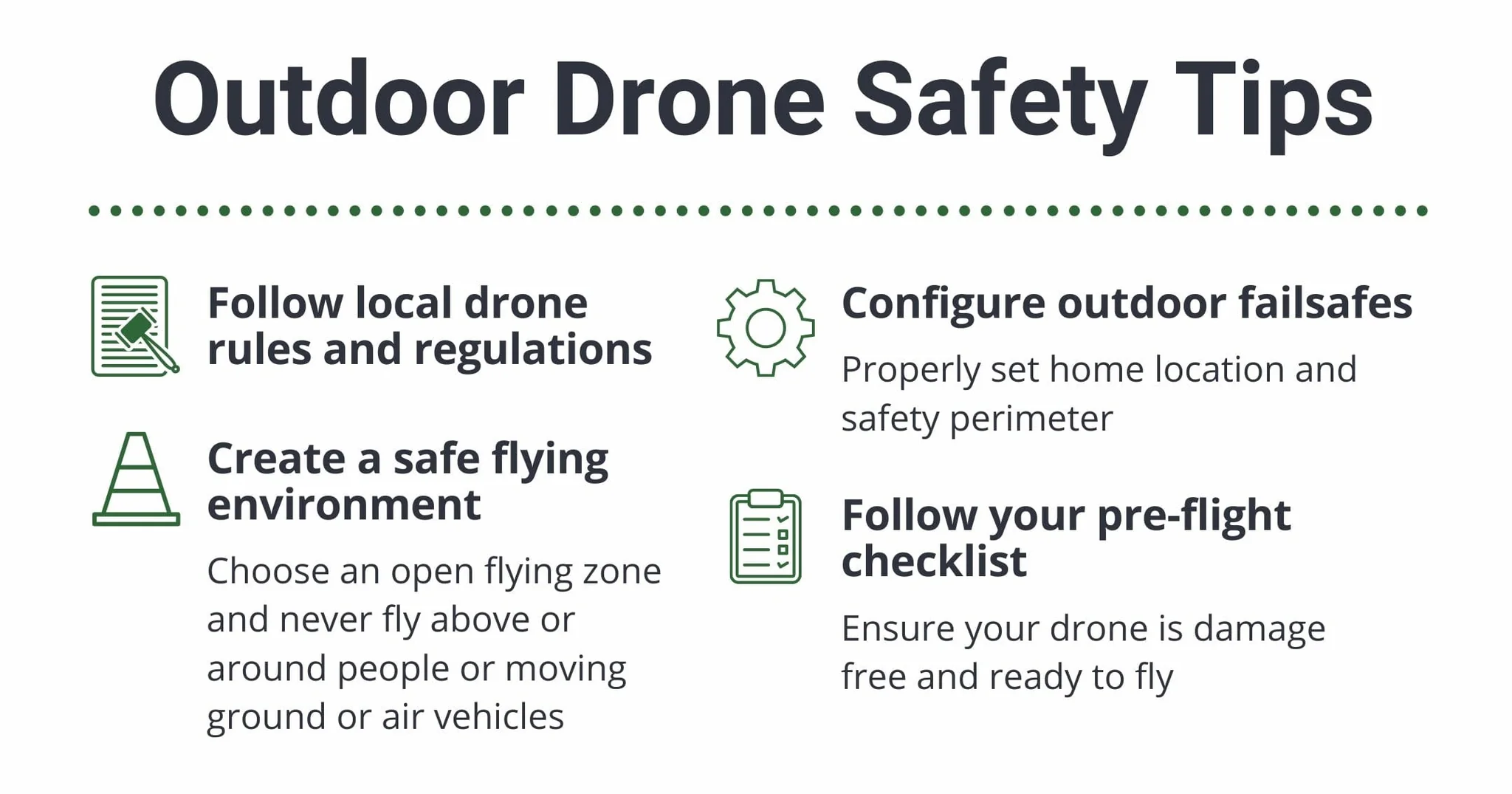
Adhering to regulations is just one part of safe drone operations. Implementing best practices can further enhance safety and ensure a positive experience for both operators and the public.
Pre-Flight Checks
Conducting thorough pre-flight checks is crucial to ensure the drone is in good working condition. This includes inspecting the airframe, propellers, and battery, as well as verifying GPS connectivity and weather conditions.
Maintaining Situational Awareness
Operators should maintain a constant awareness of their surroundings, including potential obstacles, other aircraft, and changing weather conditions. This awareness helps prevent accidents and ensures compliance with regulations.
Emergency Procedures
Having a plan in place for emergencies, such as loss of control or equipment failure, is essential. Operators should know how to safely land the drone and recover it in the event of an incident.
Conclusion: The Path to Responsible Drone Flying
Mastering drone legal requirements is a vital aspect of responsible drone flying. By understanding and adhering to regulations, operators can ensure the safety of both their drones and the public. As drone technology continues to evolve, staying informed about the latest legal developments is essential for anyone involved in this exciting field. By prioritizing safety and compliance, drone enthusiasts can enjoy the many benefits of this technology while minimizing risks and contributing to the responsible integration of drones into our skies.
Share this content:


Post Comment