Master Drone Photo Composition for Stunning Shots
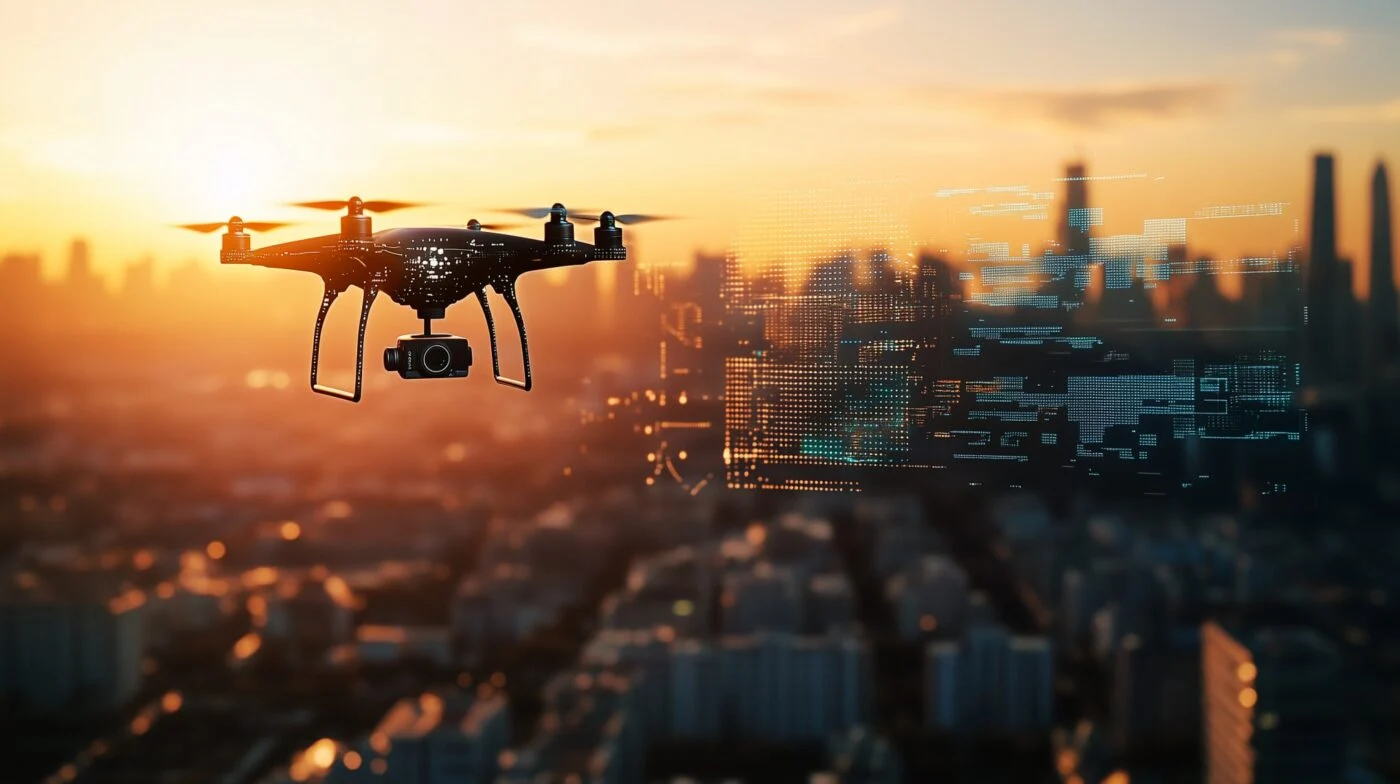
In the realm of aerial photography, drones have revolutionized the way we capture the world from above. They offer unique perspectives that were once limited to helicopters or airplanes, making it easier and more accessible for photographers to explore new angles and compositions. However, mastering drone photo composition is essential to achieving stunning shots that captivate viewers. In this article, we’ll delve into the key elements of drone photo composition and provide tips to enhance your aerial photography skills.
Understanding Composition Basics
Composition in photography refers to the arrangement of elements within a frame. It’s about how these elements interact with each other to guide the viewer’s eye and create a harmonious image. While traditional photography composition rules apply in aerial photography, the perspective from a drone allows for greater creativity and variation.
The Rule of Thirds
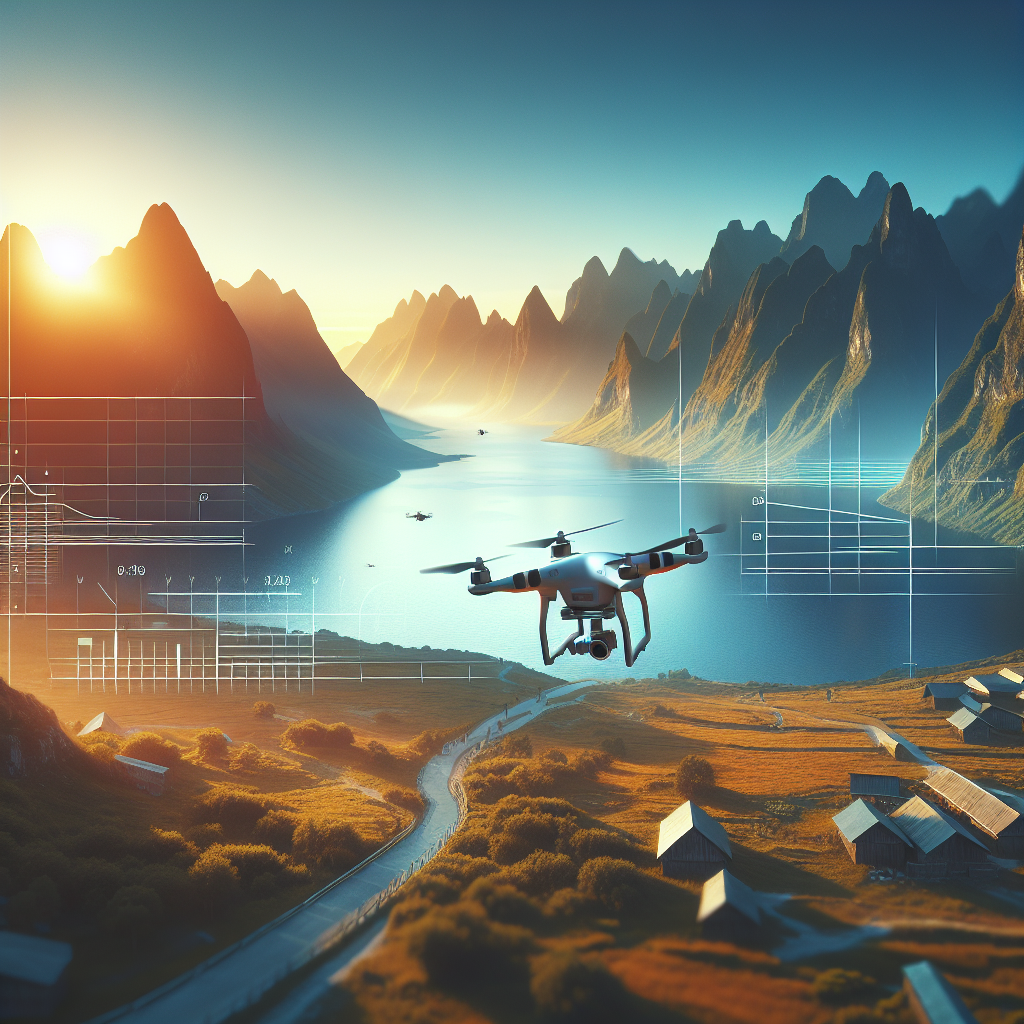
One of the most fundamental principles of composition is the rule of thirds. Imagine dividing your frame into nine equal parts with two horizontal and two vertical lines. The idea is to place your subject along these lines or at their intersections to create a balanced and engaging image. When shooting from a drone, use the grid feature on your controller or app to help visualize this while framing your shot.
Leading Lines
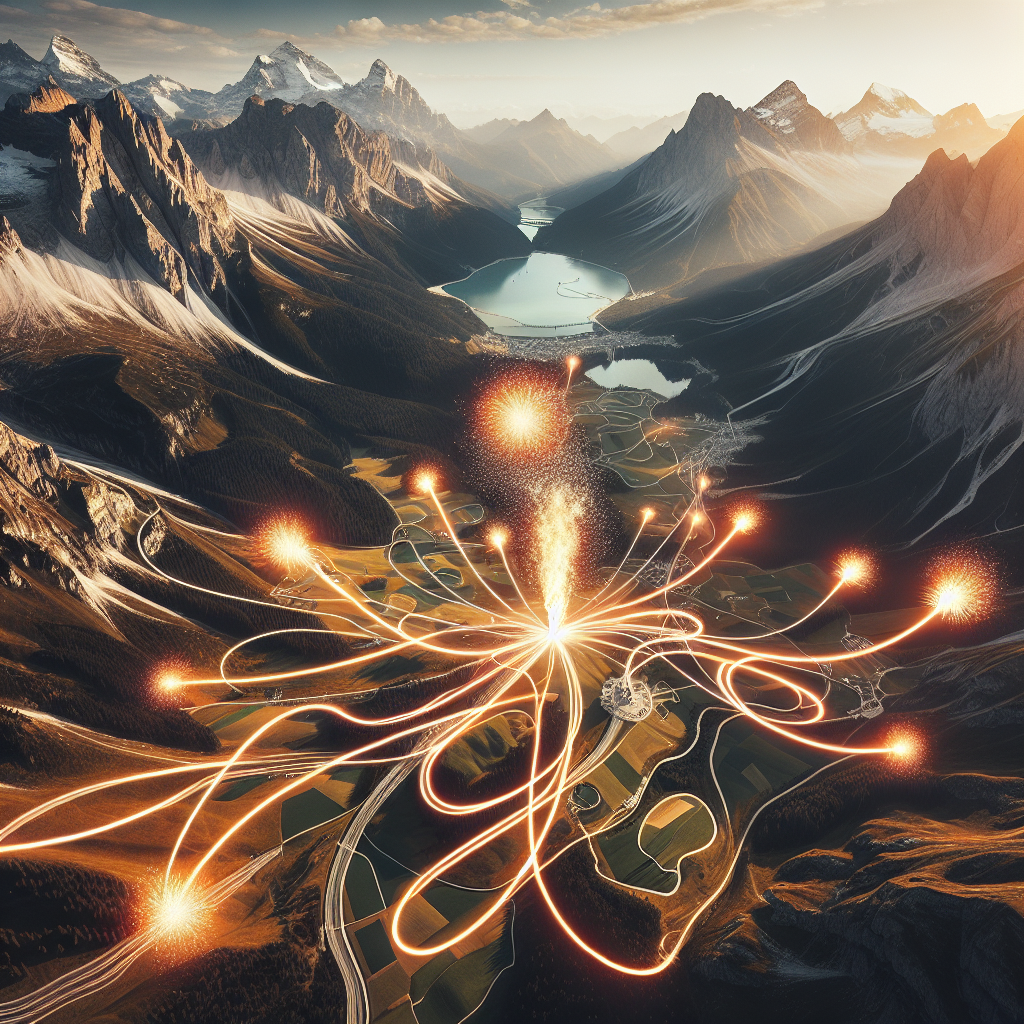
Leading lines are powerful compositional tools that guide the viewer’s eye through an image, often leading them to the main subject. In aerial photography, roads, rivers, coastlines, and even shadows can serve as leading lines. When composing your shot, look for natural lines that draw attention and add depth to your photograph.
Patterns and Symmetry
From an aerial perspective, patterns and symmetry become more apparent and captivating. Fields, forests, city grids, and even parking lots can reveal repetitive shapes and designs that create visually appealing images. Symmetrical shots, where the frame is evenly balanced, can evoke a sense of harmony and order, making them particularly striking.
Utilizing Altitude and Angle
The unique advantage of drone photography is the ability to change altitude and angle effortlessly. This flexibility allows you to experiment with different compositions that would be challenging or impossible from the ground.
Varying Altitude
Changing your drone’s altitude can dramatically alter the composition of your shot. Higher altitudes can capture vast landscapes and large-scale patterns, while lower altitudes allow for more detailed and intimate images. By adjusting the height, you can emphasize different elements within the frame and create a sense of scale.
Explore Different Angles
Unlike traditional photography, drones allow you to shoot from virtually any angle. Experiment with different perspectives, such as shooting directly down for a bird’s-eye view or tilting the camera for a dynamic diagonal composition. The ability to change angles can help you discover new ways to highlight your subject and enhance the overall composition.
Lighting and Timing
Lighting plays a crucial role in photography, and aerial shots are no exception. The right lighting can transform an ordinary scene into a breathtaking masterpiece.
Golden Hour
The golden hour, shortly after sunrise or before sunset, is ideal for aerial photography. The soft, warm light enhances colors and creates long shadows that add depth to your images. During this time, the low angle of the sun can highlight textures and patterns, making your composition more compelling.
Using Shadows
Shadows can be powerful compositional elements in aerial photography. They can create interesting shapes, add contrast, and emphasize texture. Pay attention to the shadows cast by buildings, trees, or natural features, and use them to complement your composition.
Incorporating Context and Storytelling
Aerial photography offers a unique opportunity to tell a story by providing context. Including elements that give a sense of location, scale, or activity can make your composition more engaging and meaningful.
Contextual Elements
Incorporating recognizable landmarks, such as mountains, rivers, or cityscapes, can provide context and help viewers connect with the image. These elements can also serve as focal points, drawing attention and adding interest to the composition.
Storytelling Through Composition
Think about the narrative you want to convey through your aerial photograph. Consider how the arrangement of elements within the frame can support this story. For instance, capturing a bustling cityscape from above can convey a sense of energy and movement, while a serene landscape can evoke calmness and tranquility.
Editing and Post-Processing
Post-processing is an essential step in achieving stunning drone photographs. While composition is key, editing can enhance the visual impact of your images.
Enhancing Colors and Contrast
Adjusting colors and contrast can make your aerial photos more vibrant and dynamic. Use editing software to fine-tune the saturation, brightness, and contrast to enhance details and create a balanced composition.
Correcting Distortions
Depending on the altitude and angle, drone shots can sometimes exhibit distortions, such as barrel distortion or perspective issues. Use post-processing tools to correct these distortions and ensure your composition looks natural and pleasing.
Conclusion
Mastering drone photo composition is a journey that involves understanding the fundamental principles of photography, experimenting with altitude and angles, and using lighting and context to tell compelling stories. With practice and creativity, you can capture stunning aerial shots that captivate and inspire. Remember, the sky is not the limit—it’s just the beginning. So, take your drone, explore new perspectives, and let your imagination soar as you create breathtaking compositions from above.
Share this content:

Post Comment