Master Drone Filming: Top Techniques Revealed
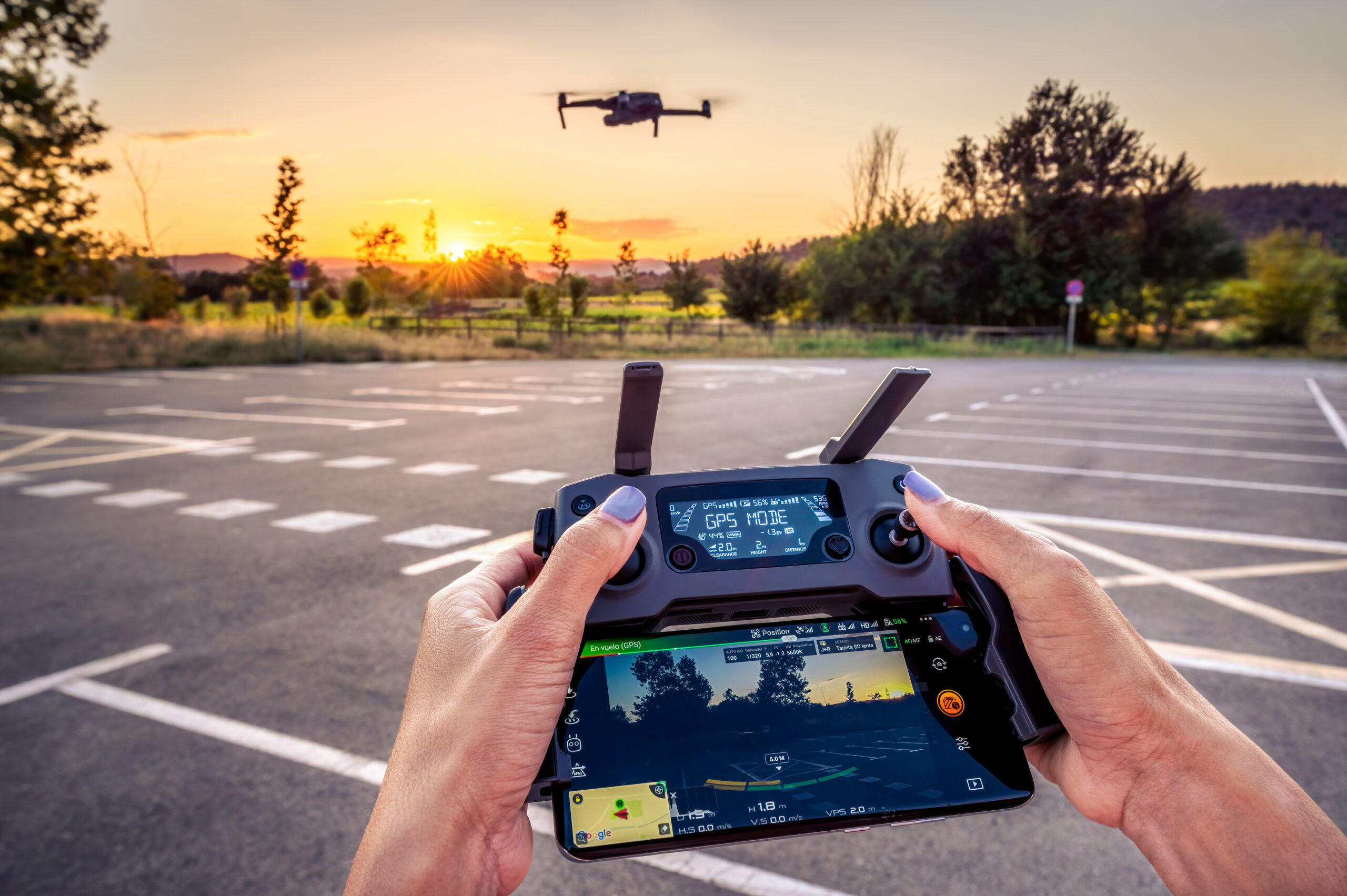
The advent of drones has revolutionized the world of aerial photography and videography. No longer confined to the domain of helicopters or expensive rigs, filmmakers and hobbyists alike can capture stunning aerial shots with relative ease. However, mastering drone filming requires more than just piloting skills. It involves an understanding of composition, lighting, movement, and post-production techniques. In this article, we will uncover the top techniques to elevate your drone filming to the next level.
Understanding Your Equipment
Before you can begin filming, it’s essential to understand the capabilities and limitations of your drone. Different drones come with varying camera qualities, flight times, and stabilization features. Make sure to familiarize yourself with your drone’s settings, including resolution, frame rate, and gimbal controls.
Resolution and Frame Rate
The resolution and frame rate of your drone’s camera will significantly impact the quality of your footage. Shooting in 4K resolution is ideal for capturing high-detail images, allowing for more flexibility in post-production. Frame rate, on the other hand, will affect the smoothness of your footage. For cinematic shots, 24-30 frames per second is standard, while higher frame rates (60 fps or more) are preferable for slow-motion effects.
Gimbal and Stabilization
A stable shot is crucial in aerial videography. Most drones come with a gimbal that stabilizes the camera. Understanding how to control the gimbal can help you achieve smooth and steady shots, even in windy conditions. Practice controlling the gimbal separately from the drone’s movement to master complex shots.
Planning Your Shots
Successful drone filming is often the result of meticulous planning. Scouting locations, understanding weather conditions, and planning shot sequences can significantly enhance the quality of your footage.
Location Scouting
Before launching your drone, scout the location to identify potential obstacles, lighting conditions, and points of interest. Use mapping software or Google Earth to get an overhead view of the area. This preparation will help you plan your flight path and ensure you capture the desired shots.
Weather Considerations
Weather plays a crucial role in drone filming. Ideal conditions are typically calm winds and overcast skies, which help diffuse sunlight and reduce harsh shadows. Always check the weather forecast before flying and avoid flying in rain or strong winds to protect your equipment.
Shot List and Storyboarding
Create a shot list or storyboard to outline the sequence of shots you want to capture. This will guide your filming process and ensure you don’t miss any critical shots. Consider the narrative you want to convey and how each shot contributes to that story.
Executing Cinematic Shots
Once you’re familiar with your equipment and have planned your shots, it’s time to execute. Here are some techniques to create cinematic drone footage that captivates your audience.
Establishing Shots
Establishing shots set the scene and provide context to your story. Use wide-angle shots to capture expansive landscapes or cityscapes. Start with a stationary shot and gradually pull back or rise to reveal more of the scene. This technique is effective in drawing viewers into the environment.
Tracking Shots
Tracking shots involve following a subject in motion. Whether it’s a moving car, a person walking, or a flock of birds, tracking shots create dynamic movement and maintain viewer interest. Practice flying parallel to your subject while maintaining a consistent distance for a smooth tracking shot.
Orbit Shots
Orbit shots, or circular shots, involve flying the drone in a circle around a subject. This technique is excellent for showcasing a central point of interest, such as a monument or building. Use the drone’s automated orbit feature if available, or manually control the drone for more flexibility.
Reveal Shots
Reveal shots are dramatic and add an element of surprise to your footage. Start with the camera facing away from the subject, then slowly pan or tilt to reveal the subject. This technique is particularly effective for introducing new locations or elements within a scene.
Enhancing Your Footage in Post-Production
Filming is only half the battle; post-production is where your footage comes alive. Editing, color grading, and sound design are crucial elements in crafting a polished final product.
Editing
Use editing software to trim and arrange your clips into a cohesive sequence. Pay attention to the pacing of your edits to maintain viewer engagement. Consider using transitions, such as fades or cross-dissolves, to smooth out cuts between shots.
Color Grading
Color grading enhances the visual appeal of your footage by adjusting colors, contrast, and brightness. Whether you want a natural look or a stylized aesthetic, color grading allows you to set the mood and tone of your film. Experiment with different color profiles and LUTs (Look-Up Tables) to achieve the desired effect.
Sound Design
Sound is an often-overlooked aspect of drone filming. Ambient noise, music, and sound effects can add depth and emotion to your footage. Carefully select or create a soundtrack that complements the visuals and enhances the narrative.
Safety and Legal Considerations
Safety and legality are paramount in drone filming. Understanding and abiding by regulations not only ensures your safety but also protects the integrity of your footage.
Understanding Regulations
Each country has specific regulations regarding drone usage. Familiarize yourself with the legal requirements, such as registration, altitude limits, and no-fly zones. Obtaining the necessary permits and licenses will keep you compliant with local laws.
Safety Practices
Always conduct pre-flight checks to ensure your drone is in good working condition. Maintain a line of sight with your drone during flight and be mindful of your surroundings. Avoid flying over crowds or private property without permission to minimize risk.
Conclusion
Mastering drone filming is a journey that requires patience, practice, and creativity. By understanding your equipment, planning your shots, executing cinematic techniques, and enhancing your footage in post-production, you can create stunning aerial films that captivate audiences. Remember to prioritize safety and legality in all your drone operations. With these top techniques revealed, you are well on your way to becoming a master of drone filming.
Share this content:


Post Comment