Master Drone Composition: 7 Essential Rules for Success
# Master Drone Composition: 7 Essential Rules for Success
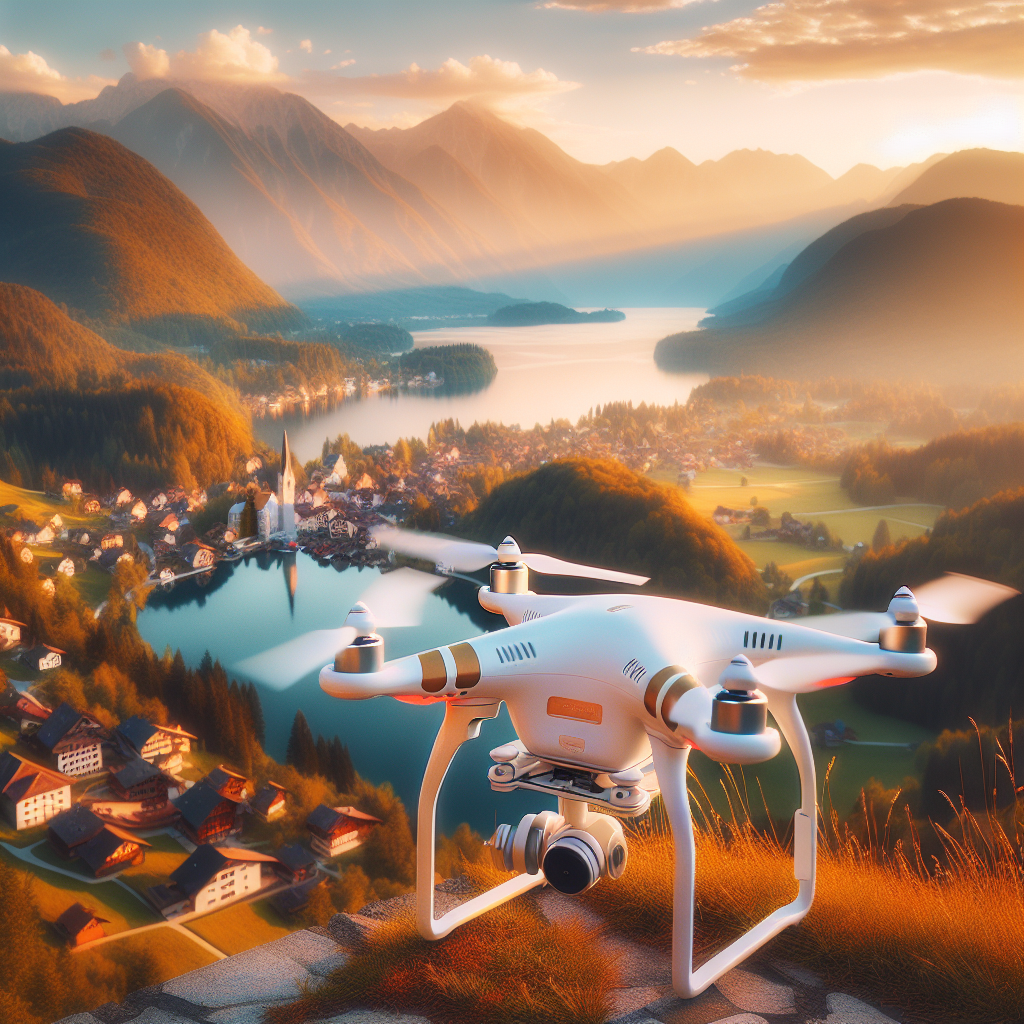
As drones continue to revolutionize the realm of aerial photography and videography, mastering the art of composition becomes crucial for capturing breathtaking visuals. The vast skies, sweeping landscapes, and unique perspectives offered by drones present both opportunities and challenges. To ensure your drone shots stand out, adhere to these seven essential rules for success.
## Rule of Thirds
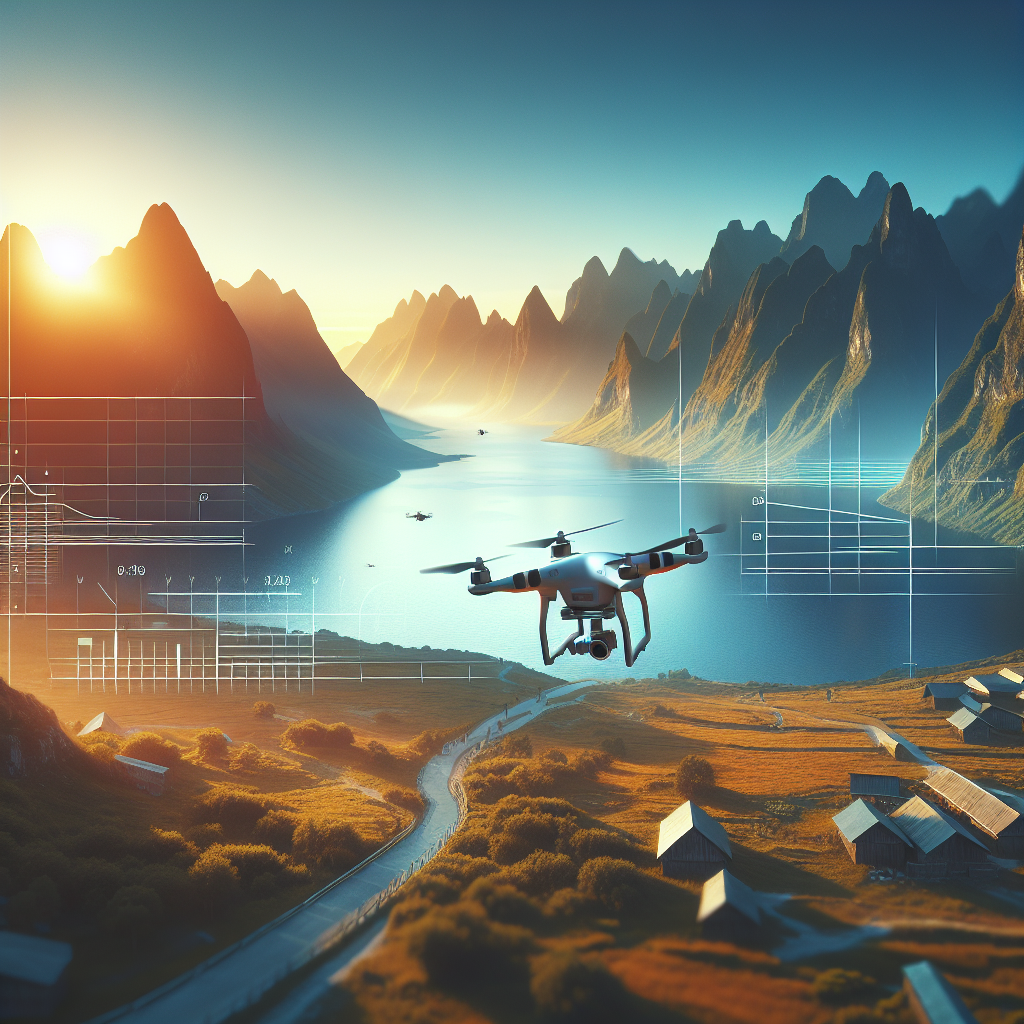
The Rule of Thirds is a foundational principle in photography and videography, and its importance is magnified when applied to drone shots. By dividing your frame into a grid of nine equal parts, with two equally spaced horizontal lines and two equally spaced vertical lines, you can place your subject at the intersections or along the lines. This creates a balanced and engaging composition.
When shooting landscapes from above, position the horizon along the top or bottom third line, depending on whether you want to emphasize the sky or the land. This rule aids in avoiding central compositions that can often appear static and less dynamic.
## Leading Lines
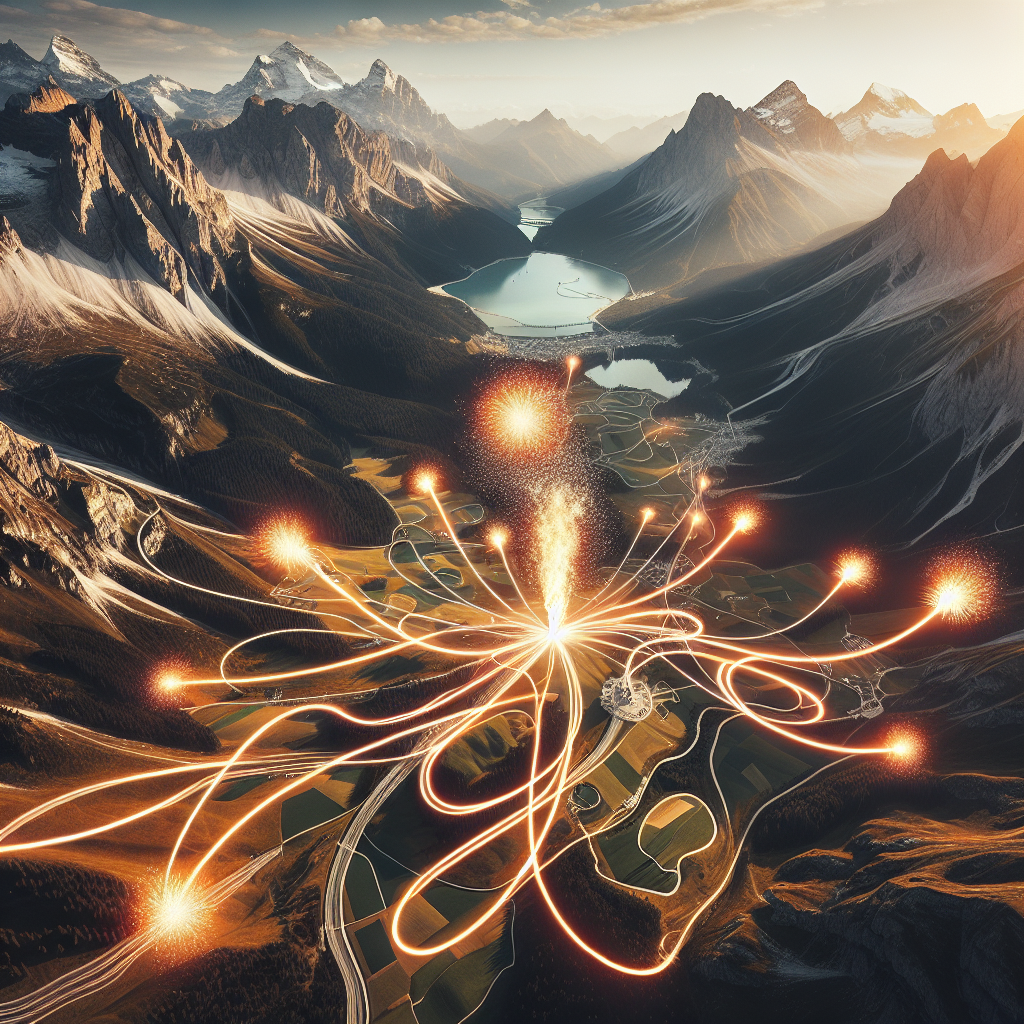
Leading lines are powerful compositional tools that guide the viewer’s eye through the image, creating a sense of depth and movement. Drones are particularly adept at capturing natural and man-made lines from above, such as roads, rivers, coastlines, or rows of trees.
When composing your shot, look for lines that lead towards your main subject or into the distance, creating a visual journey for the viewer. The use of leading lines can transform a flat, uninteresting scene into a compelling visual narrative.
## Symmetry and Patterns
Symmetry and patterns are visually appealing and can be effectively captured from an aerial perspective. Drones offer a unique vantage point to observe symmetrical arrangements or repetitive patterns that are not easily visible from the ground.
Whether it’s the uniformity of a city grid, the repetition of waves on a beach, or the symmetry of a forest, capturing these elements can create striking images. Use your drone to find these patterns and highlight them, ensuring your shot is centered and balanced to maximize the impact of symmetry.
## Framing
Framing involves using elements within your scene to create a ‘frame’ around your subject. This technique draws attention to the subject and adds depth to your composition. From an aerial perspective, you can use natural features like tree branches or man-made structures like bridges to frame your shots.
When using framing, ensure that the frame itself is interesting and complements your subject. A well-chosen frame can enhance the story your image tells and create a focal point that captures the viewer’s attention.
## Contrast and Color
Contrast and color are crucial elements in drone photography that can significantly impact the mood and tone of your images. Drones have the ability to capture vibrant colors and high-contrast scenes from above, revealing details and patterns that are not visible from the ground.
To make the most of contrast, look for scenes where light and shadow play against each other, or where different colors create a striking juxtaposition. This could be the meeting point of land and sea, or a brightly colored object against a muted background. Emphasizing these contrasts can add drama and interest to your composition.
## Depth and Layers
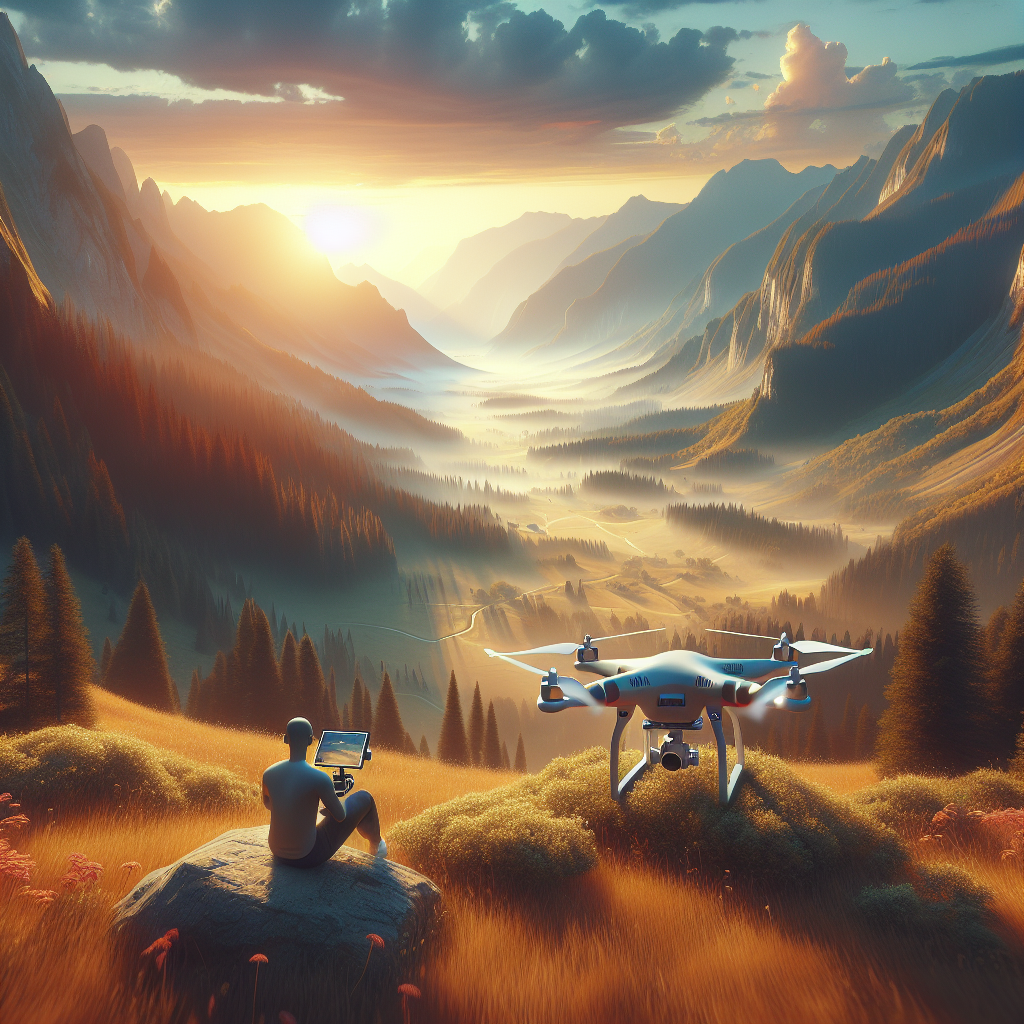
Creating a sense of depth in your aerial shots can transform them from flat images into immersive experiences. To achieve this, incorporate layers into your composition. This involves having a distinct foreground, middle ground, and background, which adds dimension and context to your shots.
From a drone’s vantage point, you can easily incorporate various elements at different distances from the camera. For instance, you might capture a mountain range in the background, a forest in the middle ground, and a river in the foreground. This layering technique helps to lead the viewer’s eye through the image, creating a more engaging and realistic scene.
## Perspective and Angle
A drone’s ability to capture images from unique perspectives is one of its greatest strengths. Experimenting with different angles can lead to surprising and captivating compositions that would be impossible to achieve from the ground.
Consider shooting straight down for a bird’s-eye view, which can turn everyday scenes into abstract art. Alternatively, capture your subject from a low angle, looking up, to convey a sense of grandeur and scale. The key is to explore and experiment with different perspectives and angles, pushing the boundaries of traditional composition.
## Conclusion
Mastering drone composition involves a blend of creativity, technical skill, and an understanding of fundamental principles. By applying the rules of thirds, leveraging leading lines, appreciating symmetry and patterns, using framing techniques, playing with contrast and color, creating depth, and experimenting with perspective and angles, you can elevate your aerial photography and videography to new heights.
Remember, these rules are guidelines, not strict laws. They are meant to enhance your creative vision and help you communicate your unique perspective. As you gain experience and confidence with your drone, you’ll find the freedom to break these rules when necessary, creating compositions that are truly your own.
In the ever-evolving world of drone photography, staying curious and constantly seeking new ways to capture the world from above will set your work apart. Embrace the endless possibilities and let your drone be your tool for storytelling from the skies.
#ChatGPT assisted in the creation of this article.
Share this content:

Post Comment