Cinematic Drone Shots: Elevate Your Aerial Storytelling
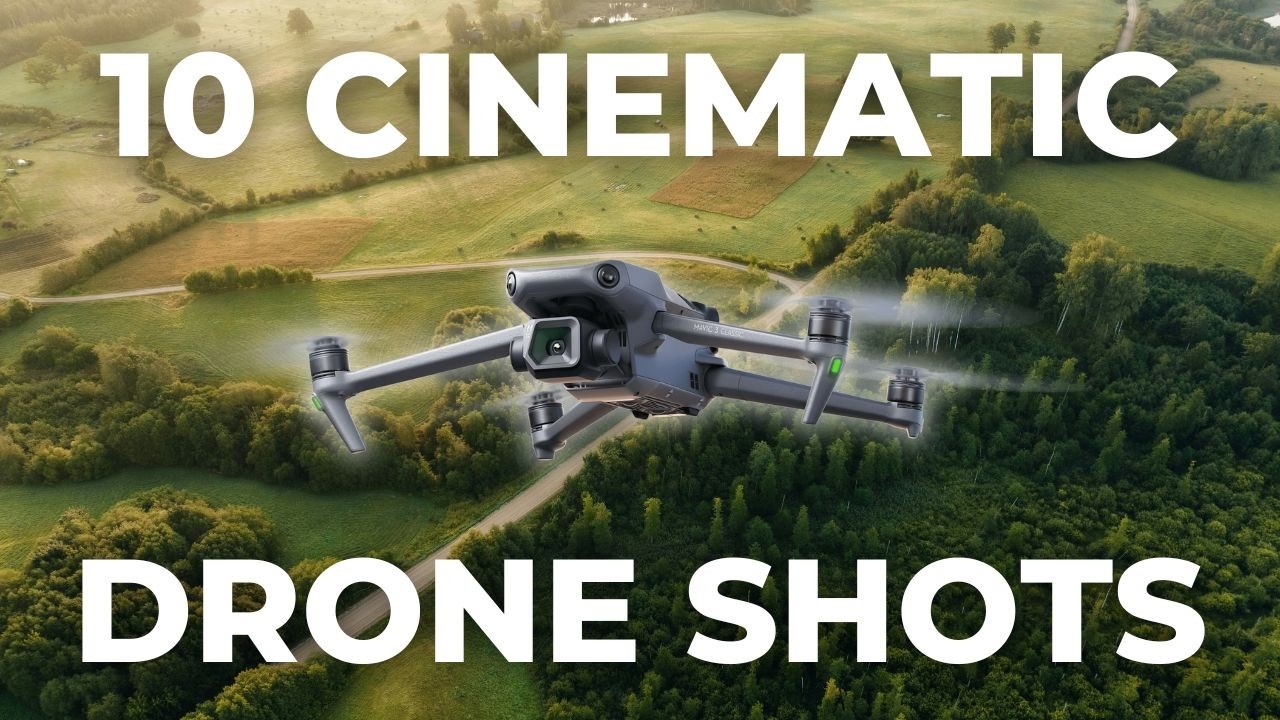
In the ever-evolving world of visual storytelling, drones have carved a niche, offering filmmakers, photographers, and hobbyists unprecedented access to the skies. The ability to capture stunning aerial perspectives has not only democratized film production but has also introduced a new dimension to storytelling. This article delves into the art of cinematic drone shots and how they can elevate your aerial narratives to new heights.
The Rise of Drones in Cinematic Storytelling
The rise of drones in the cinematic world is a testament to the technological advancements that have revolutionized filmmaking. Once reserved for big-budget productions, aerial shots are now accessible to independent filmmakers and enthusiasts. Drones have become an essential tool in storytelling, offering unique perspectives and dynamic movement that traditional filming methods cannot achieve.
The allure of drone cinematography lies in its ability to transport audiences to places they might never experience otherwise. From sweeping landscapes to intricate urban environments, drones enable creators to present a bird’s-eye view that captivates and engages viewers on a deeper level.
Understanding Cinematic Drone Shots
Cinematic drone shots are characterized by their ability to convey emotion, scope, and depth. They are not just about capturing beautiful scenery but about telling a story through visuals. Understanding the different types of drone shots and how to execute them effectively is crucial for elevating your aerial storytelling.
Establishing Shots
Establishing shots are used to set the scene and provide context for the story. These shots are typically wide and expansive, capturing the environment in which the story unfolds. Drones are particularly adept at capturing establishing shots, offering sweeping vistas that ground the audience in the setting.
Tracking Shots
Tracking shots involve following a subject from a consistent distance, maintaining a steady frame as the subject moves through the environment. Drones excel at tracking shots, providing smooth, dynamic movement that enhances the storytelling experience. Whether following a character through a bustling street or tracking a car along a winding road, these shots add a sense of motion and continuity to the narrative.
Reveal Shots
Reveal shots are designed to unveil new elements of the story, building anticipation and intrigue. Drones can execute reveal shots with precision, using altitude and movement to gradually expose key details of the scene. These shots are effective in creating dramatic moments, drawing the audience deeper into the story.
Techniques for Capturing Cinematic Drone Shots
Mastering the art of cinematic drone shots requires a combination of technical skill and creative vision. Here are some techniques to consider when capturing aerial footage:
Plan Your Shots
Before taking to the skies, it is essential to plan your shots meticulously. Consider the story you want to tell and how each shot contributes to that narrative. Create a shot list and storyboard to visualize the sequence of shots and ensure a cohesive flow.
Utilize the Golden Hour
Lighting is a critical component of cinematic storytelling, and the golden hour—shortly after sunrise or before sunset—offers the most flattering natural light. The soft, warm hues during these times enhance the mood of your footage, adding a cinematic quality that captivates viewers.
Incorporate Movement
Movement is a fundamental aspect of cinematic drone shots. Whether it’s a slow, steady pan or a dramatic tilt, incorporating movement adds depth and dynamism to your footage. Experiment with different flight paths and camera angles to discover unique ways to capture your story.
Pay Attention to Composition
Composition is key to creating visually compelling shots. Utilize the rule of thirds, leading lines, and symmetry to create balanced and engaging frames. Consider how elements within the frame interact with each other and how they contribute to the story.
Enhancing Storytelling with Sound and Editing
While capturing stunning aerial footage is crucial, post-production plays an equally important role in elevating your storytelling. Sound design and editing techniques can enhance the emotional impact of your drone shots, creating a more immersive experience for the audience.
Soundscapes and Music
Incorporating soundscapes and music can significantly enhance the narrative power of your aerial footage. Ambient sounds, such as wind or waves, add a layer of realism, while a well-chosen soundtrack can evoke specific emotions. Consider how sound complements the visuals and contributes to the overall story arc.
Seamless Transitions
Editing is an art in itself, and seamless transitions between drone shots can maintain the flow of the story. Match cuts, crossfades, and creative transitions can enhance the visual cohesion of your footage, guiding the audience smoothly from one scene to the next.
Challenges and Considerations
While drones offer incredible opportunities for cinematic storytelling, they also come with their own set of challenges and considerations. Understanding these can help you navigate potential obstacles and maximize the quality of your footage.
Regulatory Compliance
Operating drones for filmmaking purposes requires adherence to local regulations and guidelines. Ensure you are aware of the legal requirements for drone use in your area, including necessary permits and restrictions on flight zones. Compliance is crucial to avoid legal issues and ensure safe operations.
Weather Conditions
Weather can significantly impact drone operations, affecting both flight stability and video quality. Wind, rain, and poor visibility can pose challenges, so it’s essential to monitor weather conditions and plan flights accordingly. Prioritize safety and reschedule flights if conditions are unfavorable.
Battery Life and Range
Drones have limited battery life and range, which can constrain the duration and scope of your shoots. Plan your flights efficiently, prioritizing essential shots and conserving battery power for critical moments. Carry spare batteries to extend your filming time and explore more creative possibilities.
Conclusion: Elevate Your Aerial Storytelling
Cinematic drone shots have transformed the landscape of visual storytelling, offering filmmakers and photographers new avenues to captivate audiences. By mastering the art of aerial cinematography, you can elevate your storytelling to new heights, creating immersive narratives that resonate with viewers.
Embrace the unique perspectives and dynamic movements that drones offer, and experiment with different techniques to discover your own style. Remember, the key to successful aerial storytelling lies in planning, creativity, and a deep understanding of the emotions you wish to convey.
As technology continues to advance, the possibilities for cinematic drone shots will only expand, opening new doors for storytellers to explore. Seize the opportunity to push the boundaries of visual storytelling and let your imagination soar.
#ChatGPT assisted in the creation of this article.
Share this content:


Post Comment