Beginner’s Guide to Stunning Drone Photography Tips
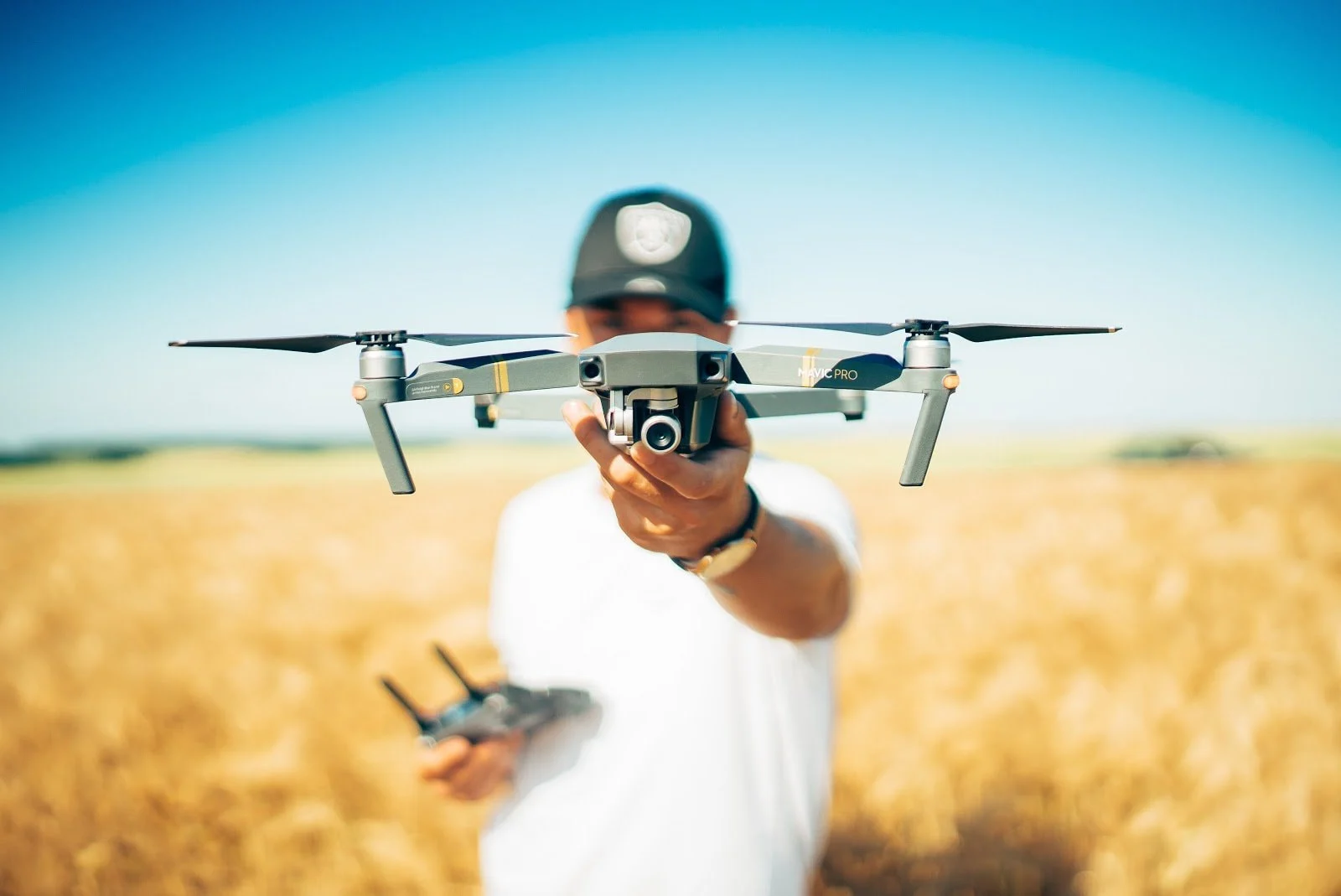
Drones have revolutionized the way we capture the world from above, offering stunning perspectives that were once only possible with helicopters or expensive equipment. For beginners, the world of drone photography can be both exciting and overwhelming. This guide aims to equip you with essential tips and techniques to help you capture stunning images right from your first flight.
Choosing the Right Drone
Before you take to the skies, it’s important to select a drone that suits your needs and skill level. For beginners, user-friendly drones with robust safety features are ideal. Look for drones with automatic flight modes, GPS stabilization, and good camera quality. Popular beginner models include the DJI Mini series, known for their ease of use and high-quality cameras.
Understanding Drone Photography Basics
1. Mastering the Controls
Before focusing on photography, it’s crucial to become comfortable with your drone’s controls. Practice basic maneuvers and learn how to maintain a steady hover. Many drones come with simulators or beginner modes to help you get started without the risk of crashing.
2. Understanding Camera Settings
Drone cameras often have settings similar to traditional cameras, such as ISO, shutter speed, and aperture. Understanding how these settings affect your images is key to capturing stunning photos. Start by experimenting with automatic settings, and gradually move to manual settings as you become more comfortable.
Planning Your Shoot
1. Research Your Location
Before you fly, research the location where you plan to shoot. Use tools like Google Earth or local maps to scout potential spots. Consider factors such as lighting, weather conditions, and any legal restrictions on drone flights. Always ensure you’re flying in a legal and safe area.
2. Timing is Everything
The time of day can dramatically affect your photos. The golden hour—shortly after sunrise and before sunset—offers the best natural lighting, providing a soft, warm glow. Avoid shooting in harsh midday light, which can create strong shadows and wash out colors.
Composition Techniques for Stunning Shots
1. Rule of Thirds
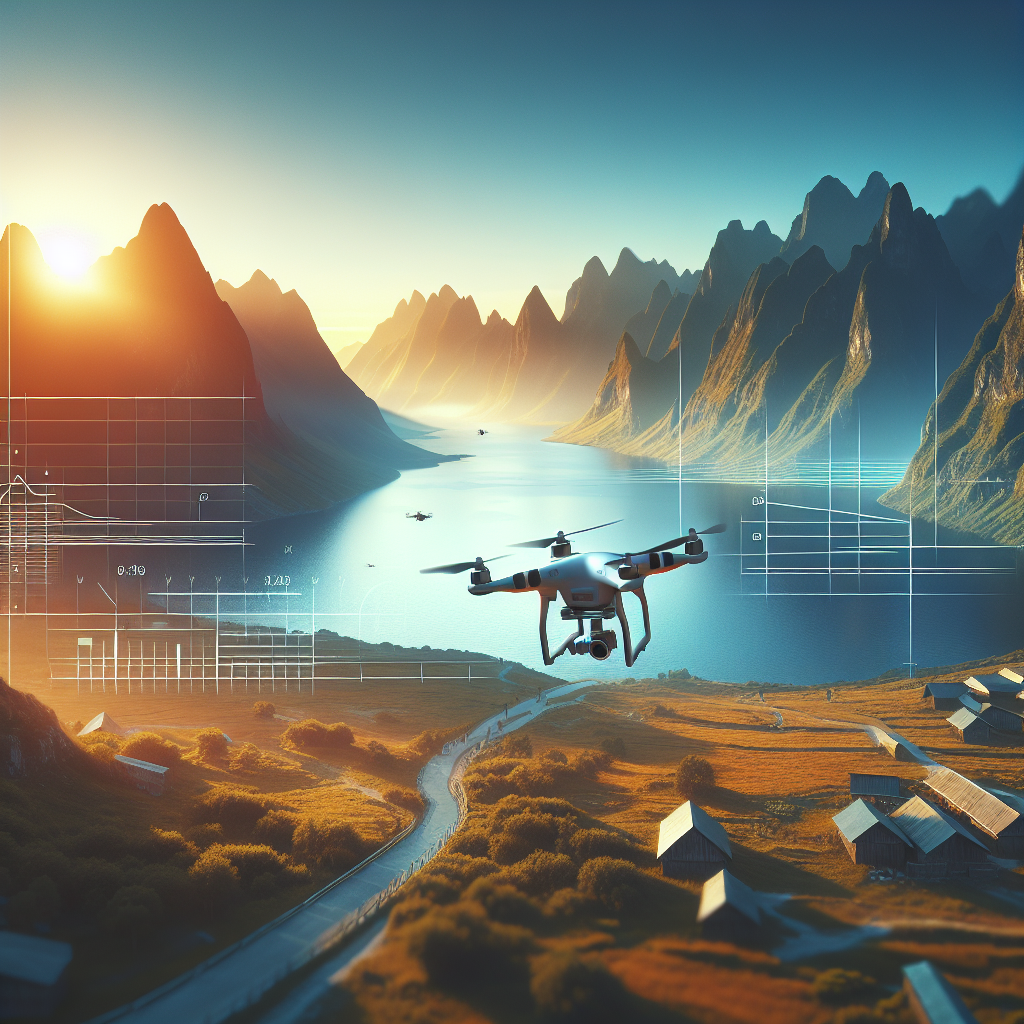
The rule of thirds is a fundamental principle in photography that helps create balanced and interesting compositions. Imagine your frame divided into a 3×3 grid, and place your subject along these lines or at their intersections to create a more engaging image.
2. Leading Lines
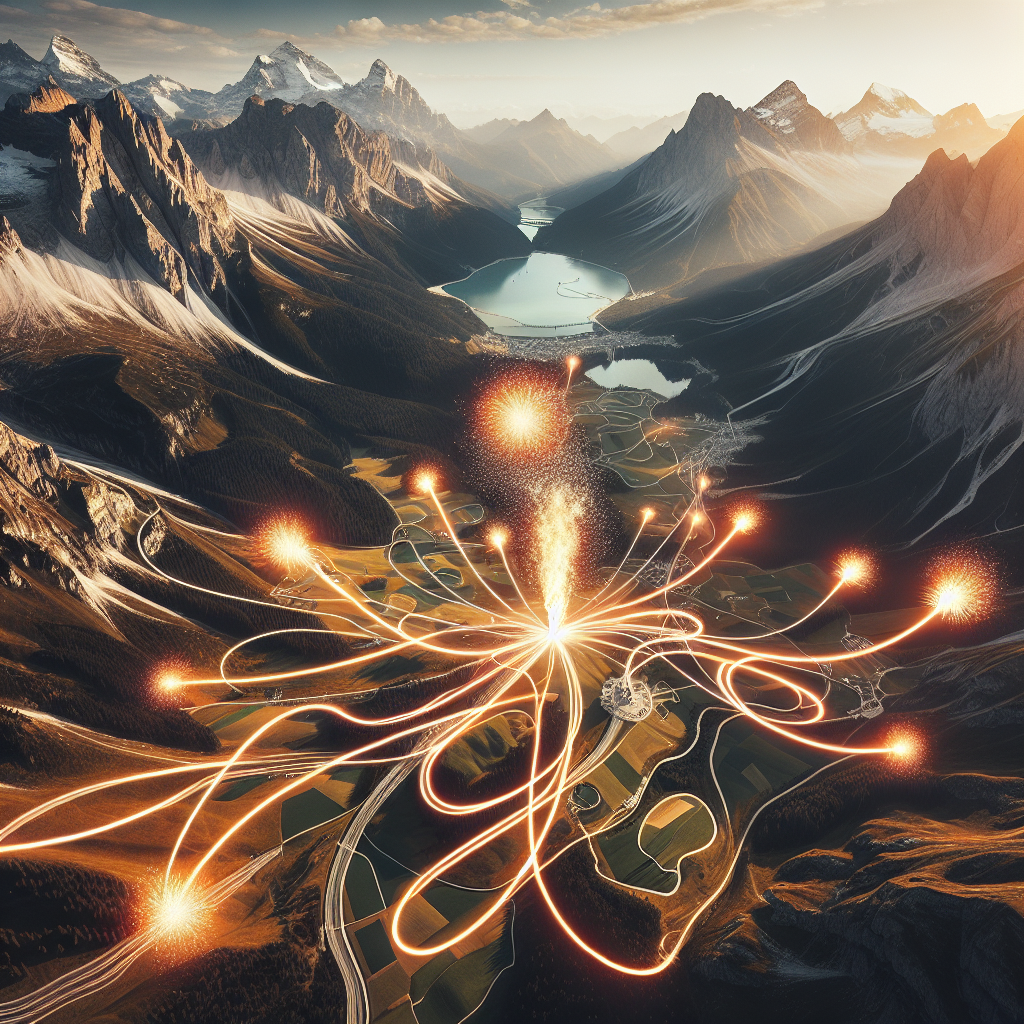
Leading lines guide the viewer’s eye through the photo, adding depth and interest. Roads, rivers, and natural land formations can serve as leading lines. Use your drone’s perspective to find and emphasize these lines in your compositions.
3. Frame Within a Frame
Utilize natural elements like trees, arches, or windows to create a frame within your photo. This technique adds depth and draws attention to the main subject of your image.
Enhancing Your Photos with Editing
Post-processing is an integral part of digital photography that can elevate your drone photos from good to great. Software like Adobe Lightroom or Photoshop offers powerful tools to adjust exposure, contrast, and color balance.
1. Start with Basic Adjustments
Begin by adjusting the exposure, contrast, and white balance of your images. Ensure the highlights are not blown out and that the shadows maintain detail. These basic adjustments can significantly enhance the overall look of your photos.
2. Use Filters and Presets
Filters and presets can add a unique style to your images. Many photographers create custom presets to maintain a consistent look across their work. Experiment with different styles, but be cautious not to over-edit, as this can lead to unnatural-looking images.
Ensuring Safety and Legal Compliance
Safety and legality are paramount when flying drones. Familiarize yourself with local regulations regarding drone flights. In many countries, registering your drone and obtaining a permit is a legal requirement. Always maintain a line of sight with your drone and avoid flying in restricted areas or crowded places.
Continuous Learning and Practice
Drone photography is a skill that improves with practice and continuous learning. Join online communities, participate in workshops, and follow experienced drone photographers to gain insights and inspiration. As you gain experience, explore advanced techniques such as HDR photography and panoramic shots.
Conclusion
With the right knowledge and practice, drone photography can open up a world of creative possibilities. By understanding your equipment, planning your shoots, and refining your composition and editing skills, you’ll be well on your way to capturing stunning aerial photos. Remember, every flight is an opportunity to learn and improve, so keep experimenting and pushing the boundaries of your creativity.
Share this content:

Post Comment