Top Aerial Drone Filming Tips for Stunning Shots
Aerial drone filming has revolutionized the way we capture stunning landscapes, dynamic action shots, and breathtaking aerial views. With the accessibility of drones, both amateur and professional videographers can create compelling content that was once limited to those with access to helicopters or cranes. However, capturing breathtaking aerial footage isn’t just about flying a drone. It requires skill, technique, and creativity. Below are some top tips for getting the most stunning shots with your aerial drone.
Understand Your Drone and Its Capabilities
Before you take to the skies, it’s essential to familiarize yourself with your drone’s capabilities. Different drones come with varying features, such as camera resolution, gimbal stabilization, flight time, and range. Understanding these features will help you plan your shots more effectively.
Camera Settings
Most drones allow you to adjust camera settings like ISO, shutter speed, and white balance. Experiment with these settings to find what works best for different lighting conditions. Shooting in manual mode often provides more control over the final image.
Flight Time and Battery Life
Always keep an eye on your drone’s battery life. Plan your shots to maximize flight time, and always have spare batteries on hand. Remember, it’s better to land early than risk a crash due to an empty battery.
Plan Your Shots
Like any good film production, aerial videography benefits from careful planning. Scout locations in advance and create a shot list to ensure you capture all the footage you need.
Pre-Flight Checklist
Before you launch your drone, perform a pre-flight checklist. Check the weather conditions, ensure your drone’s firmware is up to date, and verify that your propellers are secure. This preparation minimizes the risk of accidents or technical issues.
Golden Hour Shooting
Lighting is critical in photography and videography. The golden hour — the period shortly after sunrise or before sunset — offers soft, diffused light that creates beautiful, cinematic shots. Plan your shoots around these times for the best results.
Master the Art of Composition
Composition is key in creating visually appealing shots. Use techniques like the rule of thirds, leading lines, and framing to enhance your footage.
Rule of Thirds
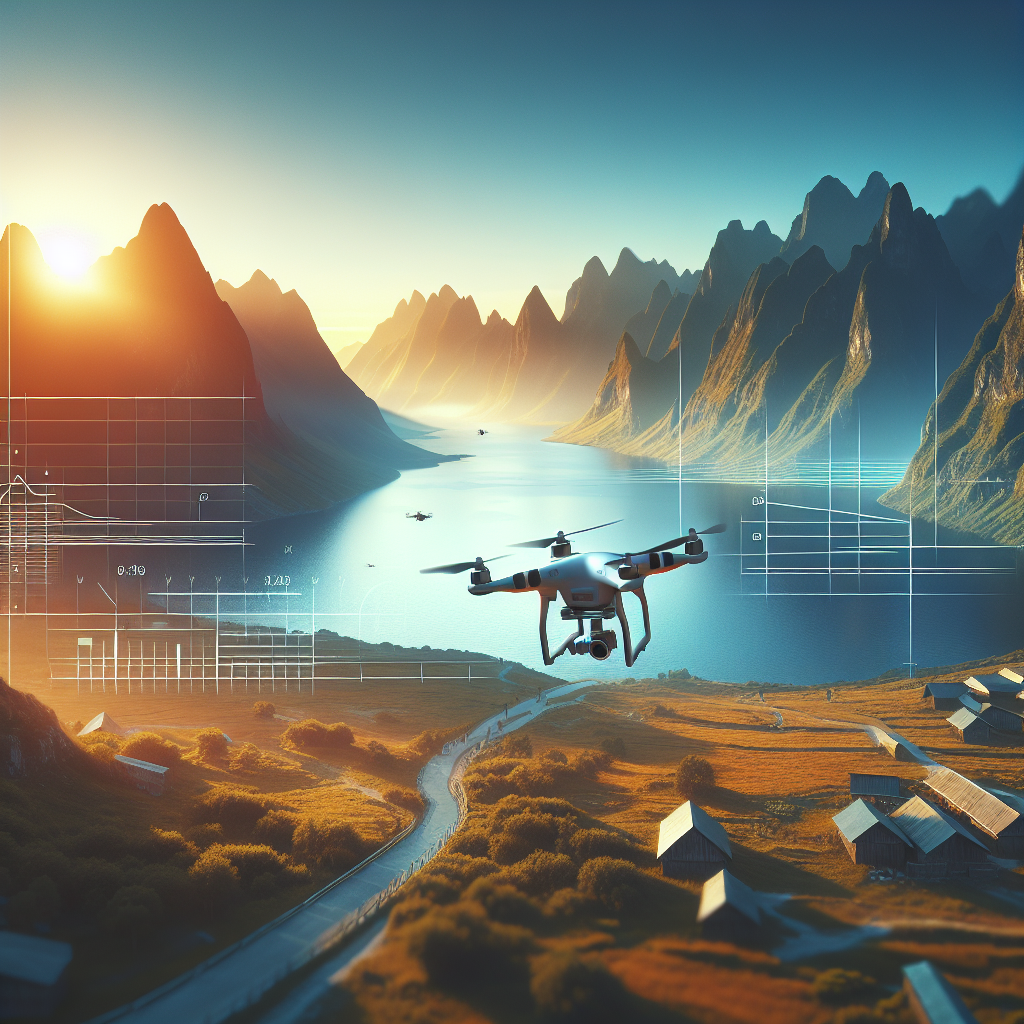
Divide your frame into nine equal parts using two horizontal and two vertical lines. Positioning your subject along these lines or their intersections can create a more balanced and engaging composition.
Leading Lines
Use natural lines, such as roads, rivers, or trails, to lead the viewer’s eye through the frame. This technique adds depth and interest to your shots.
Smooth and Controlled Movements
Jerky or erratic movements can distract from the beauty of your footage. Practice smooth, controlled drone movements to create professional-looking shots.
Use Gimbal Stabilization
Most drones come with gimbal stabilization to keep the camera steady. Ensure your gimbal is calibrated correctly to avoid shaky footage.
Slow and Steady
Move your drone slowly and steadily to create smooth transitions. Quick, sudden movements can be jarring and are often difficult to watch.
Experiment with Angles and Perspectives
One of the advantages of drone filming is the ability to capture unique angles and perspectives. Experiment with different heights and angles to see what works best for your subject.
High Altitude Shots
Capture expansive landscapes or large groups of people from high altitudes. These shots can provide context and a sense of scale.
Low Altitude Shots
Don’t be afraid to fly your drone lower to the ground. This can create dynamic, intimate shots that offer a different perspective.
Utilize Post-Production Techniques
Editing is an integral part of creating stunning aerial footage. Use post-production software to enhance and refine your shots.
Color Grading
Color grading can transform your footage into something truly cinematic. Adjust the colors to create a specific mood or to correct any color imbalances.
Stabilization
Even with a gimbal, some footage may still need stabilization. Use software tools to smooth out any remaining jitteriness.
Respect Privacy and Legal Regulations
Finally, always respect privacy laws and regulations when flying your drone. Ensure you’re familiar with local drone laws, such as maximum altitude restrictions and no-fly zones.
Respect Privacy
Always be mindful of people’s privacy when filming, especially in residential areas. Avoid capturing footage that might infringe on someone else’s privacy.
Stay Updated on Regulations
Drone regulations can change, so it’s crucial to stay informed about legal requirements in your area. This includes registering your drone if necessary and obtaining any required permits.
In conclusion, capturing stunning aerial footage with a drone involves more than simply taking off and pressing record. By understanding your equipment, planning your shots, mastering composition, and respecting regulations, you can create breathtaking aerial videos that captivate and inspire. Whether you’re a hobbyist or a professional, these tips will help you elevate your drone filming to new heights.
#ChatGPT assisted in the creation of this article.
Share this content:

Post Comment