Master Drone Camera Control: Essential Tips Unveiled
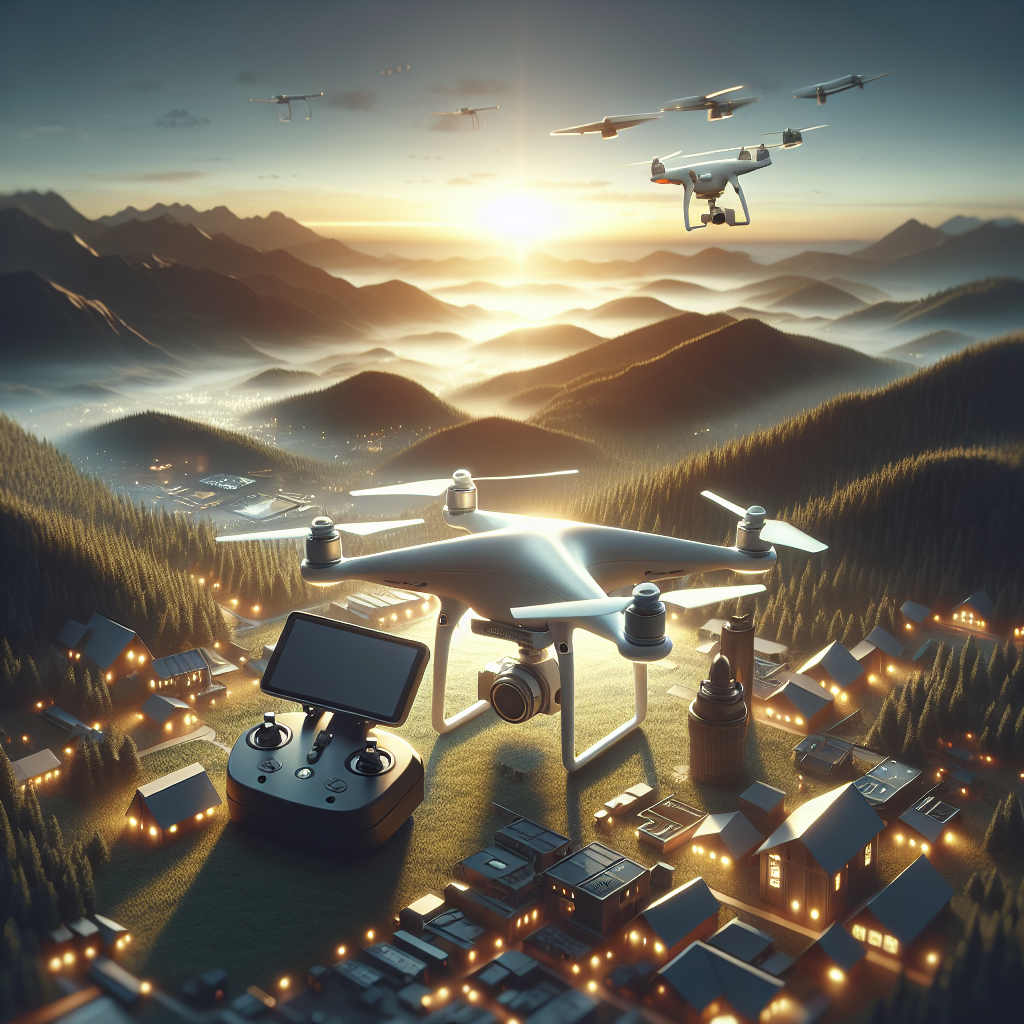
Drones have revolutionized the way we capture the world from above, offering breathtaking perspectives and cinematic views that were once only possible with expensive equipment and professional crews. However, mastering drone camera control is essential to fully unleash the potential of aerial photography and videography. Whether you’re a hobbyist or a professional, understanding the nuances of drone camera operation can elevate your work to new heights. In this article, we’ll delve into essential tips and techniques to help you master drone camera control.
Understanding Your Drone Camera
Before you can master your drone camera, it’s crucial to understand its capabilities and limitations. Different drones come with varying camera specifications, such as resolution, frame rate, and sensor size. Familiarize yourself with your drone’s camera settings by reading the manual, experimenting with different modes, and watching online tutorials specific to your model. Understanding these fundamentals will provide a solid foundation for advanced control techniques.
Resolution and Frame Rate
Resolution and frame rate are two primary factors that influence the quality of your footage. Higher resolution provides more detail, while a higher frame rate allows for smoother video, especially during fast movements. Adjust these settings based on your project needs. For cinematic shots, 4K resolution at 24 or 30 frames per second is typically recommended. For slow-motion effects, consider shooting at 60 frames per second or higher.
Camera Modes and Settings
Most drones offer multiple camera modes such as manual, automatic, and various presets like ‘Cinematic’ or ‘Sport.’ Experiment with these modes to determine which best suits your style and the specific scenario you’re shooting. Manual mode gives you full control over exposure settings like ISO, shutter speed, and white balance, allowing for more creative shots. In contrast, automatic mode can be useful for quick, spontaneous captures.
Mastering Camera Movement
Camera movement is a crucial aspect of storytelling in aerial videography. Smooth and intentional movements can transform ordinary scenes into immersive visual experiences.
Practice Smooth Panning and Tilting
Panning and tilting are fundamental camera movements that can add dynamic elements to your shots. Practice moving the camera slowly and steadily to avoid jerky footage. Use the gimbal controls on your drone to achieve smooth tilts and pans, and consider using the drone’s built-in flight modes like ‘Tripod’ or ‘Cinematic’ for added stability.
Incorporate Dynamic Movements
Dynamic movements such as orbits, fly-throughs, and reveals can create engaging and cinematic content. To master these movements, plan your shots in advance. Visualize the path your drone will take and practice the maneuvers repeatedly to ensure precision and smooth execution. Utilize intelligent flight modes like ‘Point of Interest’ or ‘ActiveTrack’ to automate complex movements and maintain focus on your subject.
Enhancing Composition and Framing
Composition and framing are vital elements that can make or break a shot. Understanding the principles of composition will help you create visually appealing and balanced images.
The Rule of Thirds
The rule of thirds is a guideline that divides the frame into nine equal parts using two horizontal and two vertical lines. Place your subject along these lines or at their intersections to create a balanced and aesthetically pleasing composition. Many drones offer a grid overlay feature to assist with applying the rule of thirds in real-time.
Leading Lines and Natural Frames
Incorporate leading lines and natural frames to guide the viewer’s eye and add depth to your shots. Leading lines, such as roads, rivers, or architectural elements, draw attention to the subject or create a sense of movement. Natural frames, like trees or doorways, can add a layer of interest and context to your composition.
Utilizing Lighting to Your Advantage
Lighting plays a crucial role in the quality of your drone footage. The right lighting can enhance colors, create mood, and highlight details.
Golden Hour Magic
The golden hour, shortly after sunrise or before sunset, offers soft and warm lighting that can transform your footage. The low angle of the sun creates long shadows and rich colors, adding depth and dimension to your shots. Plan your flights around these times to take advantage of the best natural lighting conditions.
Handling Harsh Lighting Conditions
Shooting in harsh midday sun can result in overexposed highlights and underexposed shadows. To combat this, use ND (neutral density) filters to reduce the amount of light entering the camera, allowing for more balanced exposures. Additionally, adjust your camera settings to prioritize highlight detail and consider shooting in RAW format for greater post-processing flexibility.
Post-Processing for Professional Results
Post-processing is an essential step in producing professional-quality drone footage. Editing allows you to correct exposure, enhance colors, and apply creative effects.
Color Correction and Grading
Color correction involves fixing issues with exposure, contrast, and white balance to achieve a natural look. Once corrected, color grading can be applied to create a specific mood or style. Software like Adobe Premiere Pro, Final Cut Pro, or DaVinci Resolve offer powerful tools for color correction and grading. Experiment with LUTs (Look-Up Tables) to give your footage a distinctive look.
Stabilization and Cutting Techniques
Even with the best camera control, some footage may require stabilization in post-production. Use software stabilization features to smooth out any remaining jitters. Additionally, employ cutting techniques like jump cuts, cross dissolves, or L-cuts to enhance storytelling and maintain viewer engagement.
Staying Safe and Legal
Mastering drone camera control also involves understanding safety and legal considerations. Always adhere to local regulations regarding drone operation, and respect privacy and no-fly zones. Ensure your drone is in good working condition before each flight, and conduct pre-flight checks to avoid accidents.
Understanding Airspace and Regulations
Familiarize yourself with the airspace classifications and regulations in your area. In many countries, drones must be registered, and operators may need to obtain a license or certification. Use apps or websites that provide information on no-fly zones and temporary flight restrictions to stay informed.
Prioritizing Safety During Flights
Safety should always be a top priority when operating a drone. Avoid flying in adverse weather conditions, maintain visual line of sight, and keep a safe distance from people, vehicles, and property. Always have a backup plan in case of emergencies, such as loss of signal or battery failure.
In conclusion, mastering drone camera control is a multifaceted process that involves understanding your equipment, mastering camera movements, enhancing composition, utilizing lighting, and performing effective post-processing. By following these essential tips and practicing regularly, you can elevate your drone photography and videography to professional levels, capturing stunning aerial visuals that captivate and inspire.
#ChatGPT assisted in the creation of this article.
Share this content:



Post Comment