Revolutionizing Drone Safety: Top Emerging Technologies
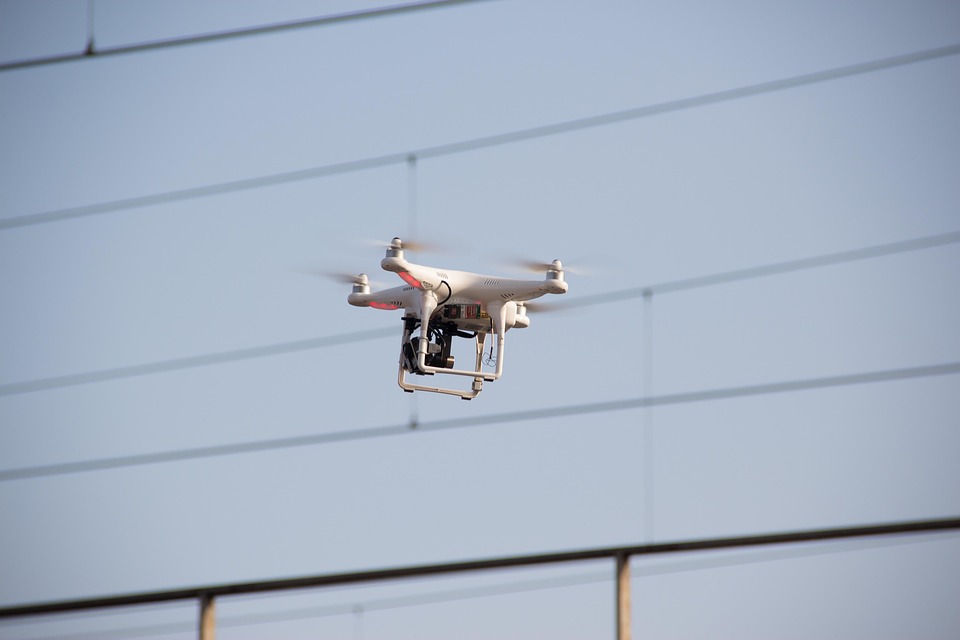
Drones have quickly evolved from niche gadgets to indispensable tools across various industries, including agriculture, logistics, photography, and emergency services. However, as drones proliferate, ensuring their safety becomes increasingly critical. The rapid advancement of drone technology necessitates equally innovative safety measures. This article explores the top emerging technologies revolutionizing drone safety, ensuring these aerial devices operate securely and efficiently.
Advanced Collision Avoidance Systems
One of the most significant hazards for drones is collision, whether with obstacles, other drones, or even birds. Advanced collision avoidance systems are becoming pivotal in enhancing drone safety. These systems leverage a combination of sensors, cameras, and sophisticated algorithms to detect and avoid potential obstacles in real-time.
Multi-Sensor Integration
Modern drones are increasingly equipped with an array of sensors, including LiDAR, ultrasonic, infrared, and visual cameras. By integrating data from multiple sensors, drones can create a comprehensive understanding of their surroundings, allowing for precise navigation and obstacle avoidance. This multi-sensor approach enables drones to operate safely in complex environments, such as urban landscapes or dense forests.
Machine Learning Algorithms
Machine learning plays a crucial role in refining collision avoidance systems. By analyzing vast amounts of flight data, machine learning algorithms can predict potential collision scenarios and adapt flight paths accordingly. This capability allows drones to learn from past flights and improve their avoidance strategies over time, enhancing safety with each mission.
Geofencing and No-Fly Zone Enforcement
Geofencing technology is integral to maintaining safe drone operations, especially in sensitive or restricted areas. Geofencing involves creating virtual boundaries in the airspace, which drones are programmed not to cross.
Real-Time Airspace Updates
Emerging technologies enable drones to receive real-time airspace updates, ensuring compliance with dynamic no-fly zones. This capability is crucial in scenarios such as emergency response situations or temporary restrictions around large events. By accessing live data from aviation authorities, drones can automatically adjust their flight paths to avoid restricted areas, ensuring both safety and regulatory compliance.
Integration with Unmanned Traffic Management (UTM) Systems
The development of Unmanned Traffic Management (UTM) systems represents a significant advancement in drone safety. These systems facilitate the safe integration of drones into the national airspace by providing real-time traffic information, deconflicting flight paths, and managing drone operations collectively. Geofencing technology, when integrated with UTM systems, ensures that drones operate within designated airspace, minimizing the risk of unauthorized intrusions.
Enhanced Battery and Power Management
Battery life and power management are critical factors in drone safety. A sudden loss of power can lead to crashes, posing risks to people and property. Emerging technologies are addressing these challenges by improving battery efficiency and power management systems.
Advanced Battery Technologies
Recent advancements in battery technology, such as solid-state batteries, offer higher energy densities and improved safety features. These batteries not only extend flight times but also reduce the risk of overheating and fires, common issues with traditional lithium-ion batteries. Enhanced battery technologies ensure drones can complete longer missions safely and efficiently.
Smart Power Management Systems
Smart power management systems optimize energy consumption during flights, ensuring drones maintain sufficient power reserves for a safe return to base. These systems utilize real-time data on weather conditions, flight paths, and payload weights to adjust power use dynamically. By maximizing energy efficiency, drones can avoid mid-flight power failures, reducing the likelihood of accidents.
AI-Powered Flight Control Systems
Artificial intelligence (AI) is transforming how drones are controlled, allowing for more precise and autonomous operations. AI-powered flight control systems enhance safety by improving stability, responsiveness, and decision-making capabilities.
Autonomous Decision-Making
AI enables drones to make autonomous decisions based on real-time data analysis. For instance, if a drone encounters unexpected weather conditions, AI algorithms can adjust flight parameters to maintain safety. This capability is particularly valuable for beyond visual line of sight (BVLOS) operations, where human intervention may be limited.
Enhanced Stability and Control
AI-driven flight control systems continuously monitor drone stability and make rapid adjustments to maintain control. This is crucial for handling sudden gusts of wind or turbulence. By optimizing control inputs, AI ensures smoother flights and reduces the risk of accidents caused by instability.
Robust Communication Systems
Reliable communication between drones and their operators is essential for safe operations. Emerging technologies are enhancing these communication systems to ensure seamless and secure connections.
5G Connectivity
The rollout of 5G networks is revolutionizing drone communication. With ultra-low latency and high data transfer rates, 5G enables real-time video streaming, instant data sharing, and precise control over long distances. This connectivity ensures operators can monitor and manage drones effectively, even in complex environments.
Secure Communication Protocols
To prevent unauthorized access and control of drones, robust encryption and secure communication protocols are essential. Emerging technologies are focusing on enhancing cybersecurity measures to protect drones from hacking and interference. By ensuring secure data transmission, these protocols safeguard both the drone and its mission.
Redundant Systems and Fail-Safe Mechanisms
Redundancy is a critical aspect of drone safety, ensuring that if one system fails, backup systems can take over. Emerging technologies are enhancing redundancy in various drone components.
Dual GPS Systems
Drones equipped with dual GPS systems can maintain accurate positioning even if one GPS signal is lost or compromised. This redundancy is particularly important in areas with weak GPS signals or potential interference. Dual GPS systems ensure drones can navigate safely and accurately, reducing the risk of accidents.
Automatic Return-to-Home (RTH) Functions
Automatic Return-to-Home (RTH) functions are crucial fail-safe mechanisms that activate if a drone loses communication with its operator. Emerging technologies are enhancing RTH capabilities by incorporating advanced path-planning algorithms and obstacle avoidance during the return journey. This ensures drones can safely navigate back to their launch point, even in complex environments.
Conclusion
As drones become increasingly integral to various industries, ensuring their safe operation is paramount. Emerging technologies are at the forefront of revolutionizing drone safety, from advanced collision avoidance systems to robust communication networks. By integrating these technologies, drones can navigate complex environments, avoid obstacles, and operate autonomously with minimal risk. As innovation continues, the future of drone safety looks promising, paving the way for expanded applications and broader acceptance of these transformative tools.
Share this content:


Post Comment