Understanding Evolving Drone Surveillance Laws Worldwide
Introduction
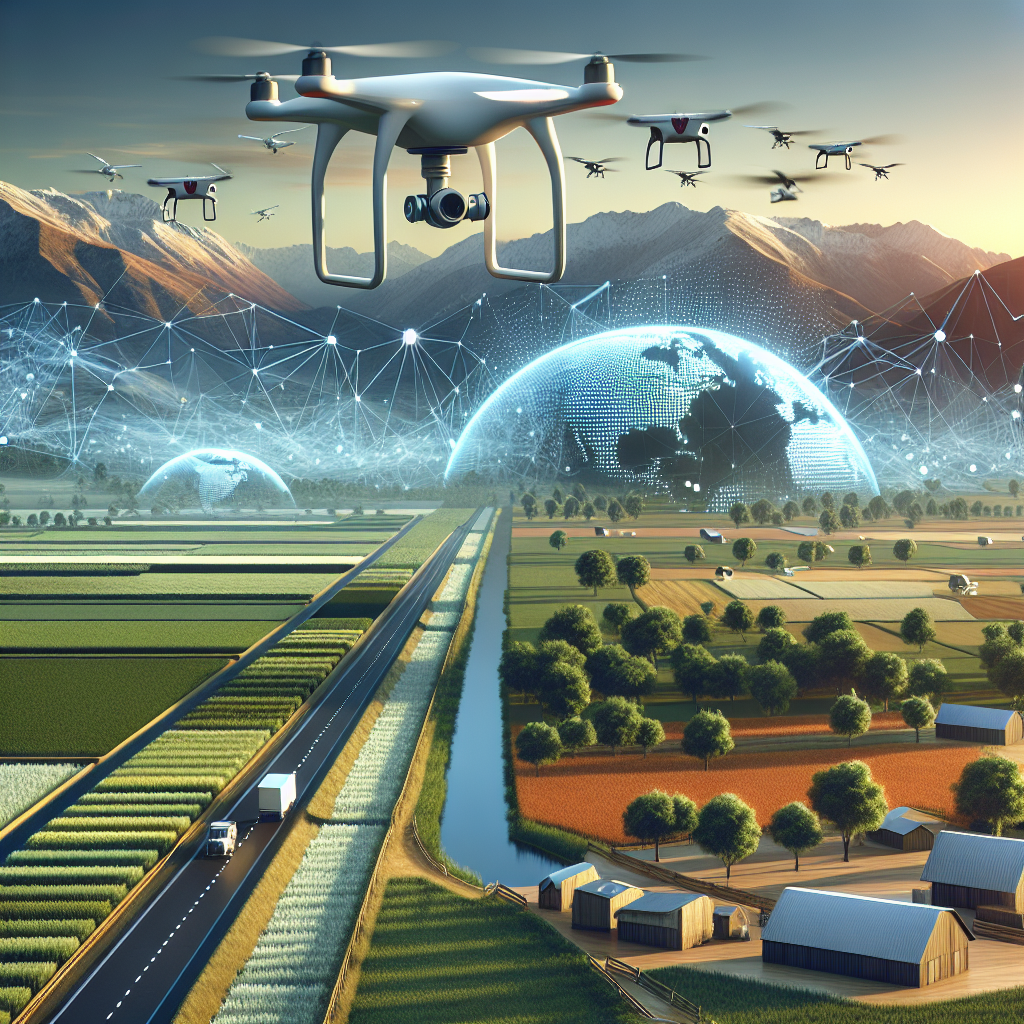
Drones, or unmanned aerial vehicles (UAVs), have surged in popularity over the past decade, revolutionizing industries from agriculture to logistics, and including critical applications in surveillance. The rapid advancement of drone technology has outpaced the development of comprehensive regulatory frameworks, leading to a patchwork of laws that vary significantly between countries. This article explores the evolving landscape of drone surveillance laws worldwide, examining how different nations are approaching the challenges and opportunities presented by drone technology.
The Rise of Drone Surveillance
Drones offer unparalleled capabilities for surveillance, providing high-resolution imaging, real-time data collection, and access to areas that might be difficult or dangerous for human operatives. These capabilities have made them attractive tools for law enforcement, border control, environmental monitoring, and even commercial enterprises seeking to enhance security or gather data.
However, the use of drones for surveillance raises significant privacy and civil liberties concerns. The ability to monitor individuals or groups covertly and continuously has led to calls for stringent regulations to ensure that drone surveillance does not infringe upon personal privacy rights.
Regulatory Approaches Worldwide
United States
In the United States, the Federal Aviation Administration (FAA) governs the use of drones, focusing primarily on safety and airspace management. However, privacy concerns fall under the jurisdiction of various state laws, leading to a fragmented regulatory environment. The FAA has implemented rules requiring registration of drones and has set operational limits, such as flying below 400 feet and maintaining visual line-of-sight.
States like California have enacted their own laws to address privacy concerns, prohibiting the use of drones to capture images or recordings of individuals without their consent. The balance between enabling technological innovation and protecting privacy remains a contentious issue in the U.S.
European Union
The European Union has taken steps toward harmonizing drone regulations across member states with the introduction of the EU Drone Regulation, which came into effect in 2020. This regulation establishes categories based on risk, with specific rules for each category. It requires operators to register their drones and to complete training depending on the category.
In terms of surveillance, the General Data Protection Regulation (GDPR) plays a crucial role. Any data collected by drones that can identify individuals is subject to GDPR, requiring operators to ensure compliance with data protection standards. The EU’s approach emphasizes transparency, accountability, and the protection of personal data.
China
China, a leader in drone manufacturing and technology, has developed comprehensive regulations governing their use. The Civil Aviation Administration of China (CAAC) mandates drone registration and requires operators to obtain licenses for commercial use. Surveillance activities are heavily regulated, with restrictions on flying over certain areas and the need for government approval for specific operations.
The Chinese government utilizes drones extensively for surveillance purposes, including public security and environmental monitoring. While regulations exist, the balance between state surveillance and individual privacy remains a complex issue in China.
Australia
Australia’s Civil Aviation Safety Authority (CASA) regulates drone operations, emphasizing safety and risk management. Regulations require operators to maintain visual line-of-sight and restrict flying near populous areas without special permissions.
Privacy is addressed through the Privacy Act, which applies to drone operators collecting personal information. The act mandates that operators adhere to privacy principles, ensuring that surveillance activities do not infringe on individual rights without proper justification.
India
India’s Directorate General of Civil Aviation (DGCA) has established a comprehensive framework for drone operations, requiring registration, licenses, and approval for various activities. Surveillance operations must adhere to strict guidelines, including obtaining permissions and ensuring compliance with privacy laws.
The government has also launched the Digital Sky Platform to facilitate the approval process and ensure adherence to regulations. India’s approach aims to balance innovation with safety and privacy considerations.
Challenges in Regulating Drone Surveillance
The rapid evolution of drone technology presents several challenges for regulators worldwide. One significant challenge is keeping pace with technological advancements, ensuring that laws remain relevant and effective as capabilities expand.
Balancing innovation with privacy and safety is another critical challenge. Regulations must protect individuals’ rights without stifling the potential benefits of drone technology. This requires a nuanced approach, considering the diverse applications of drones and the varying levels of risk associated with different operations.
Enforcement is also a significant concern. Ensuring compliance with regulations requires robust monitoring and enforcement mechanisms, which can be resource-intensive and complex given the diverse range of stakeholders involved in drone operations.
The Future of Drone Surveillance Laws
As drone technology continues to advance, regulations will need to evolve in tandem. Future drone surveillance laws are likely to focus on enhancing transparency, accountability, and public trust. This could involve more stringent data protection measures, clearer guidelines on acceptable surveillance practices, and mechanisms for public oversight.
Global cooperation and harmonization of standards will also play a crucial role in shaping the future regulatory landscape. As drones increasingly operate across borders, international collaboration will be essential to ensure consistent and effective regulation.
Conclusion
The evolving landscape of drone surveillance laws reflects the complex interplay between technological innovation, privacy, and security. As drones become more integrated into various aspects of society, developing a coherent and effective regulatory framework will be crucial to maximizing their benefits while mitigating potential risks.
Understanding the diverse approaches taken by different countries offers valuable insights into the challenges and opportunities that lie ahead. By learning from each other’s experiences and fostering international collaboration, the global community can work towards a future where drone technology is used responsibly and ethically.
#ChatGPT assisted in the creation of this article.
Share this content:


Post Comment