Top Drone Sensors for Ultimate Aerial Precision
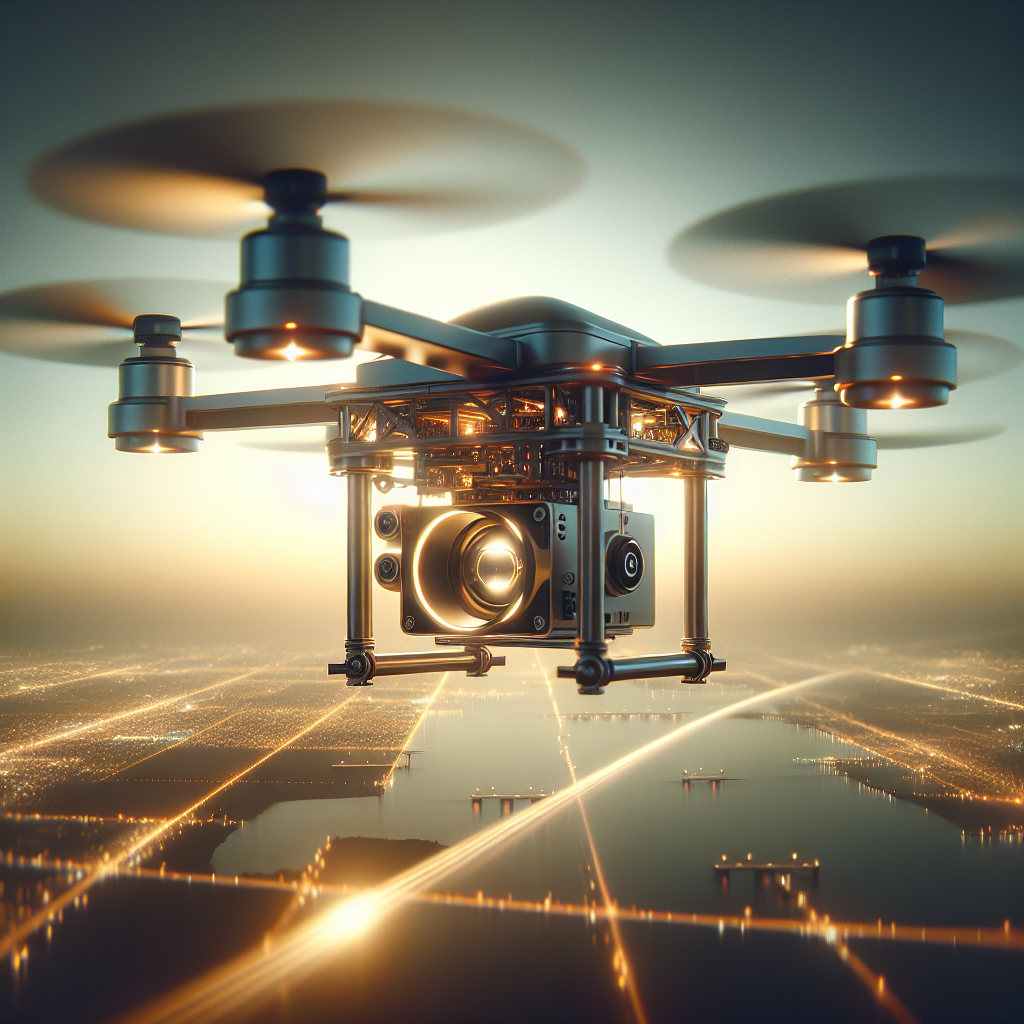
In the ever-evolving world of drone technology, the importance of sensors cannot be overstated. They are the eyes and ears of drones, enabling them to perform a myriad of functions with exceptional precision. From capturing stunning aerial photographs to conducting complex industrial inspections, the quality of a drone’s sensors directly impacts its performance. This article delves into the top drone sensors that ensure ultimate aerial precision, transforming drones from mere flying machines into sophisticated tools of innovation.
Understanding Drone Sensors
Before diving into specific sensor types, it is essential to understand what drone sensors are and their role in aerial precision. Drone sensors are devices that detect and respond to input from the physical environment. These inputs can include light, heat, motion, moisture, pressure, or any other environmental phenomena. The data collected by these sensors is then processed to derive actionable insights, allowing drones to perform tasks autonomously or under human supervision with high accuracy.
Camera Sensors
Camera sensors are arguably the most critical component for any drone, especially for those used in photography and videography. The quality of the camera sensor determines the clarity, resolution, and dynamic range of the images captured. Modern drones often feature high-resolution CMOS (Complementary Metal-Oxide-Semiconductor) sensors. These sensors are praised for their ability to capture stunning images even in challenging lighting conditions. The Sony IMX series, for example, is renowned for its exceptional image quality and is widely used in consumer drones.
Key Features of Camera Sensors
- Resolution: Higher resolution sensors capture more detail, making them ideal for professional-grade photography.
- Frame Rate: Determines how many frames per second can be captured, crucial for smooth video recording.
- Dynamic Range: The ability to capture details in both bright and dark areas within the same frame.
LiDAR Sensors
LiDAR (Light Detection and Ranging) sensors are pivotal for drones used in mapping and surveying. These sensors emit laser beams towards the ground and measure the time it takes for the light to bounce back. This data is used to create highly accurate 3D maps and models of the terrain. LiDAR is especially valuable in applications requiring high precision, such as topographic mapping, forestry, and infrastructure inspection.
Advantages of LiDAR Sensors
- High Precision: Capable of capturing detailed topographical data, accurate to a few centimeters.
- Penetration Capability: Can penetrate foliage, enabling the mapping of ground surfaces in forested areas.
- Versatility: Useful in various conditions, including low-light environments and overcast skies.
Infrared Sensors
Infrared sensors detect heat patterns and are extensively used in drones for applications like search and rescue, agriculture, and security. These sensors can capture images based on the thermal radiation emitted by objects, making them invaluable in situations where visual clarity is compromised, such as at night or in smoke-filled environments.
Applications of Infrared Sensors
- Search and Rescue: Locating missing persons in challenging terrains or conditions.
- Agriculture: Monitoring crop health by detecting variations in plant temperature.
- Security: Surveillance and monitoring of large areas for unauthorized activity.
Ultrasonic Sensors
Ultrasonic sensors use sound waves to measure the distance between the drone and objects in its environment. These sensors are crucial for obstacle avoidance, allowing drones to fly safely and autonomously even in crowded or complex spaces. By emitting ultrasonic waves and measuring their return time, these sensors help drones navigate with precision.
Benefits of Ultrasonic Sensors
- Obstacle Avoidance: Essential for safe navigation in environments with numerous obstacles.
- Cost-Effective: Relatively inexpensive compared to other sensor types.
- Simple Integration: Easy to integrate into existing drone systems.
GPS Sensors
GPS sensors are fundamental for navigation and positioning in drones. They provide real-time location data, enabling precise control and autonomous flight. Advanced GPS systems, often combined with GLONASS or other satellite networks, offer enhanced accuracy, making them indispensable for applications like surveying, search and rescue, and delivery services.
Importance of GPS Sensors
- Navigation: Ensures drones follow pre-determined paths with high accuracy.
- Geotagging: Associates exact geographical locations with captured images and videos.
- Enhanced Stability: Improves the drone’s ability to maintain steady flight, even in adverse conditions.
Magnetometers
Magnetometers measure magnetic fields and are commonly used in drones to assist with orientation and navigation. By detecting the Earth’s magnetic field, these sensors provide data that helps drones determine their heading, ensuring accurate and stable flight paths.
Role of Magnetometers in Drones
- Orientation: Helps maintain the correct orientation, especially in complex environments.
- Navigation Assistance: Works in tandem with GPS for precise navigation.
- Compass Functionality: Acts as a digital compass to guide the drone’s direction.
Barometers
Barometric sensors measure atmospheric pressure and are integral to maintaining altitude stability in drones. They provide data that helps drones adjust their altitude accurately, crucial for applications where precise altitude control is required, such as in filming or surveying.
Advantages of Barometers
- Altitude Control: Ensures drones maintain a stable altitude during flight.
- Weather Adaptability: Can predict weather changes by detecting pressure variations.
- Energy Efficiency: Helps optimize battery usage by maintaining efficient flight paths.
Conclusion
The integration of advanced sensors in drones has revolutionized their capabilities, making them indispensable tools across various industries. From high-resolution camera sensors that capture breathtaking imagery to LiDAR sensors that provide precise mapping solutions, the array of sensors available ensures drones can perform with unmatched accuracy and efficiency. As technology continues to advance, the development and refinement of drone sensors will undoubtedly lead to even greater precision and a broader range of applications, cementing drones’ role as a staple of modern technology.
#ChatGPT assisted in the creation of this article.
Share this content:


Post Comment