Mastering Drone No-Fly Zones: Essential Guidelines
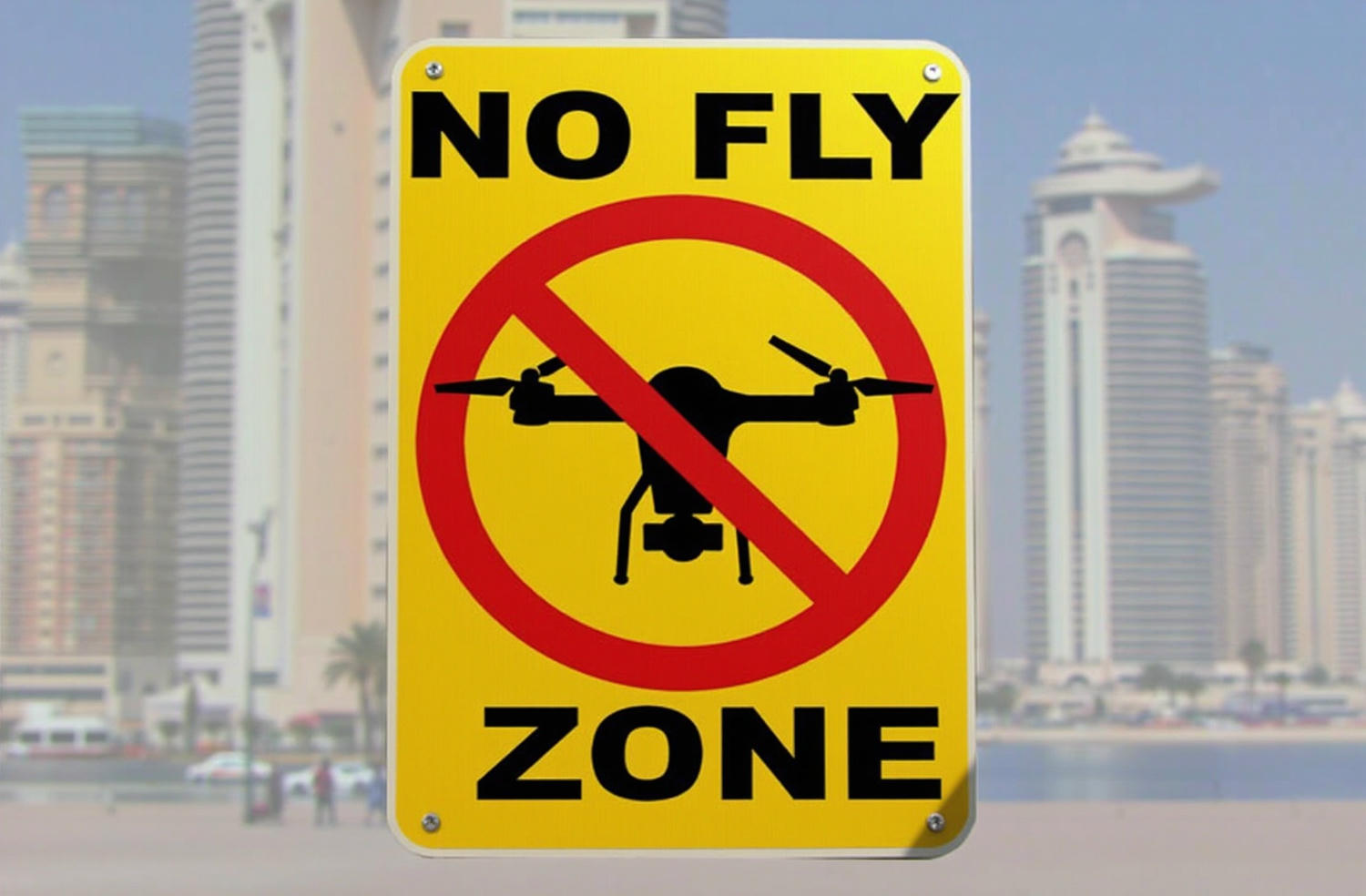
The burgeoning popularity of drones has ushered in an era of unprecedented aerial exploration and innovation. However, with great power comes great responsibility, and nowhere is this more evident than in the realm of no-fly zones. These restricted areas are critical to ensuring safety, privacy, and the protection of sensitive locations. Understanding and adhering to these guidelines is crucial for any drone operator. This article delves into the essential aspects of mastering drone no-fly zones, providing a comprehensive guide for both hobbyists and professionals.
Understanding No-Fly Zones
No-fly zones, also known as restricted airspace, are designated areas where drones are prohibited from flying. These zones are established to protect sensitive sites, ensure public safety, and mitigate risks associated with drone operations. Key examples include areas around airports, military installations, and national landmarks. Understanding these zones is vital for any drone operator to avoid legal repercussions and potential safety hazards.
The Importance of No-Fly Zones
Adhering to no-fly zones is not just a legal obligation; it’s a matter of public safety and privacy. Violating these zones can lead to severe consequences, including fines, confiscation of equipment, and even criminal charges. Moreover, respecting these areas helps maintain a positive perception of drone technology, fostering trust and acceptance among the public.
Identifying No-Fly Zones
Navigating the complexities of no-fly zones requires a thorough understanding of where these areas are located and how they are regulated. Fortunately, there are several resources and tools available to aid drone operators in identifying restricted airspace.
Government and Regulatory Bodies
In most countries, aviation authorities are responsible for establishing and enforcing no-fly zones. For instance, in the United States, the Federal Aviation Administration (FAA) is the primary regulatory body overseeing drone operations. They provide detailed maps and resources to help operators identify restricted areas. Similarly, the Civil Aviation Authority (CAA) in the UK and the European Union Aviation Safety Agency (EASA) in Europe play comparable roles.
Drone Apps and Software
Several apps and software platforms are designed to assist drone operators in staying compliant with no-fly zone regulations. Applications like DJI’s FlySafe, Airmap, and B4UFLY offer real-time information on restricted airspace, ensuring that operators are always aware of their surroundings. These tools often integrate with drone hardware, providing an added layer of safety and compliance.
Local and Temporary Restrictions
In addition to permanent no-fly zones, drone operators must also be aware of temporary restrictions. These can be imposed due to special events, natural disasters, or security concerns. Staying informed about local news and updates from aviation authorities is crucial to avoiding inadvertent violations.
Best Practices for Compliance
Mastering no-fly zones requires a proactive approach to compliance. By adopting best practices, drone operators can ensure they remain within legal boundaries while enjoying their flights.
Pre-Flight Planning
Effective pre-flight planning is essential for safe and compliant drone operations. Before each flight, operators should review no-fly zone maps and ensure their intended flight path avoids restricted areas. Incorporating this step into routine pre-flight checks will significantly reduce the risk of violations.
Maintaining Up-to-Date Knowledge
The regulatory landscape for drones is constantly evolving. Staying informed about changes in no-fly zones and drone legislation is crucial for compliance. Subscribing to updates from regulatory bodies and participating in drone community forums can help operators stay current with the latest developments.
Investing in Reliable Equipment
Investing in high-quality drones equipped with geofencing technology can help prevent accidental entry into no-fly zones. Geofencing uses GPS to create virtual boundaries, automatically preventing the drone from flying into restricted areas. This feature is especially useful for novice operators.
Case Studies and Examples
Examining real-world scenarios can provide valuable insights into the importance of adhering to no-fly zone regulations. These case studies highlight the potential consequences of violations and underscore the need for compliance.
Airport Incidents
There have been numerous instances where drones have disrupted airport operations, leading to flight delays and safety concerns. A notable example occurred at Gatwick Airport in 2018, where unauthorized drone activity resulted in the closure of the airport for 36 hours. This incident underscored the critical need for strict adherence to no-fly zones around airports.
Military and Security Breaches
Breaching no-fly zones around military installations poses significant security risks. In 2017, a drone was shot down over a US military base in Syria, highlighting the potential dangers of unauthorized drone activity in sensitive areas. Such incidents emphasize the importance of respecting restricted airspace to prevent compromising national security.
Wildlife Protection
No-fly zones are also established to protect wildlife. In some regions, drones have been known to disturb nesting birds and other wildlife, leading to the establishment of restricted areas during certain seasons. Respecting these zones is crucial for conservation efforts and preventing harm to wildlife.
Conclusion
Mastering drone no-fly zones is an essential aspect of responsible drone operation. By understanding the importance of these zones, identifying restricted areas, and adhering to best practices, drone operators can ensure safe and compliant flights. As drone technology continues to evolve, staying informed and proactive in observing no-fly zone regulations will be paramount to fostering a positive and sustainable future for drone aviation.
Additional Resources
For those seeking further information on no-fly zones and drone regulations, the following resources may be helpful:
- Federal Aviation Administration (FAA) – UAS
- Civil Aviation Authority (CAA)
- European Union Aviation Safety Agency (EASA)
- DJI FlySafe
- Airmap
Share this content:


Post Comment