Mastering Drone Commercial Use: Top Laws to Know
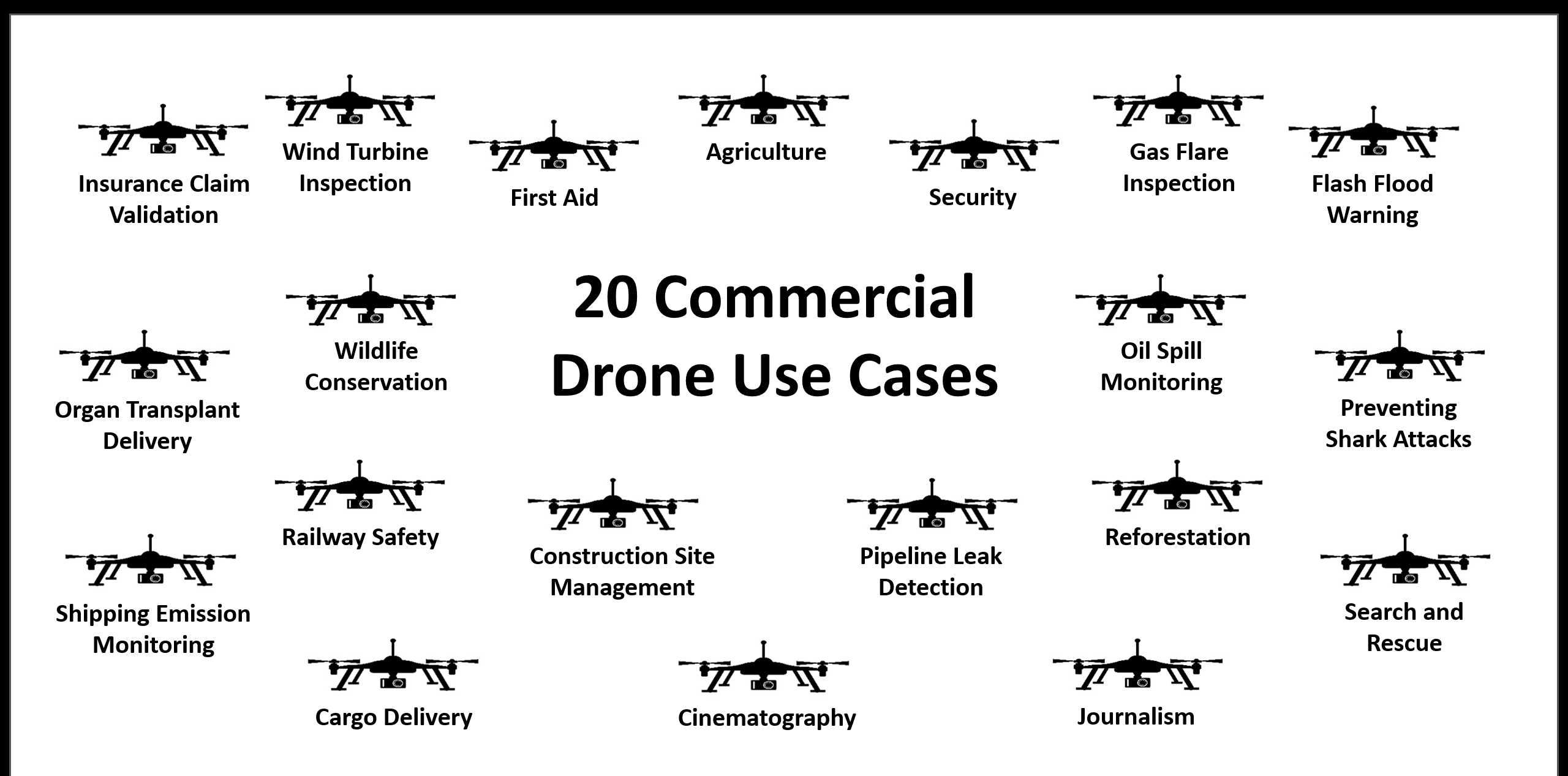
The rapid evolution of drone technology has opened up a myriad of opportunities in various industries. From agriculture to real estate, drones have become indispensable tools that offer innovative solutions. However, the commercial use of drones is governed by a complex web of regulations that vary by country and region. Mastering these laws is crucial for businesses and operators looking to capitalize on the benefits of drone technology. In this article, we explore the key laws and regulations that every drone operator should know before embarking on commercial ventures.
Understanding the Basics of Drone Regulations
Before diving into specific laws, it’s essential to understand the overarching framework that governs drone operations. Regulatory bodies such as the Federal Aviation Administration (FAA) in the United States, the European Union Aviation Safety Agency (EASA), and other national aviation authorities establish rules to ensure safety, privacy, and security. These regulations are designed to mitigate risks associated with drone operations, including potential collisions with manned aircraft, privacy violations, and security threats.
The Importance of Registration and Certification
Drone Registration
One of the foundational requirements for commercial drone use is registration. In the U.S., drones weighing more than 0.55 pounds (250 grams) must be registered with the FAA. The registration process involves providing information about the operator and the drone, and it applies to both recreational and commercial drones. Similar requirements exist in other countries, emphasizing the importance of legal compliance from the outset.
Remote Pilot Certification
To operate drones for commercial purposes, pilots need to obtain a Remote Pilot Certificate under Part 107 of the FAA regulations. This certification ensures that drone operators have the necessary knowledge to fly safely and responsibly. The certification process includes passing an aeronautical knowledge test, which covers topics such as airspace classification, weather effects on drones, and emergency procedures. Other countries have similar certification processes, tailored to their specific regulatory landscapes.
Key Operating Rules for Commercial Drones
Line of Sight Requirement
One of the fundamental rules for operating drones commercially is the requirement to maintain visual line of sight (VLOS) with the drone at all times. This rule is crucial for ensuring the safety of both the drone and other airspace users. While advancements in technology have introduced beyond visual line of sight (BVLOS) capabilities, special permissions and waivers are typically required to operate drones beyond sight.
Airspace Restrictions
Airspace management is a critical aspect of drone operations. Commercial drones are generally restricted from flying in controlled airspace, such as near airports, without prior authorization. The FAA, for example, provides a tool known as LAANC (Low Altitude Authorization and Notification Capability) to facilitate real-time requests for airspace authorization. Understanding airspace classifications and obtaining necessary permissions is paramount for legal compliance.
Altitude and Speed Limits
Most regulatory bodies impose altitude and speed limits for drone operations. In the U.S., the maximum allowable altitude is 400 feet above ground level, unless flying within 400 feet of a structure. Speed limits are also enforced to ensure safe operations, typically capping drone speeds at around 100 mph (87 knots). These limits are designed to minimize risk and enhance the safety of both manned and unmanned aircraft.
Privacy and Data Protection Laws
Respecting Privacy
Privacy concerns are a significant aspect of drone regulations. Operators must be mindful of privacy laws and avoid capturing images or data that infringe on individuals’ privacy rights. In some jurisdictions, privacy laws require drone operators to obtain consent before recording or photographing people. Additionally, operators should implement data protection measures to safeguard any information collected during drone operations.
Data Security Compliance
With drones collecting vast amounts of data, ensuring data security is paramount. Regulations such as the General Data Protection Regulation (GDPR) in Europe impose strict requirements on how data is collected, stored, and processed. Drone operators must establish robust data management protocols to comply with these regulations and protect sensitive information from unauthorized access or breaches.
Insurance and Liability Considerations
Insurance plays a vital role in mitigating risks associated with drone operations. While not always legally mandated, obtaining insurance coverage is highly recommended to protect against potential liabilities. Commercial drone insurance typically covers third-party liabilities, property damage, and equipment loss. Understanding the specific insurance requirements and options available is crucial for safeguarding business interests and ensuring peace of mind.
Environmental and Ethical Considerations
Minimizing Environmental Impact
As drone use proliferates, operators must consider the environmental impact of their operations. Regulations may impose restrictions on flying over protected areas, wildlife reserves, or sensitive ecosystems. Operators are encouraged to adopt environmentally friendly practices, such as minimizing noise pollution and avoiding disturbances to wildlife, to ensure responsible drone use.
Ethical Conduct
Beyond legal compliance, ethical conduct is essential for responsible drone operations. Operators should adhere to principles of honesty, transparency, and accountability. This includes respecting the rights and concerns of individuals and communities affected by drone activities. Engaging with local communities and stakeholders can help build trust and foster positive relationships.
The Future of Drone Regulations
The regulatory landscape for drone operations is continually evolving to keep pace with technological advancements and emerging use cases. Authorities worldwide are exploring new frameworks to accommodate innovations such as drone delivery services, autonomous flights, and urban air mobility. Staying informed about upcoming regulatory changes and participating in industry discussions can help operators anticipate and adapt to future developments.
Conclusion
Mastering drone commercial use requires a comprehensive understanding of the legal and regulatory framework governing drone operations. From registration and certification to privacy and ethical considerations, operators must navigate a complex landscape to ensure compliance and success. By staying informed and proactive, businesses and operators can leverage the full potential of drone technology while upholding safety, privacy, and ethical standards.
#ChatGPT assisted in the creation of this article.
Share this content:


Post Comment