Master Night Drone Flying: Essential Tips & Tricks
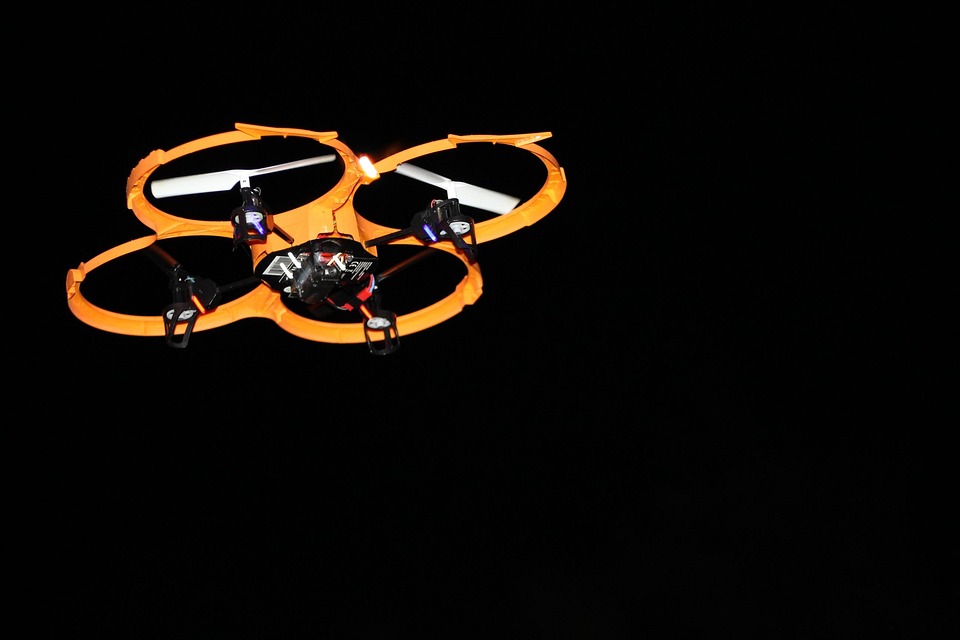
Flying drones during the day is an activity many enthusiasts enjoy, but night flying offers an entirely different perspective and set of challenges. The beauty of a cityscape illuminated against the night sky or the tranquility of a moonlit countryside can be mesmerizing when captured by a drone. However, mastering night drone flying requires specific expertise and preparation to ensure a safe and rewarding experience. In this article, we will explore essential tips and tricks to help you become proficient in flying your drone at night.
Understanding Regulations and Safety
Before taking your drone to the skies at night, it is crucial to understand the regulations and safety measures associated with night flying.
Check Local Regulations
Each country has its own set of rules regarding drone operations, and these can vary significantly. In the United States, for example, the Federal Aviation Administration (FAA) mandates that drone pilots must have an anti-collision light visible from at least three statute miles. It is essential to check the local regulations in your area to ensure compliance and avoid any legal issues.
Conduct a Pre-Flight Inspection
Before every flight, especially at night, conduct a thorough inspection of your drone. Check the battery level, propellers, and any installed lights. Ensure that all components are functioning correctly to prevent any mishaps during your flight.
Preparing for Night Flight
Preparation is key to a successful night flying experience. Here are some steps to take before embarking on your night flight:
Select the Right Location
Choosing the right location is critical for night flying. Opt for open areas away from obstructions such as trees, buildings, and power lines. Familiarize yourself with the area during daylight hours to identify any potential hazards that may not be as visible at night.
Use Appropriate Lighting
Equipping your drone with sufficient lighting is not only a regulatory requirement in many areas but also a practical necessity for visibility. Anti-collision lights, navigation lights, and additional spotlights can significantly improve your drone’s visibility and orientation during night flights.
Mastering Night Flying Techniques
Once you have prepared adequately, mastering specific techniques will enhance your night flying skills:
Maintain Visual Line of Sight
Keeping your drone within your visual line of sight is crucial, especially at night. Lights can help, but maintaining a visual line of sight ensures you can react quickly to any unforeseen obstacles or changes in the drone’s flight path.
Use FPV for Better Control
First Person View (FPV) can be beneficial when flying at night. FPV provides a real-time video feed from your drone, offering better situational awareness. However, it’s important to use FPV in conjunction with maintaining visual line of sight.
Practice Flight Maneuvers
Practice makes perfect. Spend time practicing basic flight maneuvers and emergency procedures in a controlled environment before attempting more complex flights at night. This practice will build your confidence and improve your reaction times.
Enhancing Your Night Flight Experience
To make the most of your night flying sessions, consider these tips for enhancing your experience:
Experiment with Camera Settings
Night photography and videography require different camera settings compared to daylight shots. Experiment with ISO, shutter speed, and aperture settings to capture the best possible footage in low-light conditions. Many drones come with preset night modes that can be a good starting point.
Plan Your Shots
Planning your shots in advance can make a significant difference in the quality of your footage. Consider the angles, movements, and lighting conditions you want to capture. Use flight planning software to map out your flight path and ensure you cover all desired shots.
Stay Updated with Technology
The drone industry is rapidly evolving, with new technologies and features being introduced regularly. Stay updated with the latest advancements, such as improved low-light cameras and AI-assisted navigation, which can enhance your night flying capabilities.
Troubleshooting Common Night Flying Issues
Even with careful planning and preparation, issues can arise during night flights. Here’s how to troubleshoot some common problems:
Dealing with Low Visibility
Low visibility is a common challenge when flying at night. Ensure your drone is equipped with ample lighting, and consider using a GPS-enabled device to track your drone’s location if visibility becomes too poor.
Addressing Signal Interference
Signal interference is more likely in urban areas with numerous electronic devices. To mitigate this, choose flight paths away from potential sources of interference and ensure your drone’s firmware is up-to-date.
Managing Battery Life
Batteries tend to deplete faster in colder night temperatures. Monitor your battery life closely and plan for shorter flights to ensure you have enough power to safely return to your launch point.
Conclusion
Flying drones at night opens up a world of possibilities for capturing stunning and unique perspectives. However, it requires careful preparation, adherence to regulations, and mastery of specific techniques to ensure a safe and successful experience. By understanding local regulations, preparing adequately, mastering flying techniques, and troubleshooting common issues, you can become proficient in night drone flying and enjoy the beauty of the night sky from above.
Remember, practice and patience are key. With time and experience, night flying will become an enjoyable and rewarding part of your drone piloting repertoire. So, equip your drone, prepare your flight plan, and take to the skies to explore the wonders of night drone flying.
#ChatGPT assisted in the creation of this article.
Share this content:



Post Comment