Master FPV Flying: Top Tips for Beginners
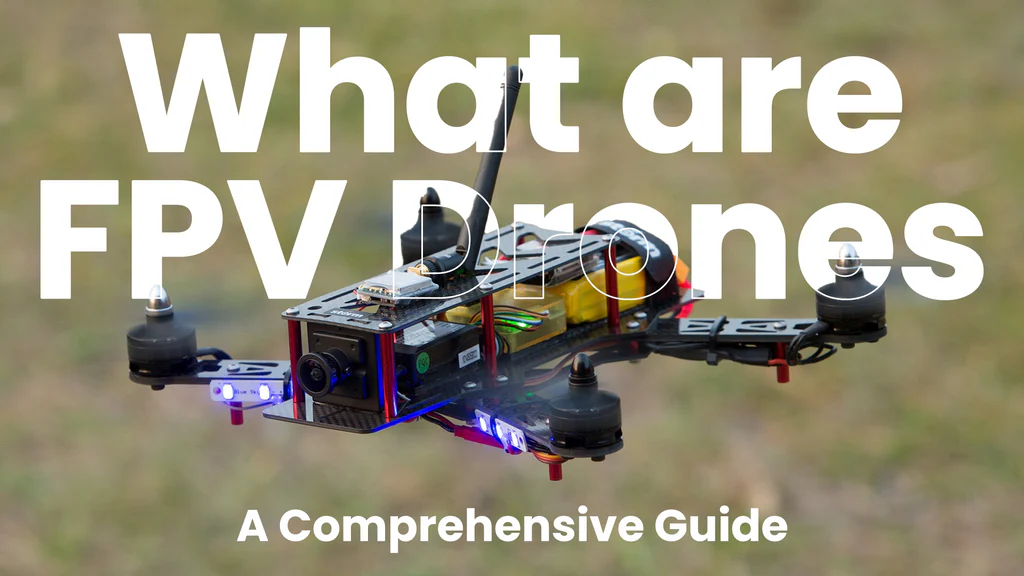
First-Person View (FPV) flying is an exhilarating experience that allows you to pilot a drone as if you were sitting inside it. With the rapid advancement in drone technology, FPV flying has become accessible to hobbyists and professionals alike. However, mastering FPV flying requires a blend of technical knowledge, practice, and patience. This article offers essential tips for beginners eager to dive into the world of FPV flying.
Understanding FPV Gear
Drones
Choosing the right drone is critical for a successful FPV flying experience. Beginners should opt for a sturdy, easy-to-fly model. Ready-to-Fly (RTF) drones are recommended for new pilots as they come pre-assembled with everything you need to get started. As you progress, you can explore Building Your Own (BYO) drones for a more personalized experience.
FPV Goggles
FPV goggles are your window into the skies, providing the immersive experience of piloting your drone from a first-person perspective. When selecting goggles, consider factors like resolution, field of view (FOV), and comfort. Higher resolution and wider FOV will enhance your flying experience.
Transmitters and Receivers
A reliable transmitter-receiver setup is crucial for effective communication between you and your drone. Beginners should look for user-friendly transmitters with adjustable settings to grow with their skills. A good range and latency should also be considered, as they will affect the control and response of your drone.
Learning to Fly
Start with a Simulator
Before taking to the skies, start with a flight simulator. Simulators offer a risk-free environment to practice maneuvers and get accustomed to the controls. Many simulators available today provide a realistic flying experience and can significantly shorten the learning curve.
Understand the Basic Controls
Understanding the basic controls is fundamental to FPV flying. The four main controls are throttle, yaw, pitch, and roll. Familiarize yourself with how each control affects your drone’s movement to become a proficient pilot. Start with slow, deliberate movements to grasp how each input translates to drone behavior.
Practice Hovering
Hovering is a fundamental skill in FPV flying. It requires maintaining a stable position in the air, which can be challenging for beginners. Practice hovering at different altitudes and conditions to improve your control and confidence.
Improving Your Skills
Mastering Turns and Circles
Once comfortable with basic maneuvers, start practicing turns and circles. Smooth, controlled turns are essential for navigating obstacles and maintaining a steady flight path. Practice both left and right turns to develop balanced skills.
Drills and Exercises
Incorporate drills and exercises into your practice routine to enhance your skills. Figure-eights, slaloms, and precision landing exercises can help improve your control and accuracy. Consistently challenging yourself with new drills will keep your skills sharp.
Learn to Handle Wind
Flying in windy conditions presents a unique set of challenges. It requires anticipation and quick adjustments to maintain control. Practice flying in mild wind conditions to gain experience and build confidence in managing external factors.
Maintaining Your Equipment
Regular Inspections
Regularly inspect your drone and equipment for wear and tear. Check for loose connections, damaged propellers, and battery health. Keeping your equipment in top condition will ensure a safe and enjoyable flying experience.
Battery Care
Proper battery care is crucial for safety and performance. Avoid overcharging or discharging your batteries completely. Store them in a cool, dry place and regularly check their health to prevent accidents.
Safety Tips
Fly in Open Spaces
As a beginner, choose open spaces free of obstacles and people. Parks, fields, and dedicated drone flying areas are ideal locations. Flying in open spaces minimizes the risk of accidents and gives you ample room to practice.
Respect Privacy and Regulations
Always respect the privacy of others and adhere to local regulations. Avoid flying over private property or restricted areas. Familiarize yourself with the rules and guidelines set by aviation authorities to ensure a legal and respectful flying experience.
Have a Spotter
Flying with a spotter can enhance safety and provide valuable feedback. A spotter can help you keep track of your drone’s position, alert you to potential hazards, and assist in case of emergencies.
Conclusion
Mastering FPV flying is a rewarding journey that combines technical skills, creativity, and exploration. By investing time in understanding your gear, practicing diligently, and prioritizing safety, you’ll be well on your way to becoming a proficient FPV pilot. Embrace the learning process, and enjoy the unique perspective FPV flying offers. Happy flying!
Share this content:



Post Comment