Master Drone Takeoff and Landing with Expert Tips
In the ever-evolving world of aerial technology, drones have emerged as indispensable tools for both hobbyists and professionals. Their applications range from photography and videography to industrial inspections and agricultural monitoring. However, mastering drone operations, particularly takeoff and landing, is crucial for ensuring safety and achieving optimal flight performance. This article delves into expert tips for mastering drone takeoff and landing, providing valuable insights for both beginners and seasoned drone pilots.
Understanding the Basics of Drone Takeoff and Landing
Before diving into the expert tips, it is essential to understand the basics of drone takeoff and landing. These two maneuvers are critical phases of any drone flight and require precise control and awareness of environmental conditions.
Components of a Successful Takeoff
1. **Pre-Flight Checks**: Ensuring that the drone is in optimal condition before takeoff is vital. This includes checking the battery levels, propeller condition, GPS connectivity, and the functionality of the remote control.
2. **Calibration**: Calibrating the drone’s compass and IMU (Inertial Measurement Unit) is crucial for stable flight. This process helps the drone’s onboard systems understand its orientation and position, reducing the risk of flight anomalies.
3. **Environmental Assessment**: Evaluating the takeoff area for potential obstacles, such as trees, buildings, or power lines, is important. Additionally, assessing wind conditions and ensuring a clear line of sight can prevent takeoff difficulties.
Key Aspects of a Smooth Landing
1. **Location Selection**: Choosing a safe and clear landing area is crucial. The landing zone should be free from obstacles and provide enough space for the drone to descend slowly and steadily.
2. **Descent Control**: Managing the descent speed is vital. A slow and controlled descent minimizes the impact at landing, reducing the risk of damage to the drone.
3. **Post-Landing Checks**: After landing, it is important to conduct post-flight checks to ensure the drone is undamaged and ready for future flights.
Expert Tips for Mastering Drone Takeoff
1. Ensure a Stable Platform
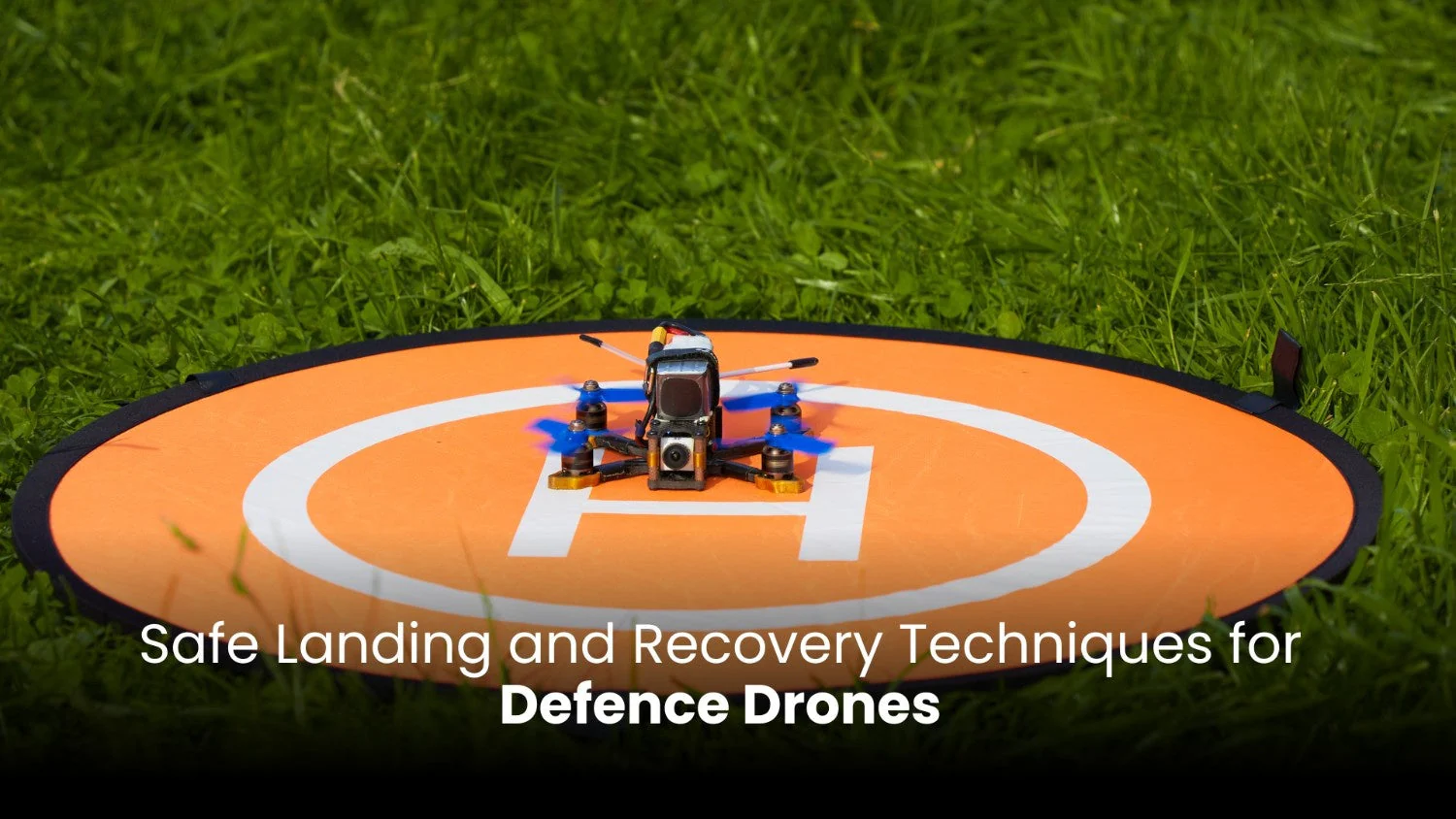
Using a landing pad or a stable surface can significantly enhance takeoff stability. These platforms provide a level surface, reducing the risk of the drone tilting on uneven ground.
2. Master the Hover
Before embarking on more complex maneuvers, practicing hovering is critical. A stable hover indicates that the drone’s systems are functioning correctly and that the pilot has control over the device.
3. Gradual Throttle Increase
Applying throttle gradually during takeoff helps prevent sudden jerks or instability. A smooth increase in throttle ensures that the drone ascends steadily and maintains balance.
4. Utilize GPS Lock
Ensuring that the drone has a strong GPS lock before takeoff is essential for stability and navigation. A reliable GPS connection aids in maintaining the drone’s position and orientation during flight.
5. Monitor Battery Levels
Starting with a fully charged battery is crucial for a successful takeoff. Monitoring the battery levels is important to avoid mid-air power issues, which can lead to crashes.
Expert Tips for Mastering Drone Landing
1. Plan Your Descent
Before initiating a landing, planning the descent path is important. A clear path free of obstacles ensures a smooth and safe landing.
2. Practice Controlled Descent
Practicing controlled descent helps in managing the drone’s speed and stability during landing. Reducing speed gradually as the drone approaches the ground minimizes impact and potential damage.
3. Use Landing Assistance Features
Many drones come equipped with landing assistance features, such as automatic landing or terrain detection. Utilizing these features can enhance landing precision and safety.
4. Choose Optimal Landing Zones
Selecting an optimal landing zone that is free of debris, water, or uneven surfaces is crucial. A stable and clear landing area reduces the risk of the drone tipping over upon contact.
5. Anticipate Environmental Changes
Being aware of environmental changes, such as sudden wind gusts or shifts in weather conditions, is important during landing. Quick adjustments may be necessary to maintain control and stability.
Advanced Techniques for Drone Takeoff and Landing
1. Autonomous Takeoff and Landing
Advanced drones often come with autonomous takeoff and landing capabilities. Familiarizing oneself with these features can enhance operational efficiency and reduce manual effort.
2. Precision Landings with Visual Markers
Using visual markers, such as colored mats or landing pads with distinct patterns, can aid in precision landings. The drone’s camera can use these markers to align and guide the landing process.
3. Wind Compensation Techniques
For takeoff and landing in windy conditions, understanding wind compensation techniques is crucial. This involves adjusting the drone’s orientation and speed to counteract wind effects.
4. Practicing Emergency Procedures
Being prepared for emergencies, such as sudden loss of control or battery failure, is important. Practicing emergency landing procedures can help mitigate damage and ensure safety.
Conclusion
Mastering drone takeoff and landing is a fundamental skill for any drone pilot. By incorporating expert tips and understanding the nuances of these maneuvers, pilots can enhance their flight safety and efficiency. Whether you’re a novice or an experienced operator, continual practice and awareness of environmental factors are key to achieving proficiency in drone operations. Remember, a successful takeoff and landing set the tone for a productive and enjoyable flight experience.
Share this content:




Post Comment