Master Drone Stability: Top Tips for Smooth Flights
Introduction
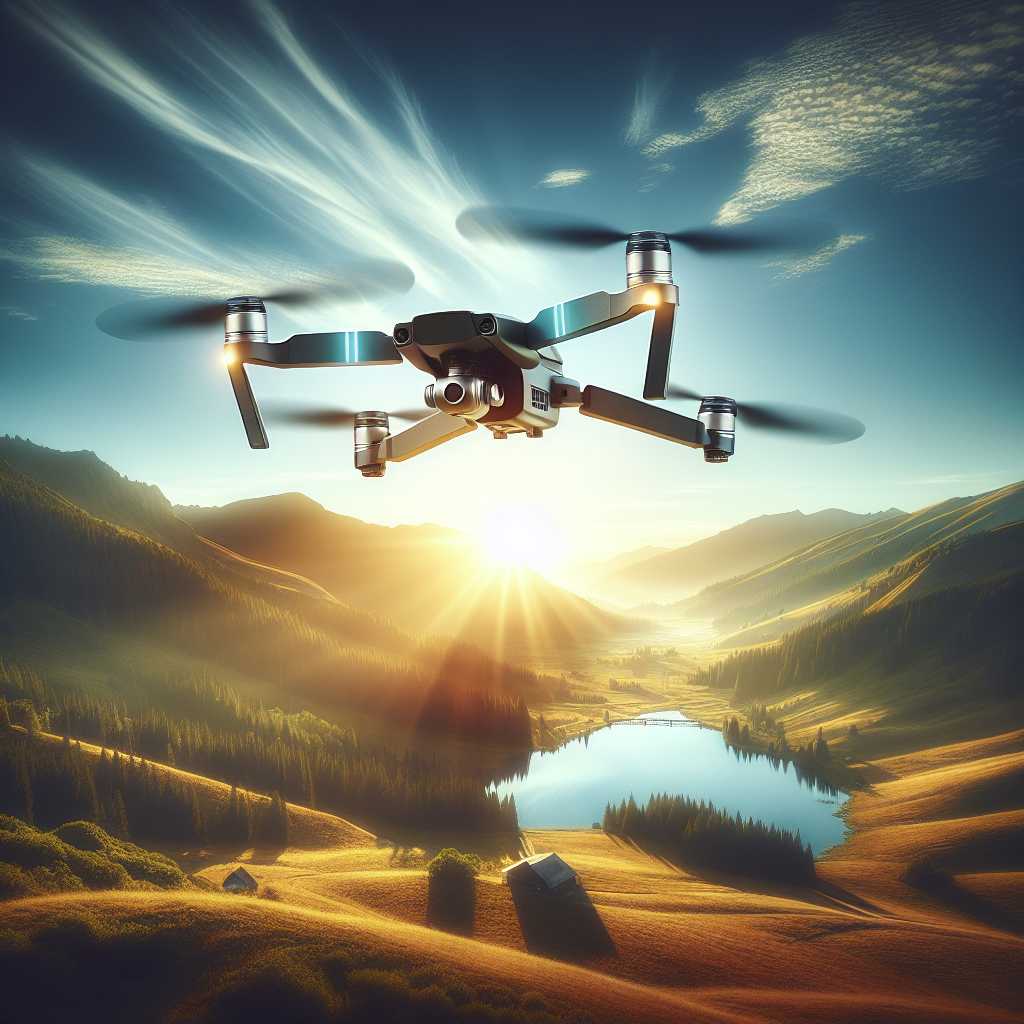
Flying a drone can be an exhilarating experience, offering unique perspectives and the ability to capture stunning aerial footage. However, achieving smooth and stable flights requires skill and practice. Whether you’re an amateur drone enthusiast or a seasoned pilot, mastering drone stability is essential for maximizing your drone’s performance and ensuring safety. In this article, we will explore top tips for achieving smooth flights and enhancing your drone flying experience.
Understanding Drone Stability
Drone stability is the ability of the aircraft to maintain a steady and controlled flight path without excessive wobbling, rolling, or drifting. Stability is influenced by various factors, including the drone’s design, flight control systems, and environmental conditions. By understanding these factors, pilots can better anticipate and manage stability challenges during flight.
Pre-Flight Preparations
Before taking to the skies, proper pre-flight preparations are crucial for ensuring a stable flight:
Check the Weather
Weather conditions play a significant role in drone stability. Wind, rain, and extreme temperatures can affect a drone’s performance. Always check the weather forecast before flying and avoid flying in adverse conditions. For beginners, it is best to practice flying on calm, clear days.
Inspect Your Drone
Conduct a thorough inspection of your drone before every flight. Check for any physical damage, such as cracks or loose parts, and ensure that the propellers are in good condition. Verify that the drone’s battery is fully charged and securely attached.
Update Firmware and Software
Manufacturers frequently release firmware updates to enhance drone performance and stability. Regularly check for and install updates for both your drone and its controller to ensure you have the latest features and improvements.
Mastering the Controls
Familiarity with your drone’s controls is fundamental to achieving stable flights:
Practice Basic Maneuvers
Start by mastering basic maneuvers, such as takeoff, landing, hovering, and gentle turns. Practice these skills in an open area with minimal obstacles. As you gain confidence, gradually increase the complexity of your maneuvers.
Understand Flight Modes
Most drones offer multiple flight modes, such as GPS mode, altitude hold, and manual mode. Learn the differences between these modes and practice using them. GPS mode is typically the most stable, as it allows the drone to maintain its position using satellite data.
Use the Gimbal for Stability
If your drone is equipped with a camera gimbal, use it to stabilize your shots. A gimbal absorbs vibrations and movements, resulting in smoother video footage. Practice adjusting the gimbal settings to achieve the desired level of stability.
Environmental Awareness
Being aware of your surroundings can significantly impact flight stability:
Avoid Obstacles
Always keep an eye out for potential obstacles, such as trees, buildings, and power lines. Plan your flight path to avoid these hazards and maintain a safe distance. Utilize your drone’s obstacle avoidance features if available.
Account for Wind
Wind is a common challenge for drone pilots. Learn to read wind patterns and adjust your flight accordingly. Fly into the wind during takeoff and maintain a low altitude to reduce wind impact. Practice flying in various wind conditions to improve your skills.
Maintaining Balance and Control
Maintaining balance and control is crucial for stable flights:
Properly Calibrate Your Drone
Calibrating your drone’s compass and sensors is essential for stable flight. Follow the manufacturer’s instructions for calibration procedures and make it a regular part of your pre-flight routine.
Monitor Battery Levels
Low battery levels can affect your drone’s stability and responsiveness. Always monitor the battery status during flight and plan to land well before the battery is depleted. Carry spare batteries for extended flight sessions.
Use Intelligent Flight Features
Many drones come equipped with intelligent flight features, such as return-to-home, follow-me, and waypoint navigation. These features can enhance stability by automating certain aspects of flight. Familiarize yourself with these options and use them to your advantage.
Post-Flight Analysis and Learning
Reviewing your flight performance and learning from each experience is vital for improving stability:
Analyze Flight Data
Many drones provide flight data that can be analyzed post-flight. Review this data to understand your flight path, speed, altitude, and any anomalies that occurred. Use this information to identify areas for improvement.
Seek Feedback and Guidance
Engage with the drone flying community by joining online forums or local clubs. Share your experiences and seek feedback from more experienced pilots. Learning from others can provide valuable insights and tips for improving stability.
Continuous Practice
Practice makes perfect. Regularly flying your drone in various conditions will help you develop the skills necessary for stable flights. Set specific goals for each practice session and track your progress over time.
Conclusion
Mastering drone stability is a journey that requires patience, practice, and a willingness to learn. By understanding and implementing the tips outlined in this article, you can achieve smoother flights and enhance your drone flying experience. Remember to prioritize safety and always fly responsibly. With dedication and effort, you’ll soon be capturing breathtaking aerial footage with confidence and precision.
#ChatGPT assisted in the creation of this article.
Share this content:



Post Comment