Master Drone Speed Control: Essential Tips for Pilots
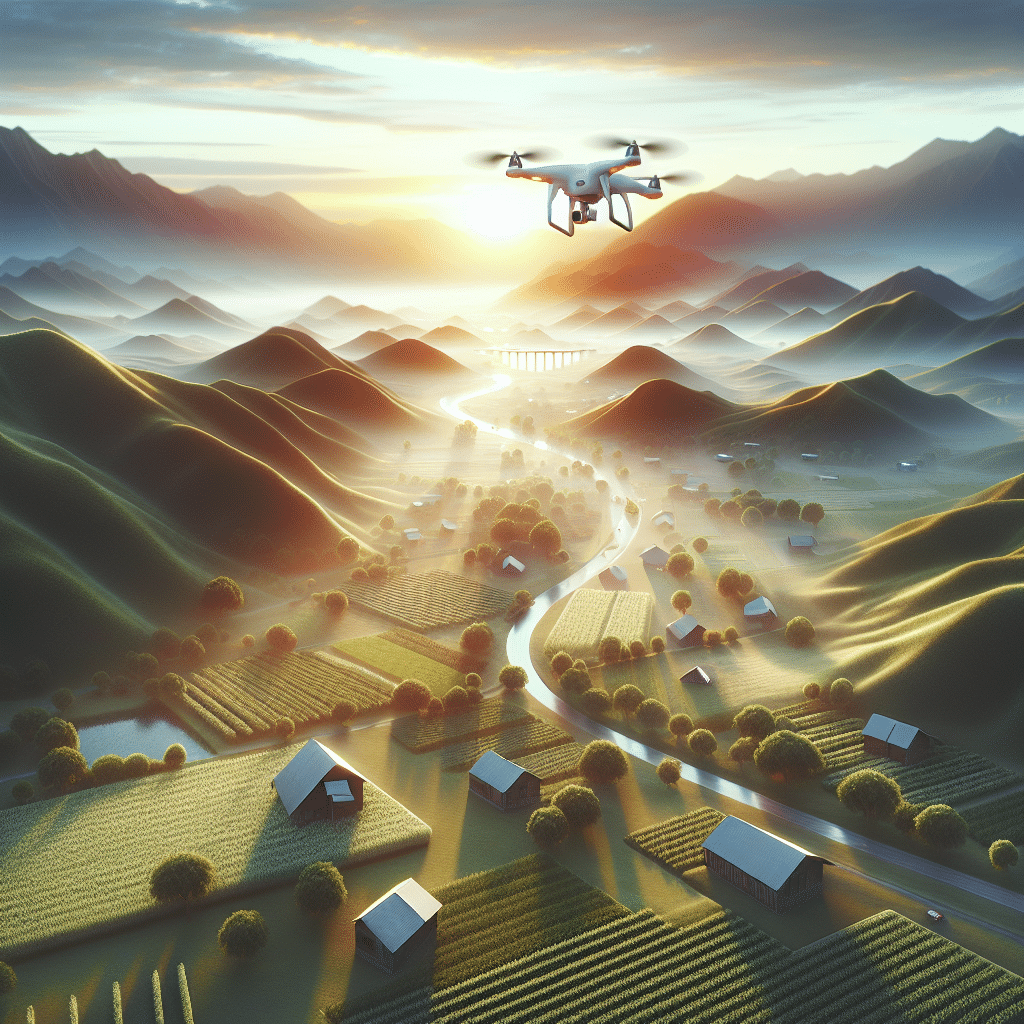
Drones have revolutionized the way we capture images, survey landscapes, and explore new territories. However, mastering drone operations requires more than just knowing how to take off and land. One of the most crucial skills every drone pilot must develop is speed control. Whether you’re a beginner or an experienced pilot, understanding how to manage your drone’s speed effectively can make a significant difference in your flying experience. This article provides essential tips that will help you master drone speed control, ensuring a safer and more efficient flight.
Understanding the Importance of Speed Control
Speed control is vital for several reasons. Firstly, it affects the drone’s stability and maneuverability. A drone flying at high speeds can be harder to control, especially in adverse weather conditions. Secondly, speed impacts battery life. Faster flights drain the battery more quickly, limiting flight time. Lastly, speed control is crucial for capturing quality video footage. Slow and steady movement often results in smoother and more cinematic shots.
Know Your Drone’s Specifications
Before you start flying, it’s essential to familiarize yourself with your drone’s specifications. Every drone model has different speed capabilities, and understanding these limits will help you operate within safe parameters. Check the user manual for maximum speed, acceleration, and deceleration rates. Some drones also offer different flight modes—such as sport, normal, and cinematic—which can affect speed and handling.
Practice in a Controlled Environment
Before venturing into challenging terrains, practice controlling your drone’s speed in a safe and controlled environment. Open fields, empty parking lots, or designated drone practice areas are ideal. Start with basic maneuvers, gradually increasing speed as you become more comfortable. Practicing in a controlled setting allows you to make mistakes without significant consequences.
Utilize Flight Simulators
Flight simulators are a valuable tool for honing your speed control skills without the risk of crashing your drone. Many drone manufacturers offer simulators that replicate real-flight dynamics. Use these simulators to practice speed adjustments, sharp turns, and emergency stops. This experience will translate into more confidence and skill during actual flights.
Start with Low-Speed Modes
Most drones come with different speed settings. When learning to control speed, start with the low-speed mode. This setting limits the drone’s maximum speed, allowing for smoother and more controlled flights. As you become more proficient, you can switch to higher speed modes. Remember, mastering speed control is a gradual process, and patience is key.
Master Throttle Control
Throttle control is the key to managing your drone’s speed. The throttle stick on your remote controller determines the drone’s altitude and speed. Practice gentle movements of the throttle stick to make smooth adjustments to your drone’s speed. Abrupt changes can lead to instability and potential crashes. Consistent practice will help you develop a delicate touch, essential for precise speed control.
Understand the Impact of Wind
Wind is one of the most significant factors affecting drone speed control. Flying against the wind requires more power, reducing speed and consuming more battery life. Conversely, flying with the wind can increase speed unexpectedly. Always check the weather conditions before flying and adjust your flight plan accordingly. If the wind is strong, consider postponing your flight or flying in sheltered areas.
Use GPS and Altitude Hold Features
Many modern drones come equipped with GPS and altitude hold features. These can be incredibly useful for maintaining a consistent speed. GPS helps stabilize the drone’s position, while altitude hold keeps it at a constant height. These features reduce the need for constant manual adjustments, allowing you to focus more on speed control and maneuvering.
Learn to Use Brakes and Emergency Stops
Braking is an essential part of speed control. Many drones have a braking function that allows you to stop the drone quickly. Familiarize yourself with how this feature works and practice using it during your flights. Additionally, learn how to perform emergency stops. These are crucial for avoiding obstacles or sudden changes in your flight path.
Implement Smooth Speed Transitions
For a professional flying experience, practice smooth transitions between different speeds. Sudden speed changes can lead to jerky movements, affecting video quality and increasing the risk of losing control. Gradual acceleration and deceleration will result in a smoother flight, which is particularly important for capturing high-quality aerial footage.
Monitor Battery Levels
Speed directly affects battery consumption. High-speed flights drain the battery more quickly, reducing flight time. Always monitor your drone’s battery levels, and plan your speed adjustments accordingly. It’s crucial to return to your starting point or a safe landing area before the battery runs out completely.
Adapt to Different Environments
Different environments require different speed control strategies. For instance, flying in a forested area with obstacles demands slower speeds for precise navigation. In contrast, open areas may allow for faster flights. Always adapt your speed to the environment, prioritizing safety and control over speed.
Learn from Experienced Pilots
One of the best ways to improve your speed control skills is to learn from experienced pilots. Join drone enthusiast groups, participate in forums, and watch tutorial videos online. Experienced pilots can offer valuable insights and tips based on their flying experiences.
Regularly Update Your Drone’s Firmware
Manufacturers often release firmware updates that improve drone performance, including speed control features. Regularly check for and install these updates to ensure your drone operates at its best. Updated firmware can enhance stability, battery efficiency, and overall speed management.
Conclusion
Mastering drone speed control is an essential skill for any pilot. It enhances flight safety, improves video quality, and extends battery life. By understanding your drone’s specifications, practicing in controlled environments, and utilizing tools like flight simulators, you can develop the skills needed for precise speed control. Remember to adapt to different environments, monitor battery levels, and learn from experienced pilots. With patience and practice, you’ll become proficient in managing your drone’s speed, leading to more enjoyable and successful flights.
#ChatGPT assisted in the creation of this article.
Share this content:



Post Comment