Master Drone Flying: Ultimate Training Guide

In recent years, drones have become a staple in various fields, ranging from photography and videography to agriculture and search and rescue operations. Mastering drone flying not only enhances your skills but also opens up numerous opportunities across different industries. This comprehensive guide will provide you with everything you need to become a proficient drone pilot.
Understanding the Basics of Drone Flying
Before taking your drone to the skies, it’s crucial to understand the fundamentals. This includes familiarizing yourself with the different types of drones, their components, and how they operate.
Types of Drones
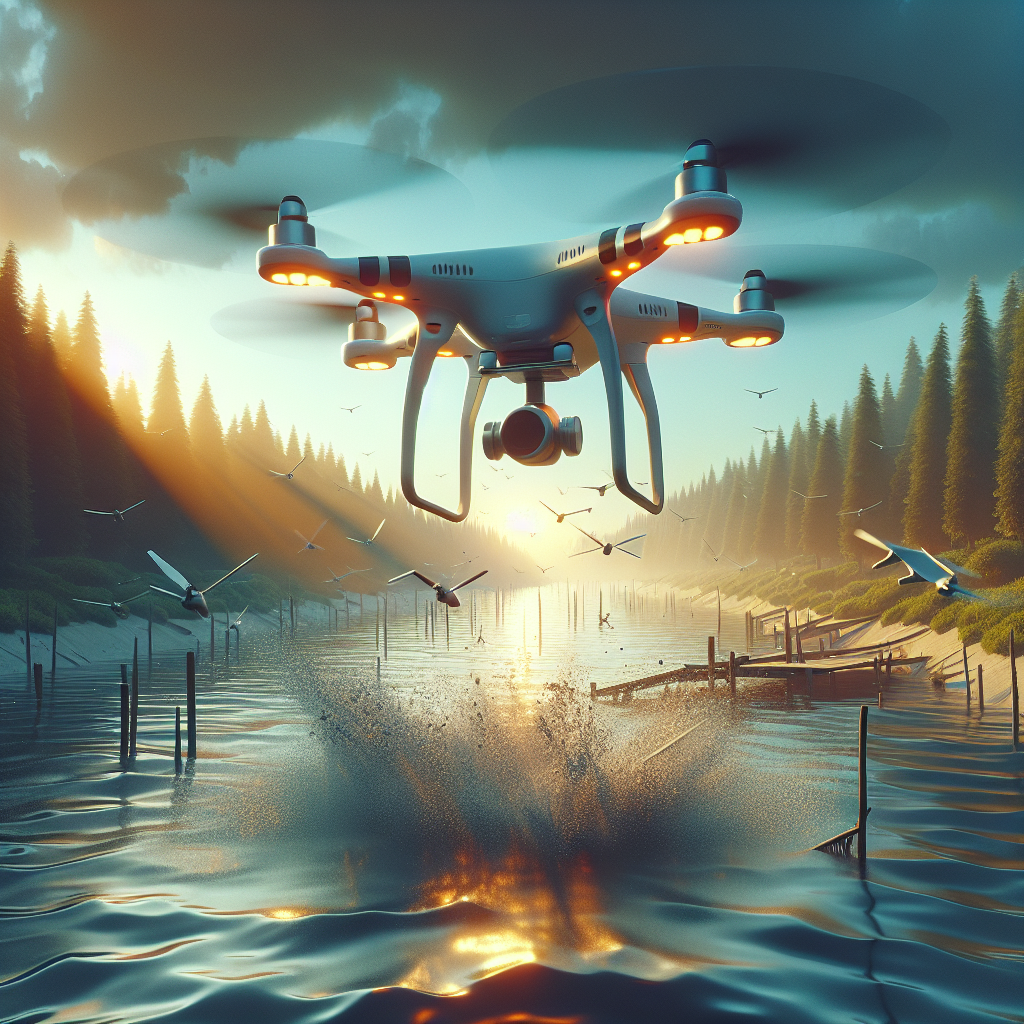
Drones come in various shapes and sizes, each designed for specific purposes. Common types include:
- Quadcopters: The most popular type, ideal for beginners and hobbyists.
- Fixed-wing drones: Better for long-distance flights and often used in commercial applications.
- Single rotor helicopters: More complex but capable of longer flight times and heavier payloads.
Drone Components
Understanding the key components of a drone will help you operate and troubleshoot it effectively. These include:
- Frame: The main body that houses all other components.
- Motors and Propellers: Provide lift and control to the drone.
- Flight Controller: The brain of the drone, responsible for stability and navigation.
- Battery: Powers the drone, determining flight time.
- Camera (if equipped): Captures images and videos from the sky.
Legal and Safety Considerations
Operating a drone comes with legal and safety responsibilities. Ensuring compliance with regulations and adopting safe practices is paramount.
Regulations and Licensing
Drone regulations vary by country, but common requirements include:
- Registering your drone with relevant authorities.
- Obtaining a license for commercial drone operations.
- Adhering to no-fly zones and altitude limits.
Safety Practices
Safety is a top priority when flying drones. Adopt the following practices:
- Conduct pre-flight checks to ensure your drone is in optimal condition.
- Fly in clear weather conditions to avoid accidents.
- Maintain a line of sight with your drone at all times.
Mastering Drone Controls
Mastering the controls is essential for precise and safe flying. Familiarize yourself with the remote controller and practice basic maneuvers.
Understanding the Remote Controller
The remote controller is your primary interface with the drone. It typically consists of:
- Left Stick: Controls throttle (up and down) and yaw (left and right rotation).
- Right Stick: Controls pitch (forward and backward) and roll (left and right).
- Additional Buttons: May include camera controls, return-to-home function, and more.
Basic Maneuvers
Begin with mastering these basic maneuvers:
- Hovering: Maintain a stable position in the air.
- Ascending and Descending: Control the drone’s altitude smoothly.
- Yawing: Rotate the drone to change its direction while maintaining position.
- Pitching and Rolling: Move the drone forward, backward, left, or right.
Advanced Drone Flying Techniques
Once you’re comfortable with the basics, you can move on to advanced techniques to enhance your flying skills and creativity.
Circular and Orbit Flights
These techniques involve flying in a circular path around a point of interest, ideal for capturing dynamic shots.
Tracking Shots
Use your drone to follow a moving subject, keeping it in frame for cinematic footage.
Return to Home (RTH)
Understand how to use the RTH function, which automatically brings your drone back to its takeoff point in case of signal loss or low battery.
Optimizing Drone Performance
To get the most out of your drone, it’s essential to optimize its performance through regular maintenance and thoughtful operation.
Battery Management
Maximize battery life by:
- Fully charging the battery before use.
- Avoiding complete discharge during flights.
- Storing batteries in a cool, dry place.
Regular Maintenance
Keep your drone in top condition with regular maintenance:
- Check and clean the propellers and motors regularly.
- Inspect the frame for any signs of damage.
- Update the drone’s firmware for improved performance and features.
Enhancing Your Drone Skills
Continuous improvement is key to mastering drone flying. Consider the following tips to enhance your skills:
Join Drone Communities
Engage with other drone enthusiasts to share experiences, tips, and opportunities for collaboration.
Take Online Courses
Enroll in online courses or workshops to learn advanced techniques and stay updated with industry trends.
Practice Regularly
Consistent practice is the most effective way to improve your skills. Dedicate time to flying in different environments and conditions.
Conclusion
Mastering drone flying is an exciting and rewarding journey. By understanding the basics, adhering to safety regulations, and continuously improving your skills, you can unlock the full potential of drone technology. Whether you’re flying for leisure or professional purposes, this ultimate training guide will help you become a skilled and responsible drone pilot.
#ChatGPT assisted in the creation of this article.
Share this content:



Post Comment