Master Drone Flight Planning for Optimal Performance
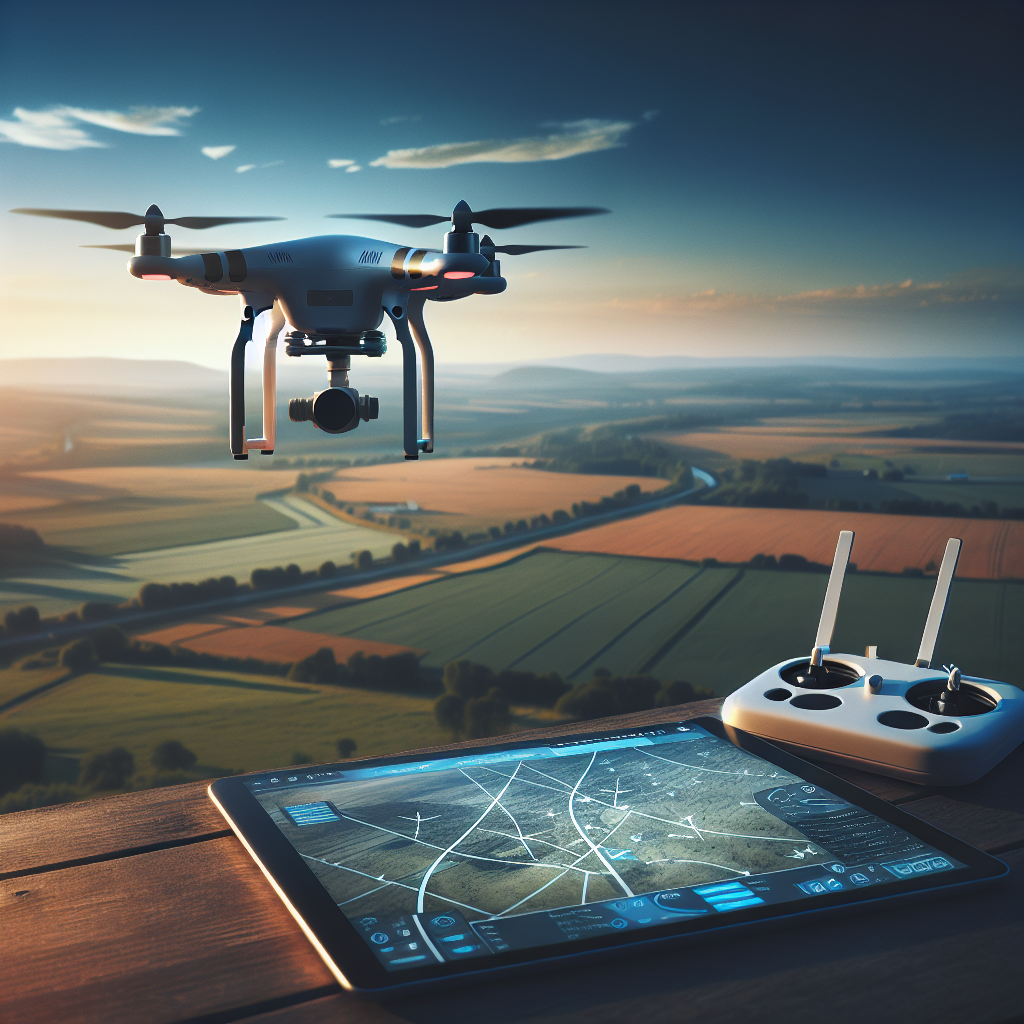
Introduction
In recent years, drones have transformed from niche gadgets into essential tools for various industries, including photography, agriculture, and logistics. Despite their growing popularity, mastering drone flight planning remains a critical skill for ensuring optimal performance and efficiency. This article delves into drone flight planning, offering expert insights and practical tips to elevate your drone piloting skills.
Understanding the Importance of Flight Planning
Flight planning is an integral part of drone operations, ensuring that missions are completed safely, efficiently, and within regulatory boundaries. Proper planning reduces the risk of accidents, optimizes battery usage, and ensures that objectives are met. Whether you’re capturing aerial footage or conducting a survey, meticulous flight planning is the foundation of success.
Key Elements of Drone Flight Planning
To master flight planning, it’s essential to understand the key elements involved in the process. These elements include pre-flight checks, airspace assessment, environmental considerations, and mission-specific requirements.
Pre-Flight Checks
Before any flight, conducting thorough pre-flight checks is crucial. This involves inspecting the drone for any physical damage, ensuring that batteries are fully charged, and verifying that all firmware and software are up to date. Additionally, calibrating the drone’s compass and ensuring the GPS is functioning optimally are essential steps to prevent in-flight issues.
Airspace Assessment
Understanding the airspace where you intend to fly is vital to avoid legal issues and ensure safety. This involves checking for any restricted or controlled airspace in the vicinity and obtaining necessary permissions or waivers if required. Using tools like the FAA’s B4UFLY app or similar applications in other countries can help identify airspace restrictions and provide real-time updates.
Environmental Considerations
Weather conditions significantly impact drone performance. Before takeoff, assess wind speeds, temperature, and precipitation levels. Flying in adverse weather not only poses a risk to the drone but can also compromise the quality of the data or footage collected. Utilize reliable weather forecasting tools to determine the best time for your flight.
Mission-Specific Requirements
Different missions require tailored flight plans. For instance, mapping a large agricultural field differs from capturing cinematic footage. Define the purpose of the operation clearly and outline the specific flight path, altitude, and camera settings needed to achieve your goals.
Creating an Effective Flight Plan
With a clear understanding of the key elements, the next step is to create a detailed flight plan. Follow these steps to ensure comprehensive planning:
Define Objectives
Clearly articulate the primary objectives of the flight. Are you conducting a survey, capturing imagery, or inspecting infrastructure? Understanding the end goal will help shape the flight plan and determine the necessary equipment and settings.
Select the Right Drone and Equipment
Choose a drone that suits the mission’s requirements. Consider factors such as flight time, camera quality, and payload capacity. Additionally, ensure that you have the necessary accessories, such as extra batteries, propellers, and data storage devices, to support the mission.
Plan the Flight Path
Designing an efficient flight path is crucial for maximizing battery life and ensuring comprehensive coverage of the target area. Use mapping software to plot waypoints, set altitudes, and define the route. Consider obstacles, restricted zones, and elevation changes when designing the path.
Conduct a Risk Assessment
Identify potential risks associated with the flight and develop mitigation strategies. This includes analyzing potential obstacles, evaluating weather conditions, and preparing for emergency scenarios. Having a contingency plan in place is essential for addressing unexpected events during the flight.
Utilizing Technology for Enhanced Flight Planning
Leveraging advanced technology can significantly enhance flight planning and execution. Here are some tools and technologies that can assist in optimizing drone operations:
Mapping Software
Several mapping software options are available to aid in flight planning. These programs allow users to create detailed maps, set waypoints, and simulate flight paths. Examples include DroneDeploy, Pix4D, and DJI’s Ground Station Pro, which offer user-friendly interfaces and robust planning capabilities.
Real-Time Data Analysis
Real-time data analysis tools can provide valuable insights during the flight. These tools allow operators to monitor flight parameters, track the drone’s location, and analyze data as it is collected. This ensures that any necessary adjustments can be made on the fly to achieve optimal results.
Automated Flight Modes
Many modern drones come equipped with automated flight modes that simplify complex maneuvers. Modes such as waypoint navigation, orbit, and follow-me can be utilized to execute precise flight paths with minimal manual intervention. Familiarizing yourself with these modes can enhance efficiency and accuracy.
Post-Flight Analysis and Optimization
After completing a flight, conducting a thorough post-flight analysis is crucial for optimizing future operations. Here’s how to effectively analyze and learn from each flight:
Review Collected Data
Examine the data or footage collected during the flight to assess its quality and completeness. Identify any gaps or areas of improvement, such as camera settings, flight paths, or environmental factors that may have impacted the results.
Analyze Flight Logs
Reviewing flight logs can provide valuable insights into the drone’s performance. Analyze parameters such as altitude, speed, battery usage, and signal strength to identify any anomalies or areas for improvement. Many drones offer built-in logging capabilities that allow for detailed analysis.
Gather Feedback and Adjust
If working in a team or with clients, gather feedback on the results and overall experience. Use this feedback to adjust planning strategies and improve future flights. Continuous learning and adaptation are key to mastering drone flight planning.
Conclusion
Mastering drone flight planning is an ongoing process that requires a combination of knowledge, experience, and technological prowess. By understanding the key elements of flight planning, leveraging advanced tools, and conducting thorough post-flight analyses, drone operators can achieve optimal performance and efficiency. Whether you are a hobbyist or a professional, investing time and effort into mastering flight planning will undoubtedly enhance your drone operations and lead to more successful missions.
#ChatGPT assisted in the creation of this article.
Share this content:




Post Comment