Master Aerial Photography: Top Techniques Revealed
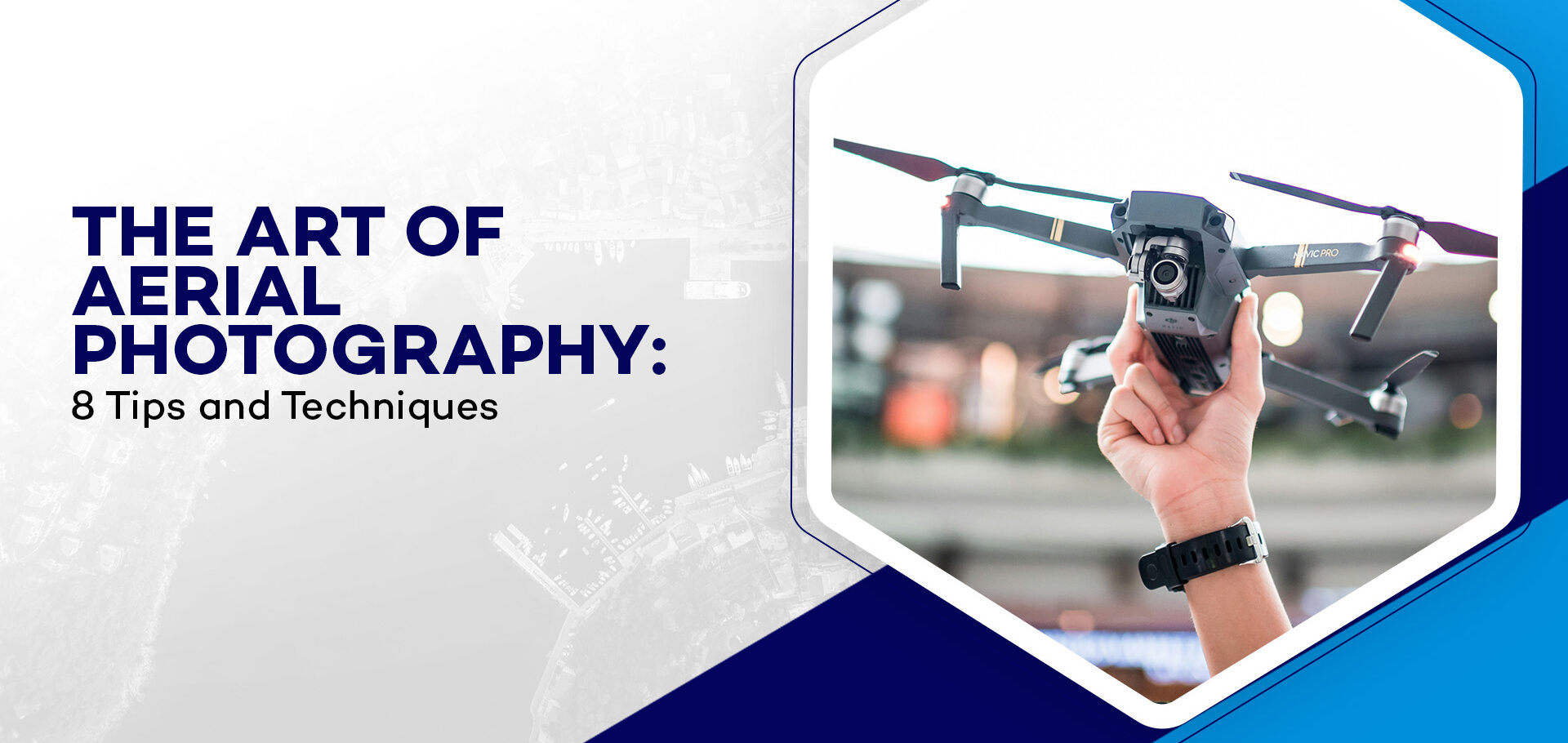
Aerial photography and videography have emerged as revolutionary tools for capturing the world from above, offering new perspectives that were once only accessible by aircraft. With the advent of drones, this once niche field has become accessible to professionals and hobbyists alike. Mastering aerial photography involves more than just flying a drone; it requires an understanding of various techniques and considerations that enhance the quality and creativity of your shots.
Understanding Your Equipment
Before delving into techniques, it’s crucial to understand the equipment used in aerial photography. Most aerial photographers use drones, which vary significantly in terms of camera quality, flight stability, and controls. High-end drones come with sophisticated cameras capable of shooting in 4K or even 8K resolution, offering features like gimbal stabilization, raw image capture, and advanced flight modes.
Choosing the Right Drone
Selecting the right drone is the first step towards mastering aerial photography. Consider factors such as camera quality, flight time, range, and features like obstacle avoidance and GPS. Brands like DJI, Autel Robotics, and Parrot are popular for their reliable and high-performance drones.
Understanding Camera Settings
Familiarize yourself with the camera settings on your drone. Manual settings such as ISO, shutter speed, and aperture can significantly impact the quality of your images. In aerial photography, where lighting conditions can change rapidly, knowing how to adjust these settings on the fly is essential.
Mastering Composition and Framing
Composition is a fundamental aspect of photography that becomes even more crucial in aerial shots. The unique perspective offered by drones allows for creative compositions that aren’t possible from the ground.
The Rule of Thirds
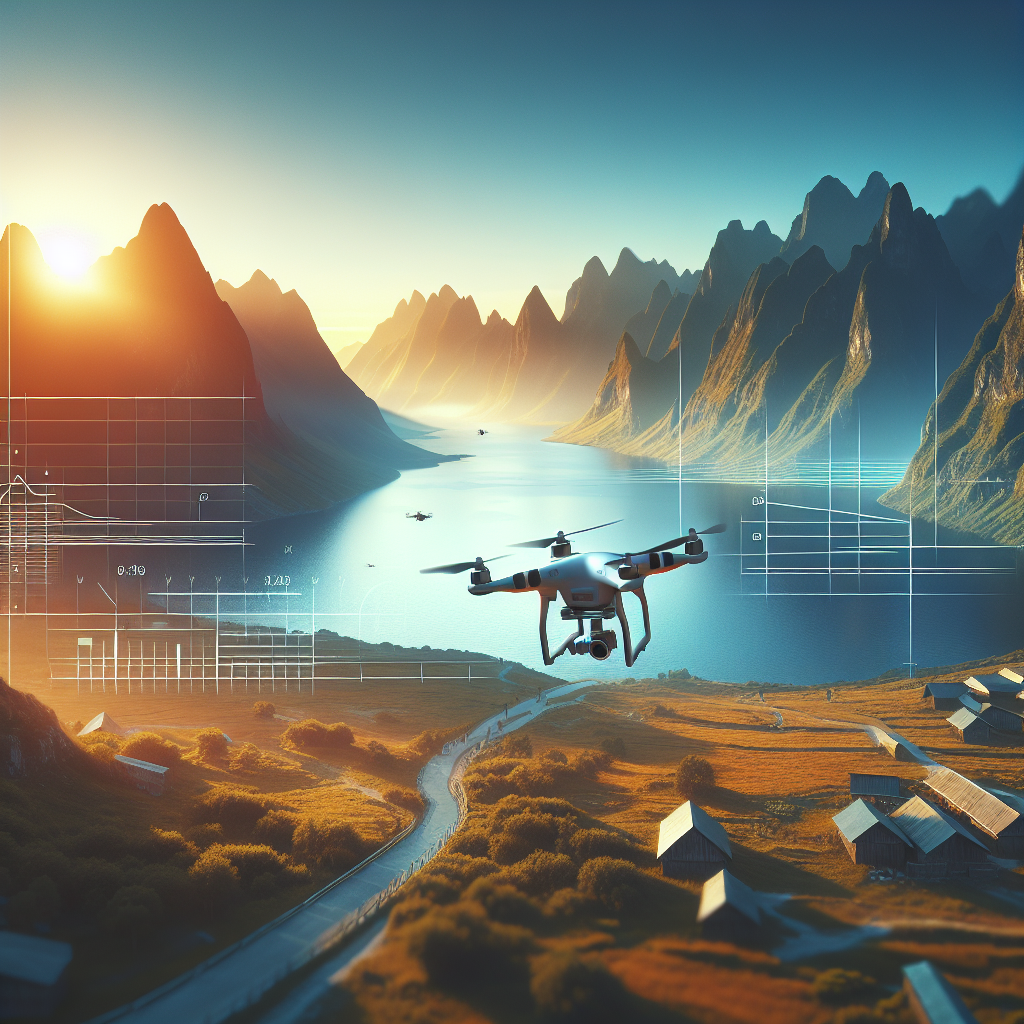
The rule of thirds is a classic compositional technique that helps create balance and interest in a photograph. Imagine dividing your frame into nine equal sections with two horizontal and two vertical lines. Place key elements along these lines or at their intersections to create a more engaging image.
Leading Lines and Patterns
From above, landscapes can reveal patterns and lines that aren’t visible from the ground. Use natural lines, like roads, rivers, or coastlines, to guide the viewer’s eye through the image. Patterns, such as farmland or urban grids, can also add depth and interest.
Framing and Scale
Use natural elements to frame your subject, creating a sense of depth. Additionally, incorporating recognizable objects like buildings or trees can provide a sense of scale, helping viewers understand the size of the landscape.
Lighting and Time of Day
Lighting plays a crucial role in aerial photography, affecting mood, contrast, and color. Understanding how different times of day affect lighting can help you capture stunning images.
Golden Hour
The golden hour, shortly after sunrise or before sunset, provides soft, warm lighting that enhances colors and reduces harsh shadows. This is often the best time for capturing landscapes and cityscapes.
Blue Hour
The blue hour occurs just before sunrise and after sunset. The sky takes on a deep blue hue, and artificial lights start to contrast beautifully with the natural light, offering a unique atmosphere.
Midday Challenges
Shooting during midday can be challenging due to harsh shadows and high contrast. However, it can work well for black and white photography or when shooting in locations with diffuse lighting, such as overcast skies or dense forests.
Advanced Techniques
Once you’ve mastered the basics, exploring advanced techniques can elevate your aerial photography to new heights.
HDR and Bracketing
High Dynamic Range (HDR) photography involves capturing multiple exposures of the same scene and blending them to achieve a balanced image. This technique is especially useful in high-contrast scenes, allowing details in both shadows and highlights to be visible.
Panoramas
Creating panoramic images involves stitching together multiple photos to capture a wider field of view. Drones often have automated panorama modes, making it easier to capture expansive landscapes.
Long Exposure
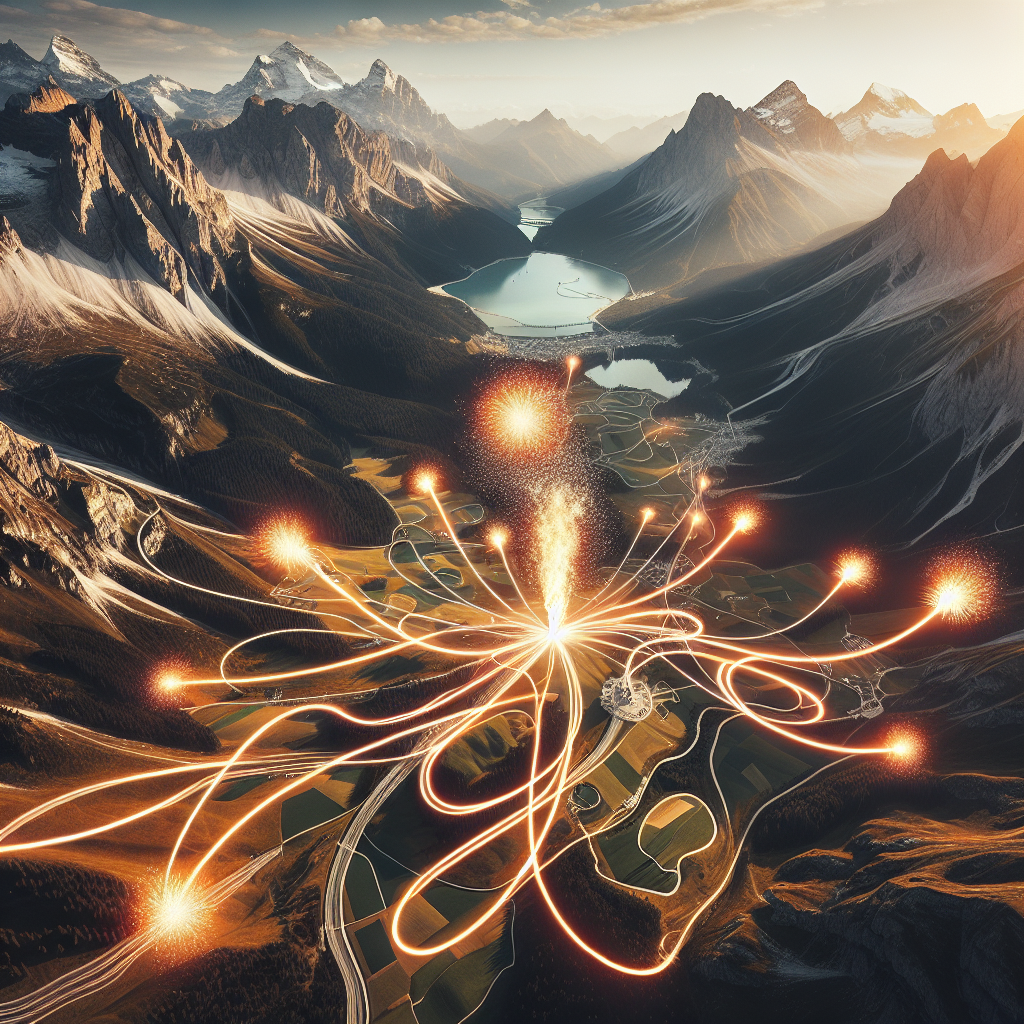
Long exposure photography can create stunning effects, such as smooth water surfaces or light trails. Use ND filters to reduce light intake, allowing you to use longer shutter speeds even in bright conditions.
Post-Processing Tips
Post-processing is an integral part of digital photography, allowing you to enhance and refine your images. Software like Adobe Lightroom and Photoshop offers powerful tools for editing aerial photos.
Color Correction
Adjust the white balance and colors to ensure your images appear natural and vibrant. Aerial images often require adjustments to compensate for atmospheric conditions that can affect color accuracy.
Enhancing Details
Use sharpening tools to enhance details, especially in textures like foliage or urban architecture. Be cautious not to over-sharpen, as this can introduce noise.
Removing Distortions
Correct lens distortions and vignetting that can occur with wide-angle drone lenses. Most editing software has built-in profiles for popular drone models to simplify this process.
Legal and Safety Considerations
As you refine your skills in aerial photography, it’s important to adhere to legal and safety guidelines to ensure responsible flying.
Understanding Regulations
Familiarize yourself with local drone regulations, which may include restrictions on flight altitudes, no-fly zones, and registration requirements. Regulations vary by country, so always check the rules applicable to your location.
Ensuring Safety
Prioritize safety by conducting pre-flight checks, maintaining line-of-sight with your drone, and avoiding crowded areas. Be mindful of weather conditions, as wind and rain can affect flight stability.
Conclusion
Mastering aerial photography is a journey of continuous learning and experimentation. By understanding your equipment, mastering composition, working with natural light, and exploring advanced techniques, you can capture breathtaking images from the sky. Remember to always fly responsibly and stay updated with the latest developments in drone technology and regulations. With practice and creativity, the sky is truly the limit for your aerial photography adventures.
Share this content:

Post Comment