Essential Guide: Understanding Drone License Requirements
Drones have revolutionized various industries, from agriculture to cinematography, by offering unprecedented aerial capabilities. However, with great power comes great responsibility, and the operation of drones is subject to regulatory oversight to ensure safety and privacy. One crucial aspect of this regulation is the requirement for a drone license. This guide provides an in-depth look at the essential components of drone license requirements, helping aspiring drone pilots navigate the legal landscape.
Why Drone Licenses Are Necessary
The surge in drone usage has raised concerns about airspace safety, privacy, and security. Licenses serve as a regulatory measure to ensure that drone operators understand and comply with the rules governing drone operations. They are essential for maintaining safe skies and protecting the public from potential hazards associated with drone flights.
Types of Drone Licenses
Drone licenses vary depending on the intended use of the drone. Here are the main types of licenses typically required:
Recreational Drone Pilot License
For hobbyists flying drones for personal enjoyment, a recreational drone pilot license may be required. This type of license generally involves understanding basic safety guidelines and registering the drone with the relevant aviation authority.
Commercial Drone Pilot License
Commercial drone operations, such as aerial photography services or agricultural monitoring, require a commercial drone pilot license. This license ensures that operators have the necessary skills and knowledge to conduct commercial activities safely and efficiently. The requirements are more stringent than those for recreational pilots, often involving passing a specialized knowledge test.
Specialized Drone Licenses
Certain applications, such as operating drones beyond the visual line of sight (BVLOS) or in restricted airspace, may require additional certifications or waivers. These specialized licenses are tailored to unique operational needs and involve rigorous evaluation processes.
The Licensing Process
Obtaining a drone license typically involves several key steps, each designed to ensure that the operator is competent and compliant with regulations.
Step 1: Understanding Regulatory Bodies
Before applying for a drone license, it’s important to understand which regulatory body governs drone operations in your region. In the United States, the Federal Aviation Administration (FAA) oversees drone regulations. In Europe, the European Union Aviation Safety Agency (EASA) plays a similar role. Familiarizing yourself with the relevant authority’s guidelines is crucial.
Step 2: Meeting Basic Requirements
Basic requirements for obtaining a drone license often include age restrictions (usually 16 years and older), proficiency in the national language, and a clean legal record. Additionally, applicants must possess a valid form of identification and, in some cases, proof of residency.
Step 3: Passing the Knowledge Test
The knowledge test is a critical component of the licensing process. It assesses the applicant’s understanding of airspace regulations, weather conditions, drone maintenance, and emergency procedures. Study materials and practice exams are typically provided by the regulatory body to help applicants prepare.
Step 4: Completing Flight Training
While not always mandatory, flight training is highly recommended for drone operators. Training programs provide hands-on experience and cover essential skills such as maneuvering, navigation, and emergency management. Some licenses may require a certain number of flight hours to be logged before issuance.
Step 5: Submitting Your Application
Once the above steps are completed, applicants can submit their license application. This usually involves providing personal information, test results, and proof of flight training, if applicable. The application process may also include a fee.
Maintaining and Renewing Your Drone License
After obtaining a drone license, operators must adhere to a set of ongoing requirements to maintain their certification. These include:
Adhering to Operational Guidelines
Licensed drone pilots must consistently follow operational guidelines, such as flying within visual line of sight, avoiding restricted areas, and respecting privacy laws. Failure to comply can result in penalties or license revocation.
Continuing Education
To stay informed about evolving regulations and technologies, many regulatory bodies require drone pilots to engage in continuing education. This may involve attending workshops, completing online courses, or participating in industry conferences.
License Renewal
Drone licenses are typically valid for a set period, after which they must be renewed. The renewal process ensures that pilots remain up-to-date with current regulations and best practices. It often involves a refresher knowledge test and a review of flight logs.
Global Variations in Drone Licensing
While the basic principles of drone licensing are similar worldwide, specific requirements can vary significantly from one country to another. Understanding these variations is crucial for operators planning to fly drones internationally.
United States
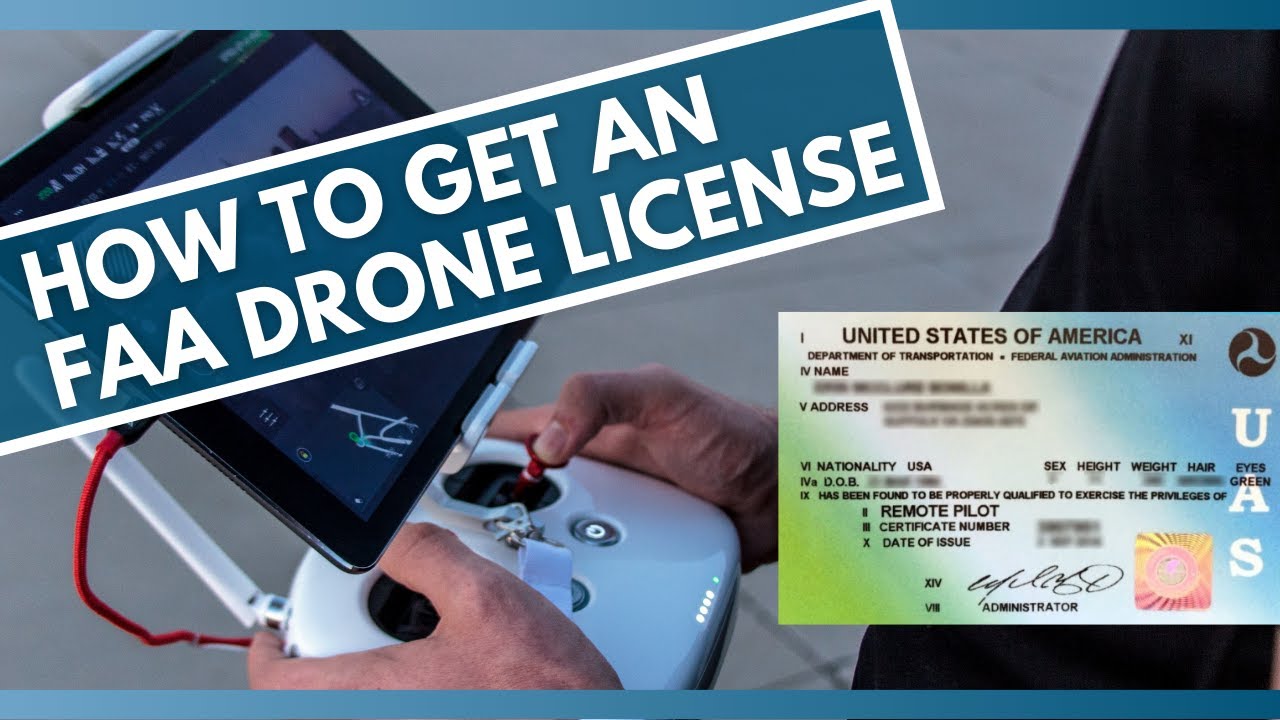
In the U.S., the FAA’s Part 107 regulations govern commercial drone operations. The agency provides comprehensive resources for aspiring drone pilots, including the Remote Pilot Certificate, which is required for commercial operations.
European Union
The EASA has standardized drone regulations across EU member states, introducing a unified framework known as the EU Drone Regulation. This framework categorizes drone operations into three risk-based categories: Open, Specific, and Certified, each with its own licensing requirements.
Australia
Australia’s Civil Aviation Safety Authority (CASA) oversees drone regulations. The country offers a Remote Pilot License (RePL) for commercial operators, with different weight classes and operational conditions influencing the licensing process.
Canada
Transport Canada governs drone operations, requiring pilots to obtain a Pilot Certificate – Advanced Operations for complex flights. The organization provides detailed guidance on safety practices and regulatory compliance.
Conclusion
Understanding drone license requirements is essential for anyone looking to operate drones legally and safely. By familiarizing themselves with the licensing process, adhering to regulatory guidelines, and engaging in ongoing education, drone pilots can navigate the skies confidently and responsibly. As drone technology continues to evolve, staying informed about regulatory changes and advancements will be key to maintaining compliance and ensuring the safe integration of drones into our airspace.
Share this content:


Post Comment