Revolutionizing Drone Propulsion: Future Systems Explored
Introduction
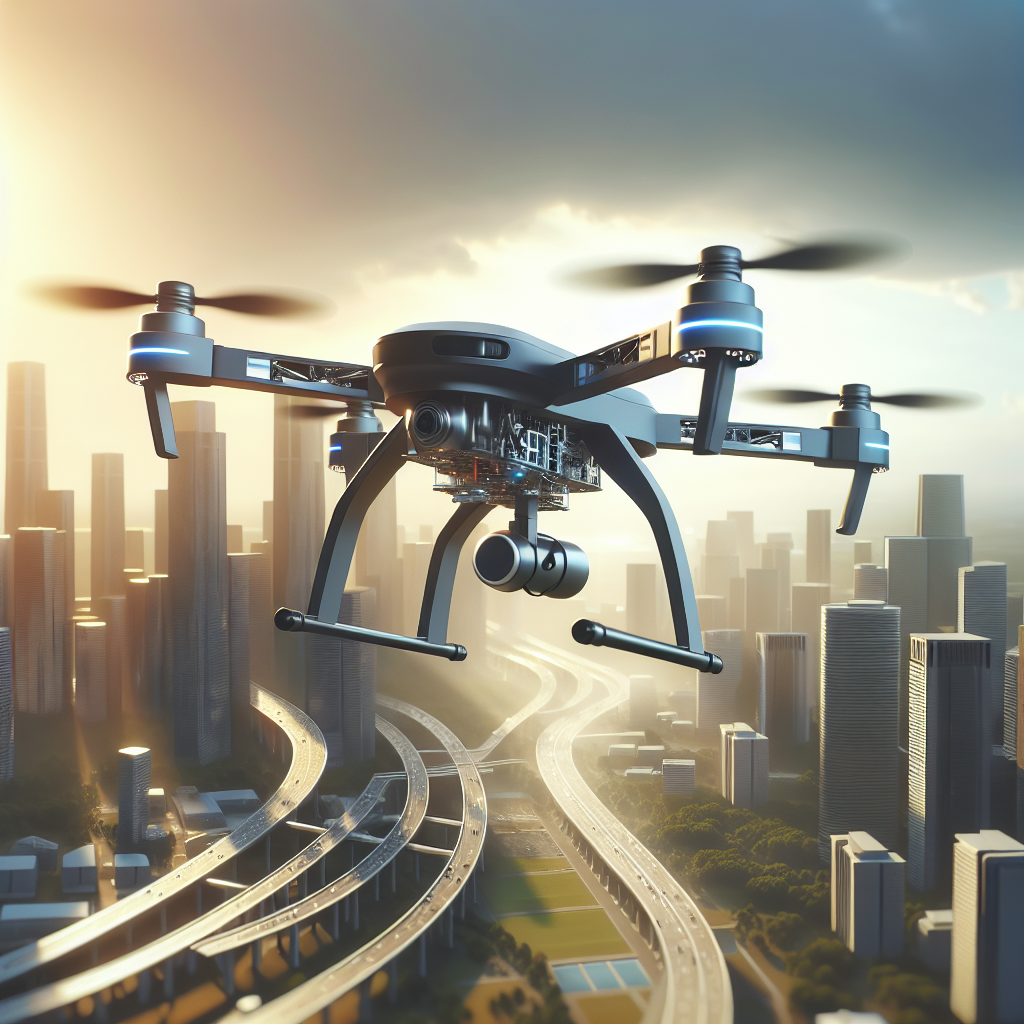
The rapid expansion of drone technology has transformed numerous sectors, from agriculture and logistics to surveillance and entertainment. However, as the demand for more efficient, longer-lasting, and environmentally conscious drones grows, the focus has shifted towards revolutionizing their propulsion systems. This article delves into the future of drone propulsion, exploring innovative systems that promise to redefine the capabilities and applications of unmanned aerial vehicles (UAVs).
The Need for Advanced Propulsion Systems
Current drone propulsion systems, predominantly relying on electric motors powered by lithium polymer (LiPo) batteries, face several limitations. These include limited flight time, long charging periods, and environmental concerns associated with battery disposal. As the applications of drones expand, so does the need for propulsion systems that can overcome these constraints while enhancing performance, efficiency, and sustainability.
Electric Propulsion: The Status Quo and Its Challenges
Electric propulsion remains the most widely used system in drones today, primarily due to its simplicity, low noise, and zero emissions during operation. However, the energy density of current battery technologies restricts flight duration, particularly in larger drones. Efforts to improve battery technology, such as the development of solid-state batteries, continue, but breakthroughs in propulsion systems are necessary to meet future demands.
Hydrogen Fuel Cells: A Promising Alternative
Hydrogen fuel cells represent a promising alternative to traditional battery-powered systems. By converting hydrogen gas into electricity through a chemical reaction with oxygen, fuel cells offer higher energy density and longer flight times. Companies are actively developing and testing hydrogen-powered drones capable of significantly extended flights, making them ideal for applications like long-range delivery and surveillance.
Advantages of Hydrogen Fuel Cells
Hydrogen fuel cells provide several advantages over traditional batteries. They offer faster refueling times compared to battery recharging, making them suitable for continuous operations. Additionally, their only byproduct is water, aligning with environmental sustainability goals. As hydrogen production and storage technologies advance, the viability of this propulsion system will continue to grow.
Challenges in Adoption
Despite their potential, hydrogen fuel cells face challenges in widespread adoption. The infrastructure for hydrogen production, storage, and distribution is still developing, and regulatory frameworks for hydrogen-powered drones need to be established. Furthermore, the high costs associated with fuel cell technology must be addressed to make it economically viable for broader usage.
Solar-Powered Drones: Harnessing Renewable Energy
Solar-powered drones offer an eco-friendly propulsion solution by harnessing energy from the sun. These drones are equipped with solar panels that convert sunlight into electricity, which can power the drone directly or charge its batteries for extended flight times. This technology is particularly beneficial for applications in remote areas with ample sunlight exposure.
Long-Endurance and Sustainability
The primary advantage of solar-powered drones is their potential for long-endurance flights. By utilizing renewable energy, these drones can remain airborne for extended periods, limited only by nighttime and weather conditions. This makes them ideal for environmental monitoring, wildlife tracking, and disaster management.
Technological and Environmental Hurdles
While promising, solar-powered drones face technological hurdles, including the efficiency of solar cells and the weight of solar panels. Weather dependency and the need for large surface areas to capture sufficient sunlight are additional challenges. However, advancements in lightweight materials and solar cell efficiency are progressively addressing these issues.
Hybrid Propulsion Systems: Combining the Best of Both Worlds
Hybrid propulsion systems, which combine multiple energy sources, offer a versatile approach to overcoming the limitations of single-source propulsion. By integrating battery power with fuel cells or solar energy, hybrid systems can enhance endurance, performance, and adaptability across various applications.
Benefits of Hybrid Systems
Hybrid systems provide the flexibility to switch between power sources based on operational needs and environmental conditions. This adaptability enhances reliability and ensures continuous operation even when one energy source is unavailable. Additionally, hybrid systems can optimize energy consumption, improving efficiency and reducing environmental impact.
Complexity and Integration Challenges
The complexity of hybrid propulsion systems poses integration challenges, particularly in terms of weight, space, and control systems. Balancing multiple energy sources requires sophisticated management systems to ensure seamless transitions and optimal performance. However, ongoing research and development are paving the way for more streamlined and efficient hybrid solutions.
Innovative Concepts: The Future of Drone Propulsion
Beyond current technologies, several innovative concepts are under exploration, holding the potential to revolutionize drone propulsion further. These include ion propulsion, laser-powered drones, and bio-inspired propulsion systems.
Ion Propulsion
Ion propulsion, traditionally used in space applications, is being studied for drones. By accelerating ions using electric fields, this propulsion method offers the possibility of silent and efficient operation. While still in experimental stages, ion propulsion could lead to breakthroughs in stealth and endurance for drones.
Laser-Powered Drones
Laser-powered drones utilize ground-based lasers to transmit energy to the drone, eliminating the need for onboard fuel or batteries. This concept promises virtually unlimited flight times, constrained only by the precision and safety of laser systems. As laser technology advances, this propulsion method could become viable for various applications.
Bio-Inspired Propulsion
Bio-inspired propulsion systems draw inspiration from nature, emulating the flight mechanisms of birds and insects. By understanding and replicating these natural processes, researchers aim to develop drones that are more efficient and agile. This approach not only enhances flight capabilities but also offers insights into energy-efficient designs.
Regulatory and Ethical Considerations
As drone propulsion technologies evolve, regulatory and ethical considerations must keep pace. Ensuring safety, privacy, and environmental compliance is paramount. Regulatory bodies need to establish guidelines for emerging propulsion systems, addressing issues such as airspace integration, noise pollution, and environmental impact. Ethical considerations surrounding the use of advanced drones in surveillance and military applications also require careful deliberation.
Conclusion
The future of drone propulsion is poised for transformative advancements, with innovative systems promising to overcome current limitations and unlock new possibilities. From hydrogen fuel cells and solar power to hybrid and bio-inspired propulsion, these technologies hold the potential to revolutionize the capabilities and applications of drones across diverse sectors. As research and development continue, the integration of these systems will require collaboration between industry, regulators, and researchers to ensure a sustainable and responsible future for drone technology.
#ChatGPT assisted in the creation of this article.
Share this content:


Post Comment