Master Drone HDR Photography for Stunning Aerial Shots
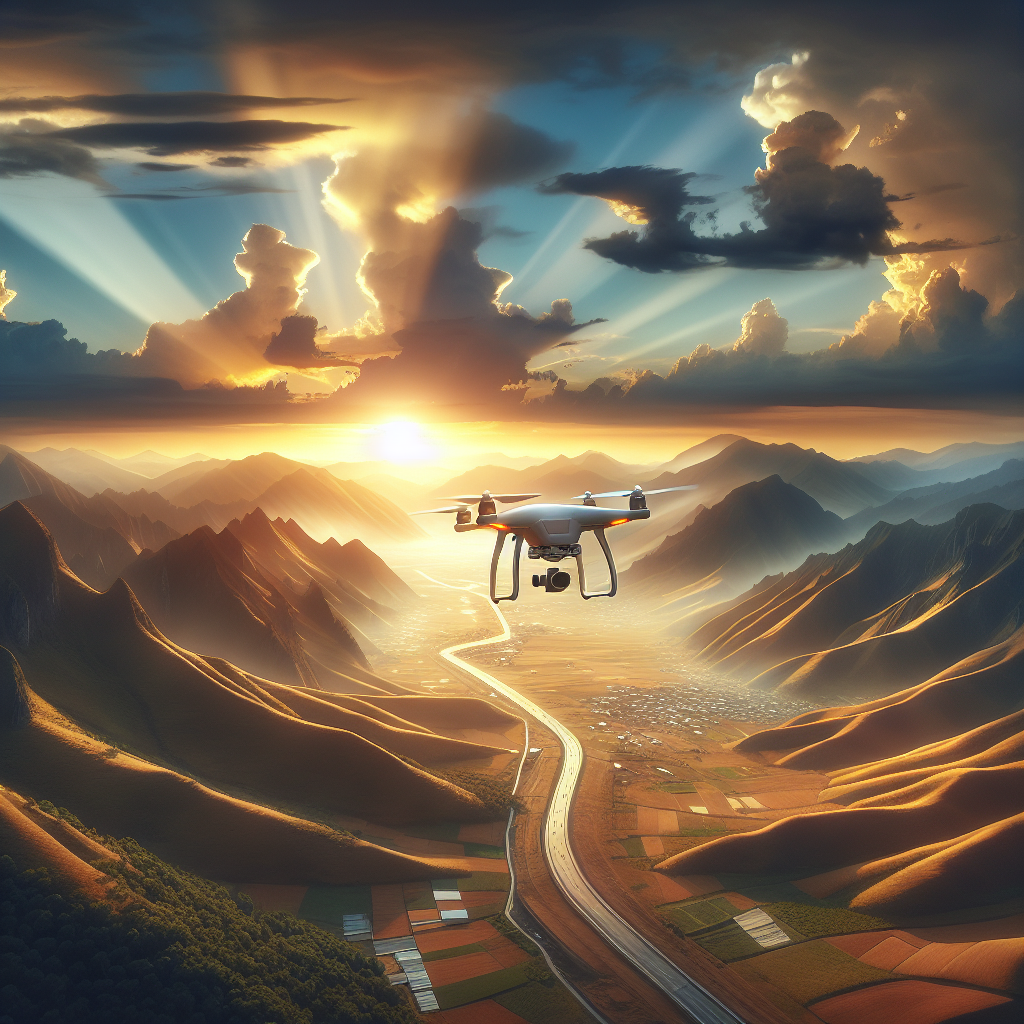
In recent years, drone photography has revolutionized the way we capture the world from above. With the advent of High Dynamic Range (HDR) technology, aerial photography has reached new heights, offering breathtaking images that capture the full spectrum of light and detail. In this article, we will explore how you can master drone HDR photography to produce stunning aerial shots that captivate and inspire.
Understanding HDR Photography
HDR photography is a technique that combines multiple images taken at different exposure levels to create a single, highly-detailed photograph. This method allows photographers to capture both the bright highlights and dark shadows of a scene, producing an image that closely resembles what the human eye perceives.
In drone photography, HDR is particularly useful because aerial shots often encompass vast landscapes with varying light conditions. The sun can create stark contrasts between the sky and the ground, making it challenging to capture all the details in a single shot. HDR solves this problem by merging multiple exposures, ensuring that no part of the image is overexposed or underexposed.
Choosing the Right Drone for HDR Photography
Before you can master HDR drone photography, you need a drone that supports this feature. Not all drones are created equal, and some are better suited for HDR photography than others. Here are a few considerations when selecting a drone for HDR:
- Camera Quality: Look for drones with high-resolution cameras, preferably those with large image sensors. This will ensure that your HDR images are crisp and detailed.
- HDR Capability: Ensure that the drone’s camera has a built-in HDR mode. This feature automates the process of capturing multiple exposures and merging them into a single image.
- Stability: A stable drone is crucial for capturing sharp images. Look for drones with advanced stabilization features to minimize motion blur.
Some popular drones for HDR photography include the DJI Mavic Air 2, DJI Phantom 4 Pro, and the Autel Robotics EVO II.
Preparing for a Successful HDR Drone Photography Session
Successful HDR drone photography starts with proper planning and preparation. Here are steps to ensure you’re ready to capture stunning aerial shots:
Scout the Location
Before taking to the skies, scout your location to identify the best vantage points. Consider the direction of the sun, potential obstacles, and areas of interest that you want to capture.
Check the Weather
Weather conditions can significantly impact your drone photography. Overcast skies can create flat lighting, while harsh sunlight can produce unwanted shadows. Aim for early morning or late afternoon for the best natural light.
Plan Your Shots
Visualize the shots you want to capture. Create a shot list to ensure you cover all angles and scenes. This will save time during the shoot and help you stay focused.
Calibrate Your Drone
Before flying, ensure your drone is calibrated and ready to go. Check the battery levels, GPS signal, and camera settings to avoid any issues during the shoot.
Capturing HDR Images with Your Drone
Once you’re in the air, it’s time to start capturing HDR images. Follow these steps to ensure success:
Set the Camera to HDR Mode
If your drone has a built-in HDR mode, enable it. This mode will automate the process of capturing multiple exposures, making it easier to create HDR images.
Manual Mode and Exposure Bracketing
If your drone doesn’t have an HDR mode, you can still capture HDR images manually. Use the manual mode to control the exposure settings, and employ exposure bracketing to capture multiple shots at different exposures. Typically, you’ll want to capture at least three images: one underexposed, one correctly exposed, and one overexposed.
Maintain a Steady Hover
To ensure sharp images, keep your drone hovering steadily while capturing HDR shots. Use the drone’s stabilization features and avoid sudden movements.
Pay Attention to Composition
Composition plays a crucial role in creating captivating HDR images. Consider the rule of thirds, leading lines, and other compositional techniques to enhance your shots.
Post-Processing HDR Drone Images
Once you’ve captured your HDR images, it’s time to bring them to life through post-processing. This step is where you’ll merge the multiple exposures into a single HDR image and fine-tune the details for maximum impact.
Software Selection
Choose a photo editing software that supports HDR processing. Popular options include Adobe Lightroom, Adobe Photoshop, and Aurora HDR. These programs offer powerful tools for merging exposures and enhancing your images.
Merging Exposures
Import your bracketed shots into your chosen software and use the HDR merging feature to create a single image. This process involves aligning the images and combining them to capture the full dynamic range.
Tone Mapping
Tone mapping is a crucial step in HDR processing. It involves adjusting the contrast, brightness, and color saturation to create a balanced and natural-looking image. Be cautious not to overdo it, as excessive tone mapping can result in unrealistic images.
Final Adjustments
After tone mapping, make any necessary adjustments to fine-tune your image. This may include cropping, sharpening, or applying filters to achieve your desired look.
Tips for Mastering Drone HDR Photography
Becoming proficient in drone HDR photography takes practice and experimentation. Here are some additional tips to help you master this art:
- Experiment with Different Settings: Don’t be afraid to try different exposure settings, compositions, and angles. Experimentation will help you discover what works best for your style.
- Learn from Others: Study the work of other HDR drone photographers for inspiration and insight. Online communities and forums are great places to share tips and learn from experienced photographers.
- Be Patient: HDR photography requires patience, both in capturing the images and in post-processing. Take your time to perfect each step of the process.
- Stay Updated: Keep up with the latest advancements in drone technology and HDR software. Staying informed will help you leverage new features and tools to enhance your photography.
Conclusion
Mastering drone HDR photography is a rewarding endeavor that allows you to capture stunning aerial shots with incredible detail and dynamic range. By understanding the principles of HDR, choosing the right equipment, and honing your skills through practice and experimentation, you can create breathtaking images that showcase the beauty of the world from above. Whether you’re a hobbyist or a professional, drone HDR photography offers endless possibilities for creativity and exploration.
#ChatGPT assisted in the creation of this article.
Share this content:

Post Comment