Enhancing Drone Data Security: Top Strategies Unveiled
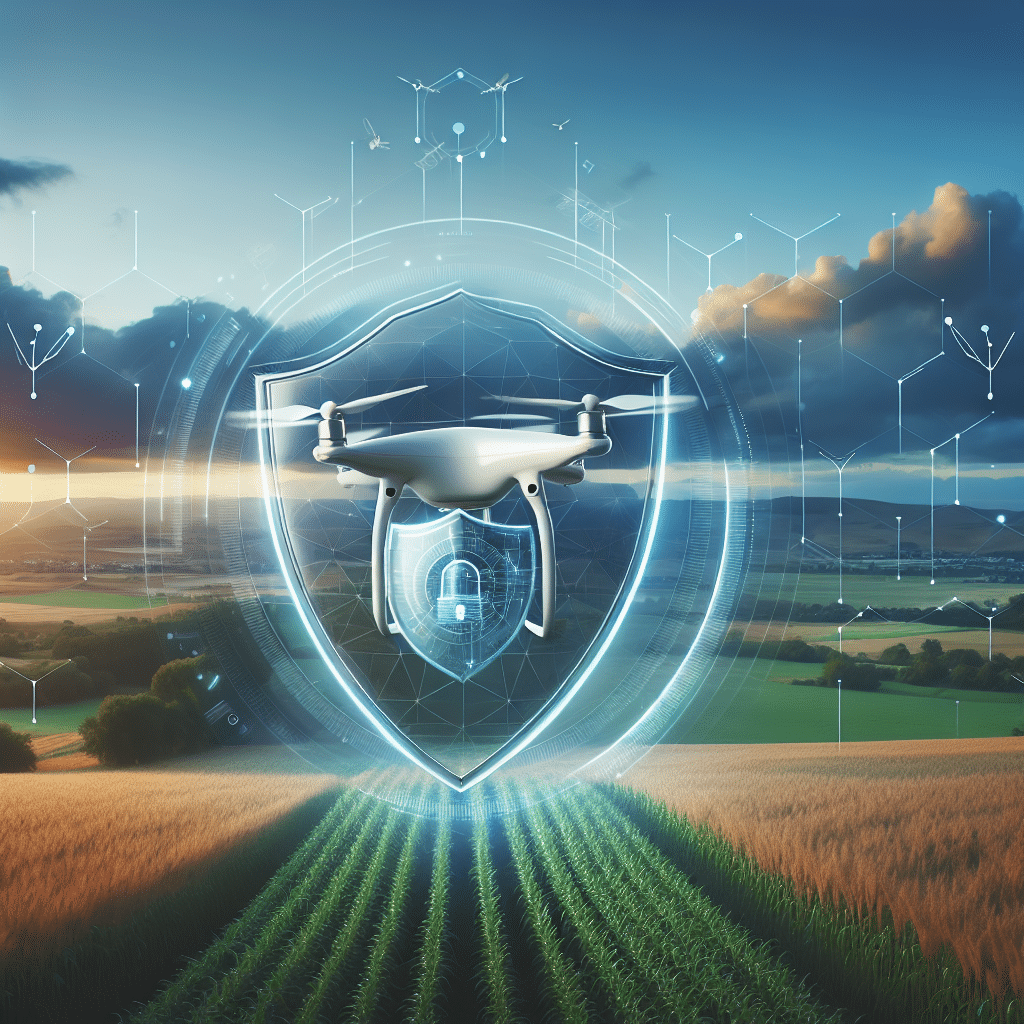
With the rapid advancement and widespread adoption of drone technology across various sectors, from agriculture to logistics, the importance of securing the data these devices gather and transmit has never been more critical. Drones, or Unmanned Aerial Vehicles (UAVs), are equipped with sophisticated sensors and cameras that collect vast amounts of data. This data, if not adequately protected, can be susceptible to breaches, leading to significant risks for organizations and individuals alike. In this article, we delve into the key strategies to enhance drone data security.
Understanding the Importance of Drone Data Security
Drones are invaluable tools for capturing real-time data and performing tasks that are either too dangerous or impractical for humans. However, the data captured by drones often contains sensitive information that, if intercepted or tampered with, could lead to privacy violations, corporate espionage, or even national security threats.
The need for robust data security measures is underscored by the fact that drones often operate in unsecured environments, increasing the risk of data interception. Moreover, as drones become more integrated with the Internet of Things (IoT), they become potential targets for cyberattacks. Therefore, enhancing drone data security is not merely an option but a necessity.
Top Strategies for Enhancing Drone Data Security
Encryption of Data
Encryption is a fundamental strategy for securing data in transit and at rest. By encrypting data, organizations can ensure that even if data is intercepted, it cannot be read without the appropriate decryption key. Implementing strong encryption protocols, such as AES-256, can significantly bolster the security of drone data. Furthermore, encryption should be applied not only to data captured by the drone but also to the communication channels used to transmit this data to ground stations or cloud storage.
Secure Communication Channels
Utilizing secure communication channels is essential to prevent unauthorized access and interception of data. Technologies such as Virtual Private Networks (VPNs) and Secure Socket Layer (SSL)/Transport Layer Security (TLS) can help in establishing secure connections between drones and control stations. Additionally, adopting frequency hopping spread spectrum (FHSS) techniques can make it difficult for potential eavesdroppers to intercept communications.
Regular Software Updates and Patch Management
Like any other technology, drones are susceptible to vulnerabilities in their software. Regular software updates and patch management are crucial to address these vulnerabilities and protect against potential exploits. Manufacturers and operators should establish a robust update management system to ensure that drones are running the latest software versions with all necessary security patches applied.
Authentication and Access Control
Implementing strong authentication mechanisms and access control protocols is essential to ensure that only authorized personnel can access the drone’s systems and data. Two-factor authentication (2FA) and biometric authentication are effective methods to enhance security. Additionally, role-based access control (RBAC) can be implemented to restrict data access based on the user’s role within an organization.
Physical Security Measures
While digital threats are prominent, physical security measures should not be overlooked. Unauthorized physical access to drones can lead to theft or tampering, compromising the data they collect. Implementing measures such as secure storage, anti-tamper technologies, and GPS tracking can help mitigate these risks. Moreover, ensuring that drones are not left unattended in unsecured areas adds an additional layer of protection.
Data Anonymization
In scenarios where data privacy is a concern, data anonymization can be an effective strategy. By stripping personally identifiable information (PII) from data sets, organizations can minimize the risk of privacy breaches. Anonymization techniques can include data masking, generalization, or perturbation, ensuring that even if data is intercepted, it remains non-attributable to specific individuals.
Cybersecurity Training and Awareness
Human error is often a significant factor in data breaches. Providing comprehensive cybersecurity training and raising awareness among personnel operating drones can significantly reduce this risk. Training should cover best practices for data security, recognizing phishing attempts, and responding to security incidents. By fostering a culture of security, organizations can empower their workforce to be the first line of defense against potential threats.
The Future of Drone Data Security
As drone technology continues to evolve, so too must the strategies to secure the data they collect. Emerging technologies such as blockchain and artificial intelligence (AI) are poised to play a pivotal role in enhancing drone data security.
Blockchain technology can provide a decentralized and immutable ledger for recording drone flight data, ensuring data integrity and providing a transparent audit trail. By leveraging smart contracts, organizations can automate security protocols and enforce compliance with data protection regulations.
AI, on the other hand, offers the potential to enhance threat detection and response. Machine learning algorithms can be trained to identify anomalous patterns in drone operations, enabling proactive measures to thwart potential security breaches.
Conclusion
The integration of drone technology into various industries has brought about unprecedented opportunities for data collection and analysis. However, with these opportunities come significant security challenges. By implementing the strategies outlined above, organizations can enhance the security of their drone data, safeguarding against unauthorized access, data breaches, and potential cyber threats.
As technology continues to advance, staying ahead of emerging threats requires a proactive approach to drone data security. By fostering a culture of security awareness and leveraging cutting-edge technologies, organizations can ensure that their data remains protected, preserving the integrity and confidentiality of the invaluable information captured by drones.
#ChatGPT assisted in the creation of this article.
Share this content:


Post Comment