Mastering Drone Night Photography: Tips for Stunning Shots
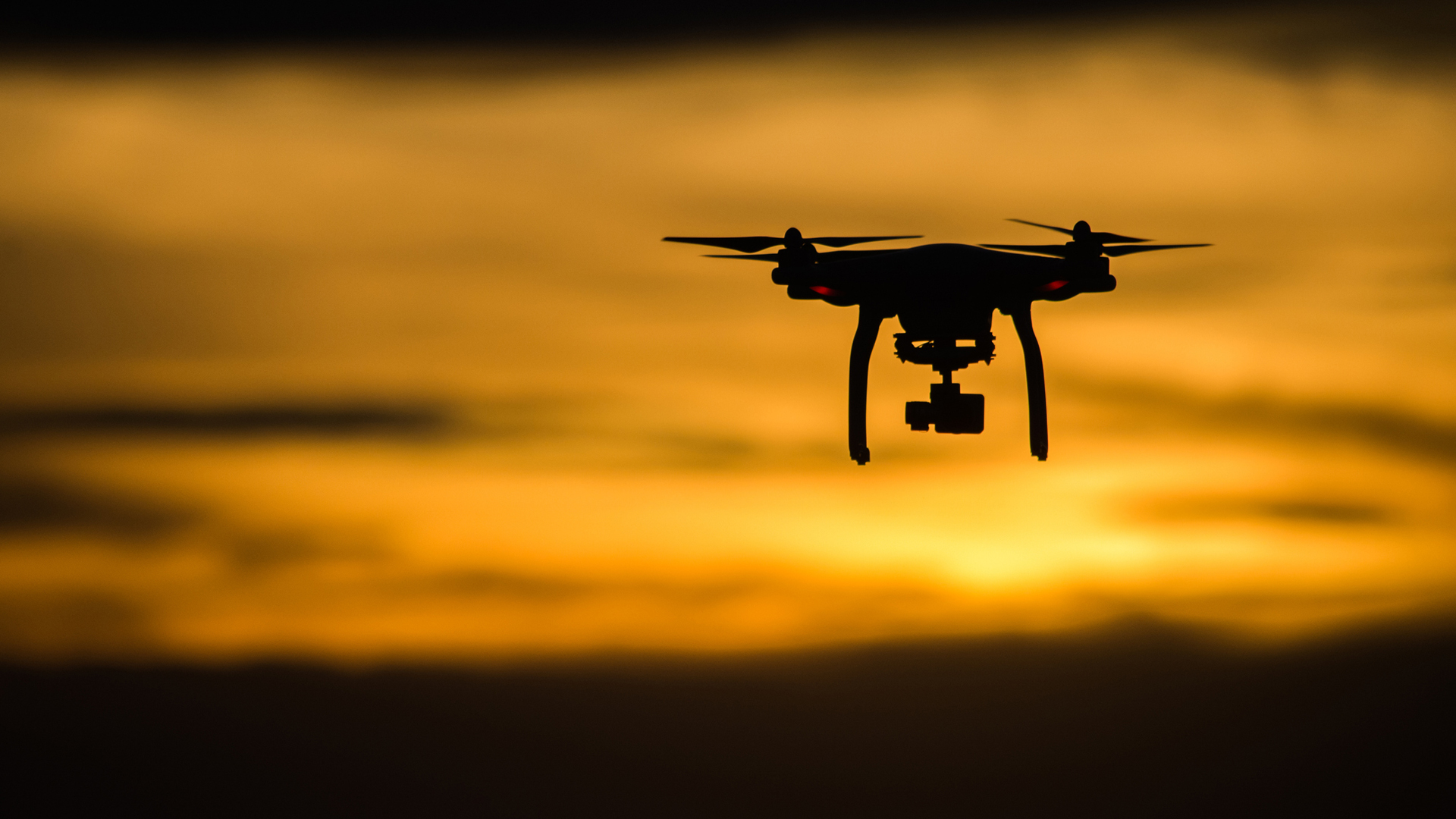
Drone photography has revolutionized the world of aerial imagery, opening up new avenues for photographers to capture stunning visuals from unique perspectives. While daytime drone photography is popular and relatively straightforward, capturing breathtaking shots at night presents its own set of challenges and opportunities. Mastering drone night photography requires a blend of technical knowledge, creative flair, and attention to detail. In this article, we will explore the essential tips and techniques to help you achieve stunning drone night photography.
Understanding the Challenges of Night Photography
Night photography with drones presents distinct challenges that are not encountered during the day. The primary issue is the lack of natural light, which can lead to complications such as noise, motion blur, and difficulty in focusing. Additionally, drones have limited battery life, and operating them in the dark can complicate navigation and increase the risk of accidents. Understanding these challenges is the first step in mastering drone night photography.
Choosing the Right Drone and Equipment
Before embarking on your night photography journey, it’s crucial to select the right drone and equipment. Here are some key considerations:
Camera Quality
Opt for a drone equipped with a high-quality camera that can handle low-light conditions. Look for features such as a large sensor, adjustable aperture, and high ISO capabilities. Models like the DJI Mavic 3 or the Phantom 4 Pro are known for their excellent low-light performance.
Stability
Stability is crucial for sharp night shots. Choose a drone with advanced stabilization technology to minimize vibrations and ensure steady footage. Gimbals are essential for keeping the camera steady during flight.
Battery Life
Nighttime flights may require longer setup times and more careful navigation. Opt for drones with extended battery life or carry spare batteries to ensure you have enough flight time to capture the perfect shot.
Pre-Flight Preparation
Proper preparation is key to a successful night photography session. Consider these steps before taking off:
Scout the Location
Visit the location during daylight to familiarize yourself with the surroundings, identify potential obstacles, and plan your shots. Note any landmarks or features that will make compelling subjects at night.
Check Weather and Airspace Regulations
Weather conditions can greatly affect night photography. Ensure clear skies and calm winds for optimal shooting conditions. Additionally, check local airspace regulations and obtain any necessary permits for night flights.
Plan Your Shots
Having a clear plan will save time and battery life. Identify specific shots you want to capture and plan your flight path accordingly. Consider factors like composition, lighting, and angles.
Essential Camera Settings for Night Photography
Mastering camera settings is crucial for capturing stunning night shots. Here are some key settings to consider:
ISO
Increase the ISO to make the camera sensor more sensitive to light. However, be cautious as higher ISO settings can introduce noise into the image. Experiment with different ISO levels to find a balance between brightness and noise.
Aperture
Use a wide aperture (low f-number) to allow more light into the camera. This helps in capturing brighter images. Be mindful of the depth of field, as a wide aperture can result in a shallow depth of field.
Shutter Speed
Longer shutter speeds allow more light to hit the sensor, resulting in brighter images. However, longer exposures can introduce motion blur if the drone is not stable. Use a tripod mode or increase stabilization settings to counteract this.
Manual Focus
Autofocus can struggle in low-light conditions. Switch to manual focus and use the drone’s live view to ensure sharp focus on your subject.
Tips for Capturing Breathtaking Night Shots
With the right preparation and settings in place, it’s time to capture stunning night shots. Here are some tips to help you achieve success:
Use Ambient Light
Utilize available light sources such as streetlights, buildings, and the moon to add depth and interest to your compositions. This ambient light can create stunning contrasts and highlight key elements in your images.
Experiment with Light Trails
Capture long exposure shots of moving vehicles or other sources of light to create mesmerizing light trails. This technique adds dynamism and visual interest to your night photos.
Embrace Silhouettes
Use the contrast between the dark sky and well-lit subjects to create striking silhouettes. This technique can produce dramatic and artistic images.
Post-Processing Techniques
Post-processing is an essential step in enhancing your night photos. Use editing software to adjust exposure, reduce noise, and enhance colors. Be mindful not to over-process, as this can lead to unnatural-looking images.
Safety Considerations for Night Flights
Safety is paramount when flying drones at night. Here are some important considerations:
Maintain Line of Sight
Always keep the drone within your line of sight, even at night. Use lights on the drone to help maintain visibility and orientation.
Avoid Obstacles
Be extra cautious of obstacles such as trees, power lines, and buildings. Use obstacle avoidance features if your drone is equipped with them.
Have a Spotter
Consider having a spotter to help keep an eye on the drone and surroundings. A second pair of eyes can be invaluable for spotting potential hazards.
Conclusion
Mastering drone night photography is a rewarding endeavor that allows photographers to capture unique and stunning visuals. By understanding the challenges, choosing the right equipment, and applying essential techniques, you can elevate your night photography skills to new heights. Remember to prioritize safety and adhere to local regulations to ensure a successful and enjoyable night flying experience. With practice and creativity, you’ll be able to capture breathtaking shots that showcase the beauty of the night from above.
Share this content:

Post Comment