Top Drone Technology Trends Revolutionizing 2026
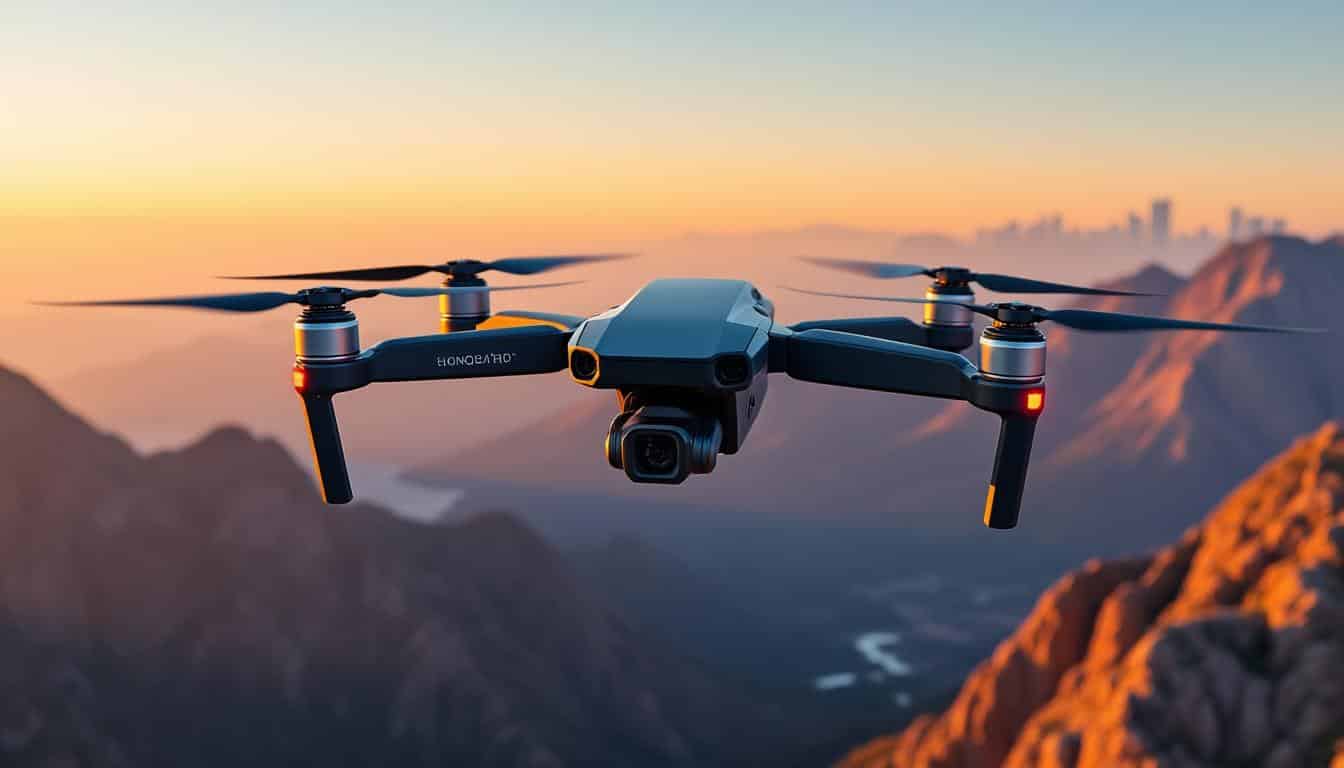
Top Drone Technology Trends Revolutionizing 2026
In recent years, drone technology has advanced at an astonishing rate, and 2026 is poised to be a transformative year for the industry. As drones become increasingly integrated into various sectors, new trends are emerging that promise to revolutionize how these aerial devices are utilized. From improved hardware to innovative applications, the following trends are set to redefine the capabilities and roles of drones in the coming year.
Enhanced AI and Machine Learning Integration
The integration of artificial intelligence (AI) and machine learning into drone technology is not new, but in 2026, these capabilities are expected to reach unprecedented levels. Enhanced AI algorithms will allow drones to process vast amounts of data in real-time, enabling more autonomous operations. Machine learning will enable drones to learn from their environments and improve their performance over time.
Autonomous Navigation
Autonomous navigation is one of the most significant advancements facilitated by AI. Drones will be able to navigate complex environments without human intervention, relying on sensors and AI-driven decision-making processes. This capability will be crucial for applications in delivery services, agriculture, and search and rescue operations.
Improved Object Recognition
Object recognition technology is also advancing, allowing drones to identify and classify objects with greater accuracy. This is particularly beneficial for surveillance and security applications, where precision is paramount. Enhanced object recognition will also improve the safety of drones operating in crowded or dynamic environments.
Extended Flight Times and Enhanced Battery Technology
Battery life has long been a limiting factor for drones, but 2026 is expected to see significant improvements in this area. Advances in battery technology will lead to extended flight times, allowing drones to cover greater distances and perform more complex missions.
Solid-State Batteries
One of the most promising developments is the emergence of solid-state batteries. These batteries offer higher energy densities, faster charging times, and improved safety compared to traditional lithium-ion batteries. As a result, drones equipped with solid-state batteries will be able to fly longer and recharge more quickly, increasing their operational efficiency.
Solar-Powered Drones
Solar-powered drones are also gaining traction, particularly for applications requiring long-duration flights. By harnessing solar energy, these drones can stay airborne for extended periods, making them ideal for tasks such as environmental monitoring and telecommunications.
Advanced Swarm Technology
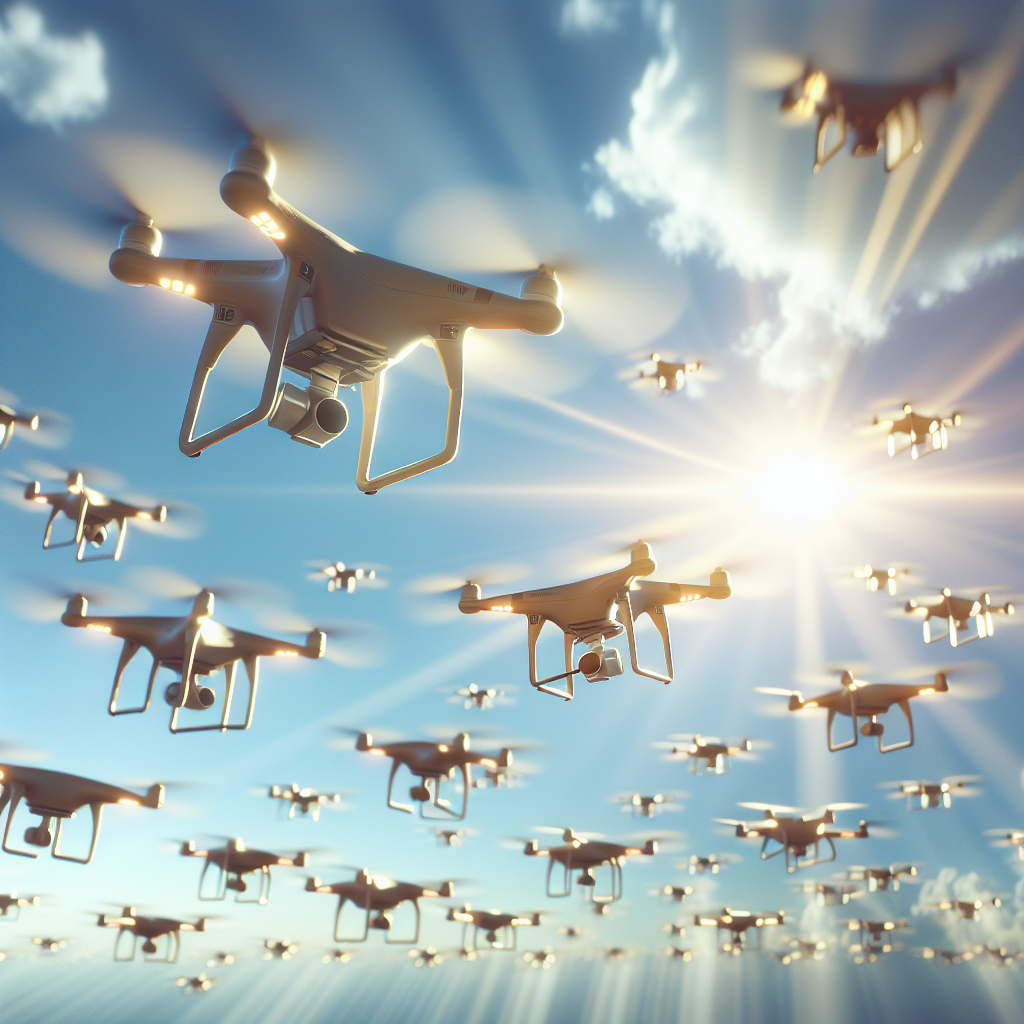
Swarm technology, where multiple drones operate in coordination, is set to become more sophisticated in 2026. This technology allows for the execution of complex tasks that would be difficult or impossible for a single drone to accomplish.
Collaborative Missions
Swarm technology enables drones to work together on collaborative missions, such as search and rescue operations, agricultural monitoring, and large-scale surveys. By communicating with each other and sharing data, drone swarms can cover more ground and respond more effectively to dynamic situations.
Decentralized Control Systems
To support these collaborative missions, decentralized control systems are being developed. These systems allow drones within a swarm to make independent decisions while still working towards a common goal. This enhances the resilience and adaptability of the swarm, making it less susceptible to single points of failure.
Beyond Visual Line of Sight (BVLOS) Operations
Regulatory advancements are paving the way for more widespread adoption of Beyond Visual Line of Sight (BVLOS) operations. BVLOS allows drones to operate beyond the direct line of sight of the operator, significantly expanding their range and utility.
Regulatory Changes
In 2026, we anticipate further regulatory changes that will facilitate BVLOS operations, particularly for commercial use. These changes will open up new possibilities for industries such as logistics, where extended range is crucial for efficiency and cost-effectiveness.
Enhanced Safety Protocols
To support BVLOS operations, enhanced safety protocols are being developed. These include advanced detect-and-avoid systems and reliable communication links, ensuring that drones can safely navigate beyond the operator’s line of sight.
Integration with 5G Networks
The rollout of 5G networks is providing unprecedented opportunities for drone technology. The high-speed, low-latency connectivity offered by 5G is enabling new applications and improving existing ones.
Real-Time Data Transmission
5G networks facilitate real-time data transmission, allowing drones to send high-quality video feeds and sensor data instantly. This is particularly beneficial for applications such as live broadcasting, surveillance, and disaster response, where timely information is critical.
Enhanced Remote Control
With 5G, remote control of drones becomes more reliable, even over long distances. This opens up possibilities for remote operations in hard-to-reach or dangerous areas, reducing the need for human presence in hazardous environments.
Increased Use of Drones in Urban Environments
As drones become more prevalent, their use in urban environments is expected to increase. This trend is driven by advancements in navigation systems and regulatory frameworks that support urban drone operations.
Urban Air Mobility (UAM)
Urban Air Mobility (UAM) is a key focus area, with drones being used for passenger transport, cargo delivery, and public services. Companies are developing vertical takeoff and landing (VTOL) drones that can operate in urban spaces, revolutionizing transportation and logistics.
Infrastructure Inspection and Maintenance
Drones are also being utilized for infrastructure inspection and maintenance in cities. They can quickly and safely assess the condition of bridges, buildings, and utilities, providing valuable data for maintenance and repair.
Conclusion
The drone industry is on the cusp of a revolution, with 2026 set to be a landmark year for technological advancements and regulatory progress. Enhanced AI integration, extended flight times, advanced swarm technology, and BVLOS operations are just a few of the trends that will shape the future of drones. As these trends unfold, drones will become even more indispensable tools across a wide range of industries, transforming the way we live and work.
#ChatGPT assisted in the creation of this article.
Share this content:


Post Comment