Master Drone Wind Flying: Essential Tips Unveiled
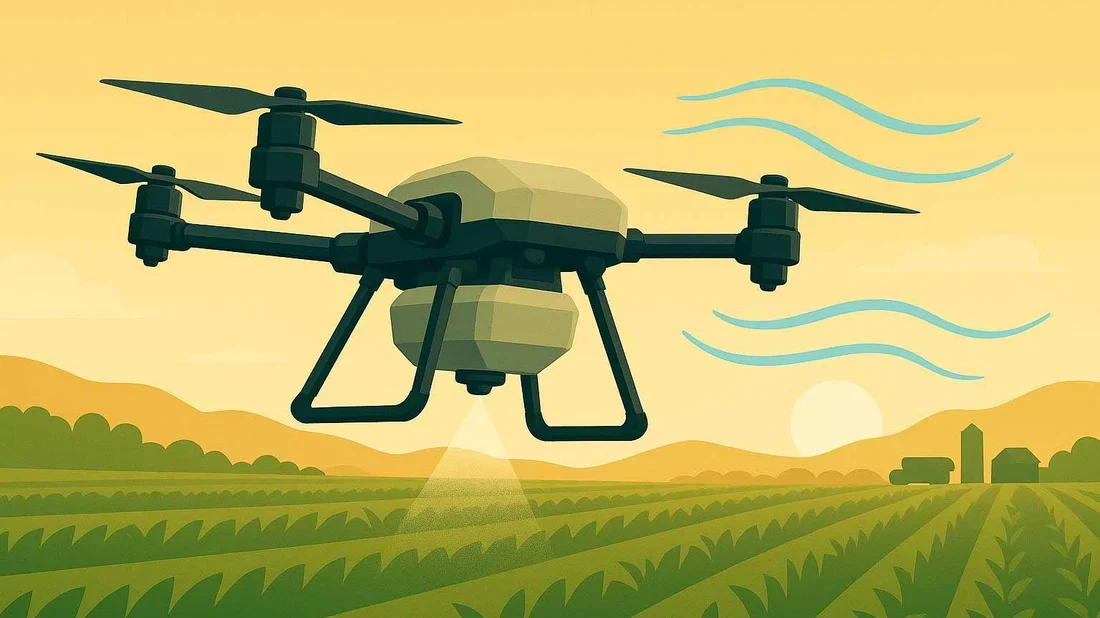
Flying drones has become an increasingly popular hobby and profession. Whether you are capturing stunning aerial photos or conducting surveys, drones offer a unique perspective. However, one of the most challenging aspects of drone flying is handling wind conditions. Understanding how to master wind flying is crucial for ensuring the safety of your drone and capturing high-quality footage. In this article, we will explore essential tips to help you become proficient at flying your drone in windy conditions.
Understanding Wind and Its Impact on Drones
Before diving into tips, it’s essential to understand how wind affects drone flight. Wind can cause instability, reducing control over the drone and potentially leading to crashes. It can also drain the drone’s battery more quickly, as the motors have to work harder to stabilize the flight. Understanding wind patterns and how different wind speeds affect your specific drone model is crucial for successful wind flying.
Wind Speed and Drone Tolerance
Each drone model has a maximum wind speed tolerance, usually specified in the user manual. It’s important to know this number and avoid flying in conditions exceeding this limit. As a general rule, beginners should avoid flying in winds over 15 mph, while experienced pilots might handle winds up to 25 mph with the right equipment. Always monitor wind conditions before and during your flight.
Essential Pre-Flight Preparations
Check the Weather Forecast
Before heading out, always check the weather forecast to understand the wind speed and direction. There are several apps and websites that provide real-time wind data, which can be invaluable in planning your flight. Knowing the forecast helps you decide the best time to fly and choose a suitable location.
Inspect Your Drone
Ensure your drone is in optimal condition before flying. Check the propellers, battery, and overall structure for any damage. Sturdy and well-maintained equipment is more likely to withstand windy conditions. Also, ensure that the firmware is up to date, as manufacturers often release updates that improve stability and performance.
Plan Your Flight Path
Planning your flight path in advance helps you anticipate any potential challenges. Choose a path that minimizes exposure to strong winds and avoids obstacles like trees and buildings, which can create unpredictable wind currents. Having a clear plan reduces the time your drone spends airborne, minimizing the risk of battery drain.
In-Flight Techniques for Windy Conditions
Use GPS Mode
Most drones come equipped with a GPS mode that helps stabilize flight by locking the drone’s position against wind drift. This feature can be incredibly useful in maintaining control during windy conditions. However, be aware that GPS accuracy can vary, especially in areas with limited satellite visibility.
Fly Against the Wind
When taking off, it’s often recommended to fly against the wind. This approach gives you more control and allows for smoother landings. When flying back, the tailwind will aid the drone’s return, conserving battery life. Remember, though, that the wind can change direction, so stay alert and be ready to adjust your flight path if needed.
Maintain a Low Altitude
Wind speed generally increases with altitude. By flying at a lower altitude, you can reduce the impact of wind on your drone. However, ensure that you maintain a safe distance from obstacles and comply with local regulations regarding minimum altitude limits.
Post-Flight Considerations
Review Your Flight
After landing, take time to review the flight footage and any flight logs available through your drone’s software. Analyzing your flight can provide insights into how your drone handled the wind and help you identify areas for improvement.
Inspect Your Drone Again
After a windy flight, perform a thorough inspection of your drone. Check for any signs of wear or damage that may have occurred during the flight. Pay special attention to the propellers and motor, as these components are most susceptible to damage from wind stress.
Additional Tips and Tricks
Practice in Safe Environments
If you’re new to flying in windy conditions, practice in a controlled environment where the consequences of losing control are minimized. Open fields are ideal for this purpose, allowing you to learn and adapt to wind without the risk of crashing into obstacles.
Upgrade Your Equipment
Investing in high-quality propellers and batteries can significantly improve your drone’s performance in windy conditions. Carbon fiber propellers, for example, offer better durability and performance. A higher-capacity battery can provide longer flight times, giving you more room for error if conditions become challenging.
Stay Informed
Join online communities and forums where experienced pilots share their insights about flying in windy conditions. These platforms can be valuable resources for learning new techniques and staying updated on the latest drone technology and best practices.
Conclusion
Mastering drone wind flying is an essential skill for any pilot. By understanding wind dynamics, preparing thoroughly, and employing the right in-flight techniques, you can safely and effectively fly your drone even in challenging conditions. Remember, practice and patience are key. As you gain experience, you’ll become more confident in your ability to handle whatever the weather throws your way.
Flying a drone in the wind can be daunting, but with the right knowledge and preparation, it can also be a rewarding experience. Whether you’re capturing breathtaking footage or simply enjoying the thrill of flight, these tips will help you navigate the winds with ease and confidence.
Share this content:




Post Comment