Master Drone Flying Techniques in Mountainous Terrain
Introduction
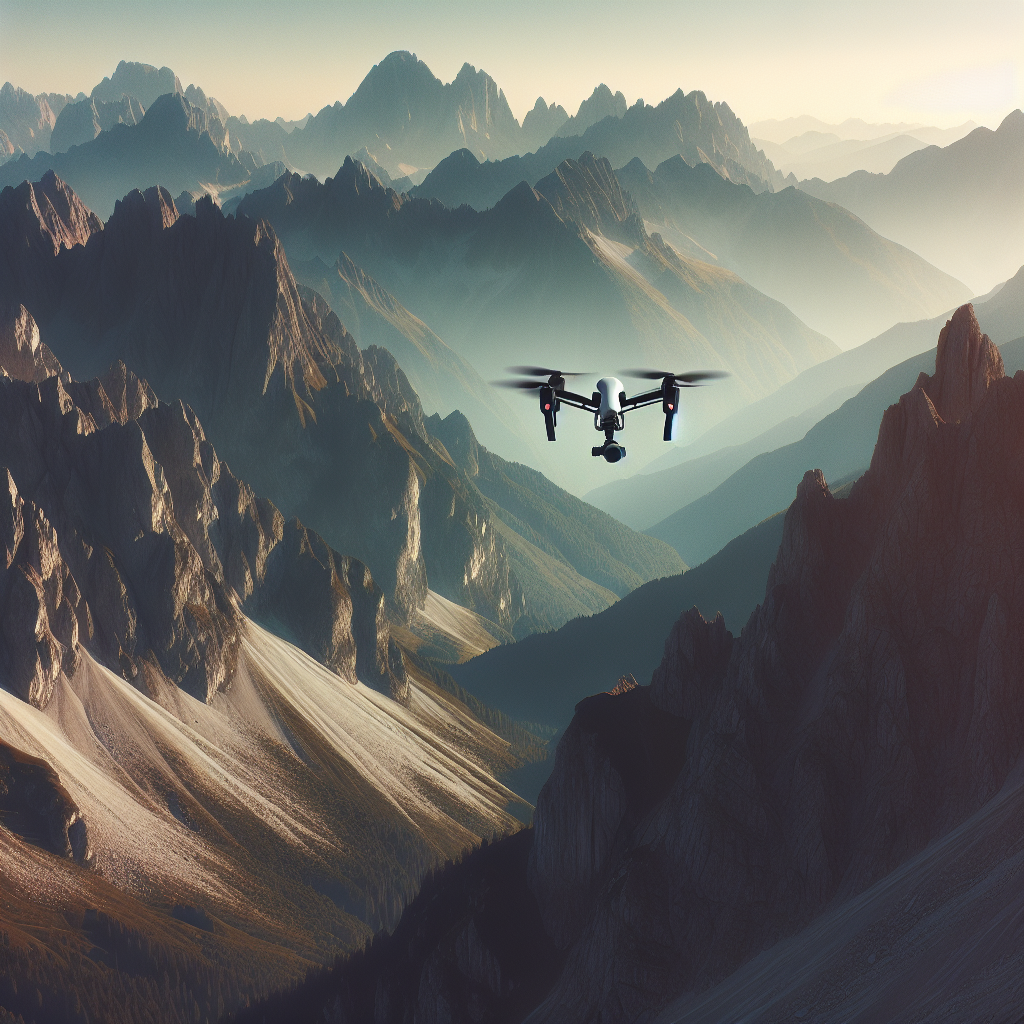
Drones have transformed the way we capture the world, offering stunning aerial perspectives that were once only available to those with access to helicopters. While flying drones in flat, open areas is relatively straightforward, mountainous terrain presents unique challenges that can test even the most experienced pilots. This guide will delve into the techniques and considerations necessary to master drone flying in mountainous regions, ensuring both safety and the capture of breathtaking footage.
Understanding the Challenges
Mountainous terrain presents a unique set of challenges for drone pilots. These include unpredictable weather conditions, variable elevation, and the risk of losing signal or crashing into obstacles. Understanding these challenges is the first step toward mastering drone flight in such environments.
Weather Conditions
Mountains can create their own weather patterns, leading to sudden changes in wind speed and direction. High altitudes can also result in thinner air, affecting drone lift and battery life. Pilots must be prepared for rapid weather shifts and have contingency plans in place.
Variable Elevation
Flying in mountainous terrain requires careful navigation of elevation changes. Drones must be able to ascend and descend safely while avoiding obstacles. This requires precise control and an understanding of the drone’s capabilities.
Signal Loss and Obstacle Avoidance
Mountains can interfere with GPS signals, leading to potential loss of control over the drone. Additionally, the presence of rocks, trees, and other natural features necessitates advanced obstacle avoidance skills.
Pre-Flight Preparations
Proper preparation is essential for successful drone flights in mountainous terrain. This includes planning the flight path, checking equipment, and understanding local regulations.
Flight Path Planning
Before heading into the mountains, plan your flight path carefully. Use topographic maps and satellite imagery to identify potential obstacles and safe landing zones. Consider the sun’s position for optimal lighting and plan for any areas with potential signal interference.
Equipment Check
Ensure that your drone is in excellent working condition. Check the battery levels, propellers, camera, and all sensors. It is advisable to carry spare batteries and propellers, given the remote nature of mountainous regions.
Understanding Regulations
Familiarize yourself with the local drone flying regulations. Some mountainous areas may be protected, and flying drones might be restricted or require special permissions. Compliance with regulations is critical to avoid fines and ensure the safety of wildlife and other people.
In-Flight Techniques
Once you are in the air, specific techniques will help you navigate the challenges of flying in mountainous terrain.
Wind Management
Pay close attention to wind conditions. Use the drone’s stabilization features to maintain steady flight, and avoid flying in high winds that exceed your drone’s capability. Always have an emergency landing spot in mind in case conditions worsen.
Altitude Control
Maintain awareness of your drone’s altitude relative to the terrain. Use your drone’s altitude hold function to navigate steep inclines or descents safely. When ascending or descending rapidly, do so gradually to prevent battery strain and maintain control.
Signal Management
Monitor your drone’s signal strength and be prepared to take manual control if the GPS signal is lost. Fly within visual line of sight as much as possible, and be ready to return the drone to home if necessary.
Capturing Stunning Footage
One of the primary goals of flying in mountainous terrain is capturing breathtaking footage. Here’s how to make the most of your drone’s camera capabilities.
Optimal Camera Settings
Adjust your camera settings to account for the lighting conditions. In bright, sunny conditions, reduce the ISO and increase the shutter speed to avoid overexposure. For dramatic landscapes, consider using filters to enhance contrast and detail.
Composition Techniques
Use the rule of thirds to frame your shots, ensuring that key elements are positioned at the intersections of the grid. Look for leading lines, such as ridges or rivers, to guide the viewer’s eye through the landscape.
Dynamic Shots
To add dynamism to your footage, incorporate a variety of shot types. Combine wide shots that capture the grandeur of the mountains with close-ups that highlight specific features. Experiment with panning shots to convey motion and scale.
Post-Flight Considerations
After landing your drone, there are several steps to ensure your data is secure and your equipment is ready for the next flight.
Data Management
Immediately back up your footage to multiple locations to prevent data loss. Use reliable storage solutions and consider cloud backups for additional security.
Equipment Maintenance
Inspect your drone for any signs of wear or damage, paying close attention to the propellers and motors. Clean the camera lens and sensors to maintain optimal performance.
Review and Reflect
Analyze your flight data and footage to identify areas for improvement. Reflect on what went well and what could be improved for future flights. This reflection will help you build your skills and confidence in flying in challenging environments.
Conclusion
Mastering drone flying in mountainous terrain requires a combination of preparation, skill, and adaptability. By understanding the unique challenges and employing the techniques outlined in this guide, you can safely navigate these environments and capture stunning aerial footage. Whether you are an experienced pilot or a beginner looking to explore new horizons, the mountains offer a rich tapestry of opportunities for breathtaking drone photography and videography.
#ChatGPT assisted in the creation of this article.
Share this content:



Post Comment